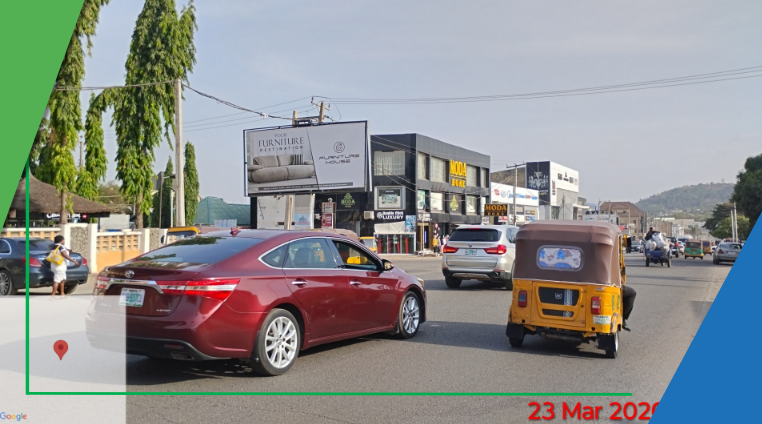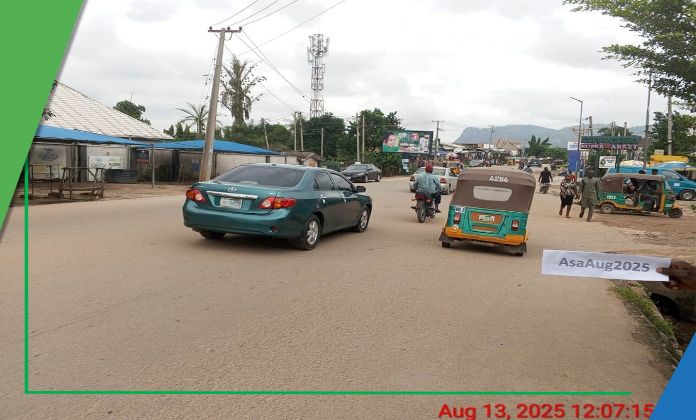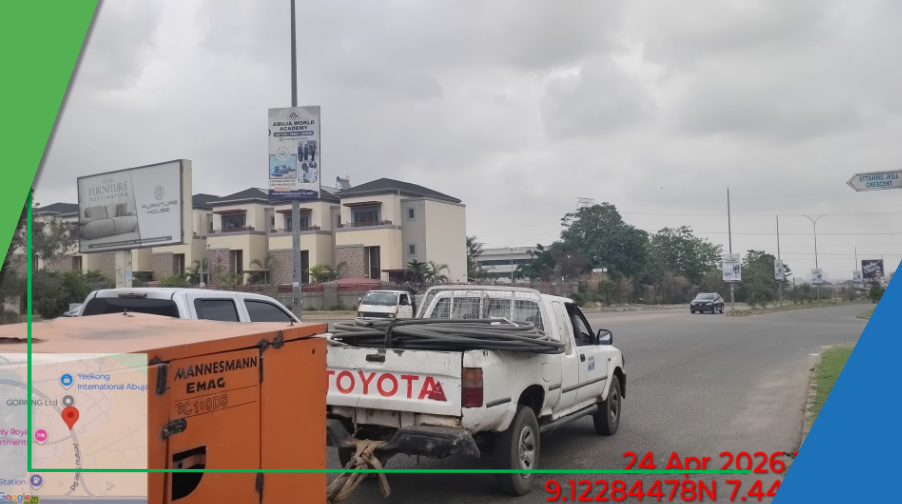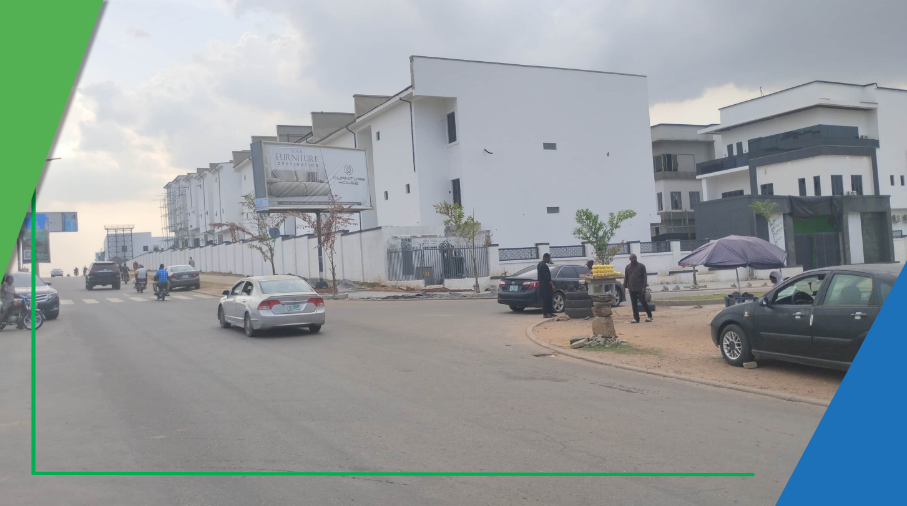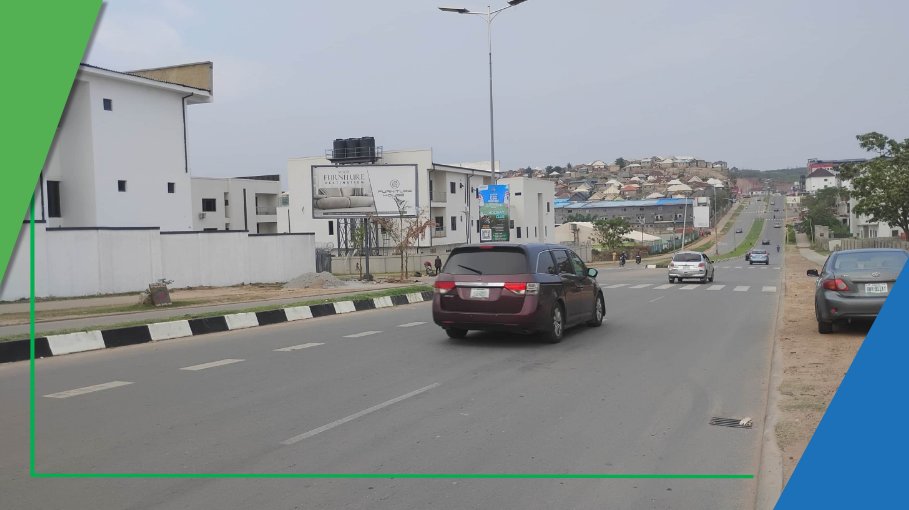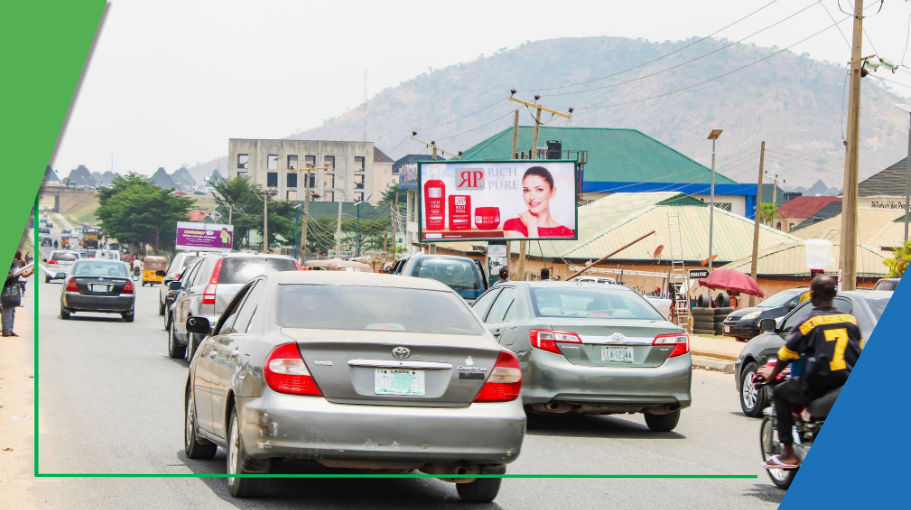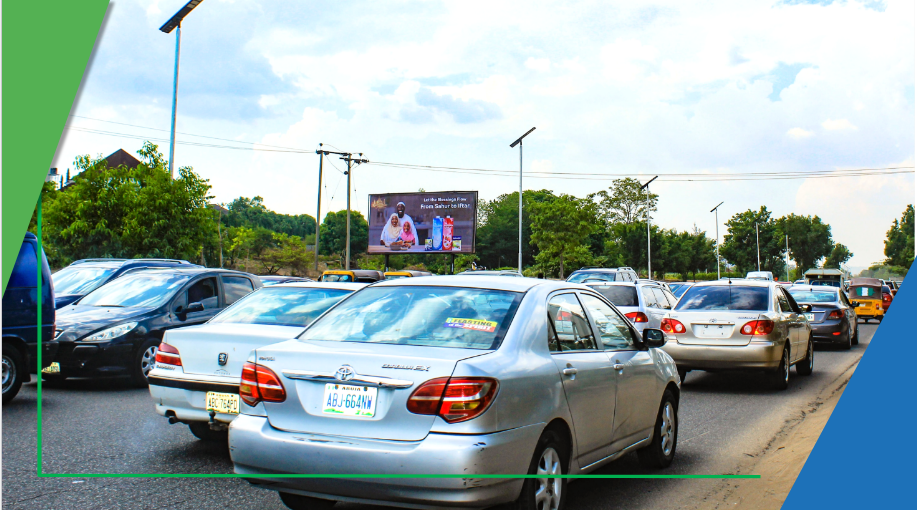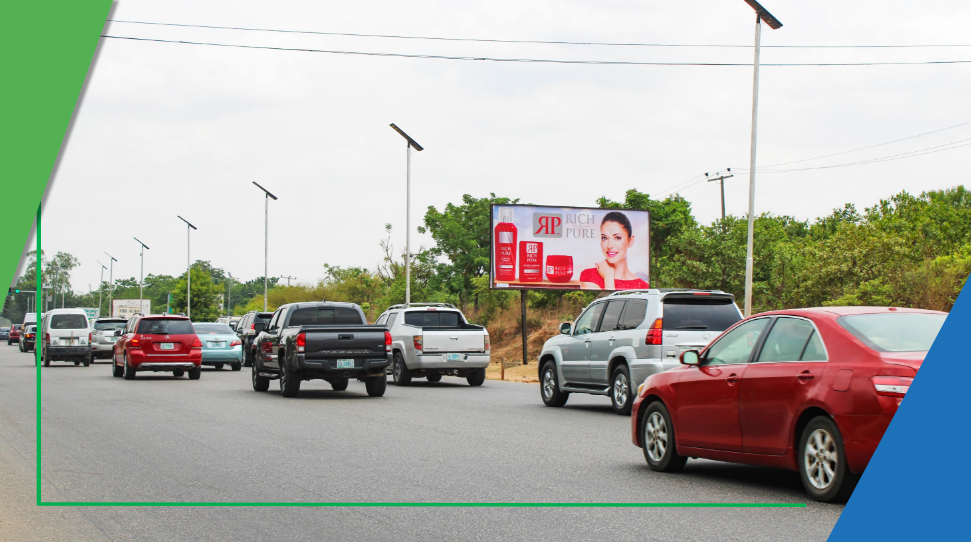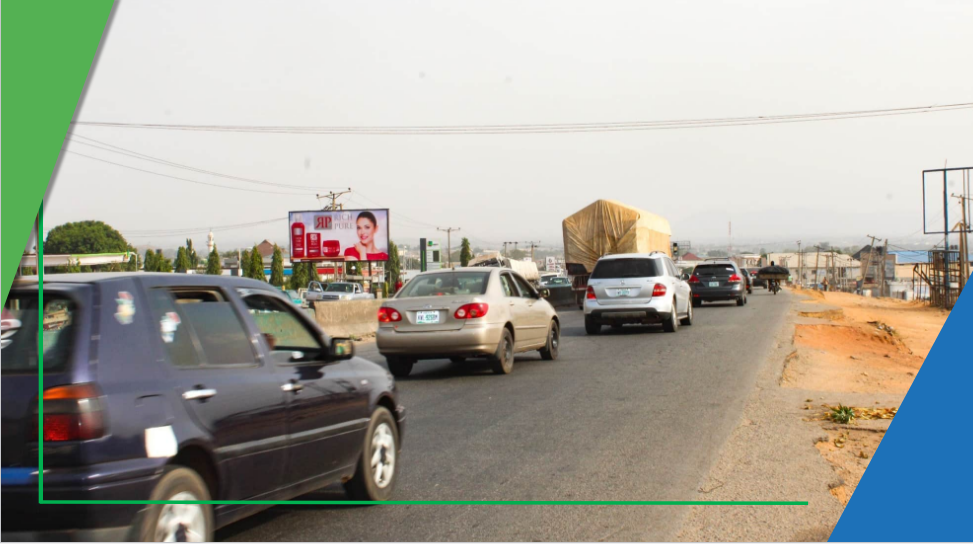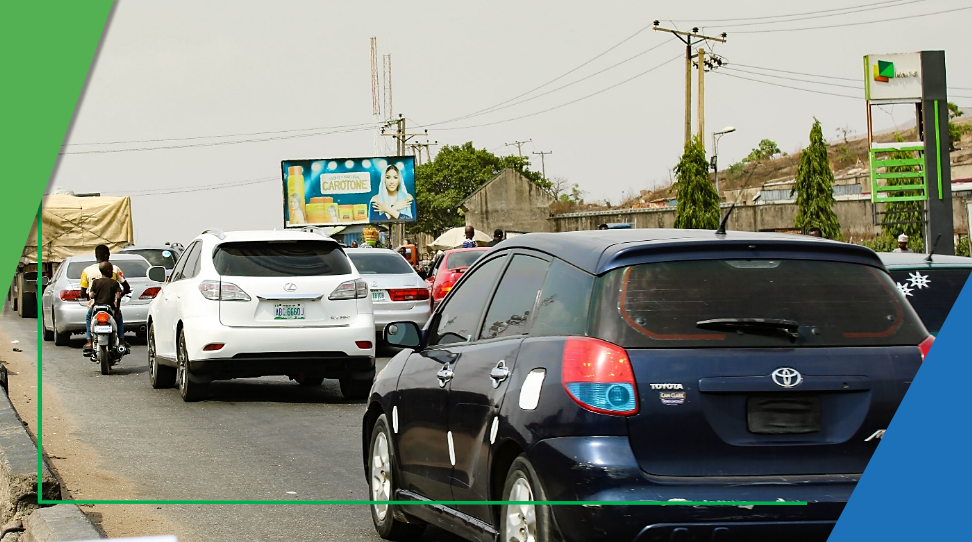


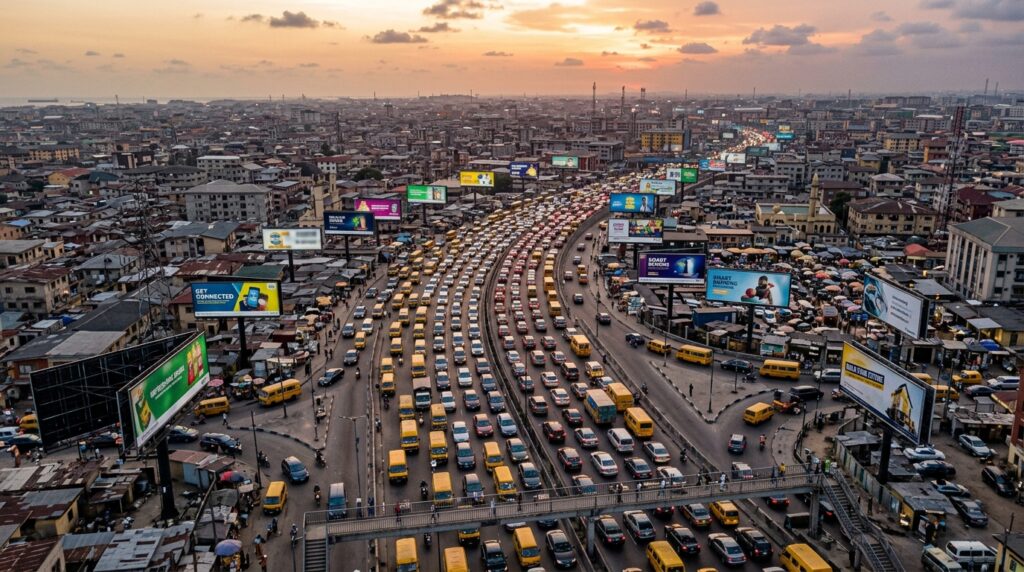
Here is the truth about most nationwide billboard campaigns in Nigeria: they are not actually nationwide. They are Lagos campaigns with a few boards scattered in Abuja and Port Harcourt to justify calling them national.
The result is a budget that looks spread across the country but is actually concentrated in one market, while every other city gets tokenised coverage that does not move a needle.
A real nationwide outdoor campaign is one of the most powerful brand-building tools available to a business in Nigeria. But it requires a completely different planning framework from a single-city campaign.
The audience behaves differently in Kano compared to Lagos. The traffic patterns in Enugu are not the same as those in Port Harcourt. What works on Lekki Expressway will not automatically work on Ahmadu Bello Way in Abuja.
This guide walks you through exactly how to plan a multi-city billboard campaign in Nigeria that actually works in every market it enters. You will learn how to allocate budget across cities, how to choose the right locations in each market, how to manage timelines, and how to measure results when your boards are in six cities at once.
Start with a Realistic Definition of Nationwide
Before any location gets selected or any budget gets split, you need to define what nationwide actually means for your brand. This question sounds obvious, but most campaign failures start here.
Nigeria has 36 states, but your target customers do not live equally across all of them. A premium banking product is not targeting every city in the country. An FMCG brand selling daily consumables at mass-market price points has a much wider geographic mandate.
How to Define Your Coverage Cities
Start by asking three questions about each city you are considering:
- Is our product or service actually available and distributed in this city?
- Do we have sales data or market intelligence showing demand here?
- Is there a realistic path to conversion for a customer who sees our billboard?
If the answer to any of those three is no, that city is not yet a campaign city.
Billboards build awareness and reinforce presence. They cannot create distribution or fix a supply chain. Your campaign should cover cities where outdoor advertising can actually influence a purchase decision.
How to Allocate Budget Across Multiple Cities
Budget allocation is where most nationwide campaigns go wrong. The instinct is to split the budget equally across cities. This rarely produces the best results. Cities are not equal in cost, in traffic, or in strategic value to your brand.
The Tiered City Framework
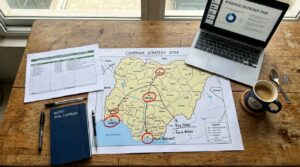
A more effective approach is to organise your cities into tiers based on strategic importance and allocate proportionally.
- Tier 1 cities (Lagos, Abuja, Port Harcourt): Highest population density, highest billboard costs, and typically the highest commercial value for most brands. Allocate roughly 60 to 70 percent of your national outdoor budget here. Read the guide to billboard costs in Lagos to understand what your budget will actually buy.
- Tier 2 cities (Ibadan, Kano, Enugu, Benin City): Significant commercial markets with lower billboard costs per impression. Strong value for brands targeting middle-Nigeria consumers. Typically 20 to 30 percent of budget.
- Tier 3 cities (Kaduna, Ilorin, Abeokuta, others): Specific strategic importance for certain brand categories. Lower cost, lower competition, and often surprisingly strong brand recall. The remainder of budget.
Choosing the Right Billboard Locations in Each City
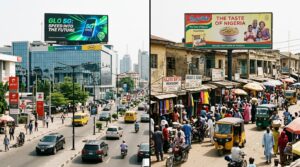
The biggest mistake in multi-city campaigns is applying Lagos location logic to every city. It does not work. Each market has its own commercial corridors, its own traffic patterns, and its own audience concentration points.
How Location Selection Differs by City
- Lagos: Volume of traffic is rarely the constraint. Location specificity matters more. A board on the right side of Ozumba Mbadiwe will outperform a board in the wrong part of Lekki Expressway. Use the guide to the best billboard locations in Lagos to shortlist the right corridors for your audience.
- Abuja: Planned layout means certain roads carry disproportionately high audiences. The best billboard locations in Abuja are concentrated around the major expressways, government zones, and commercial districts.
- Kano, Enugu, Ibadan: Each city has specific commercial axes where foot traffic and vehicle density make outdoor advertising especially effective. Focus on market corridors, university routes, and major commercial roads.
Managing a Multi-City Campaign: Timelines and Logistics
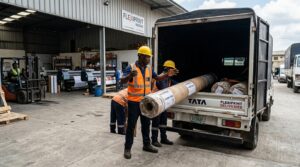
Running billboards in six cities simultaneously is an operational challenge that many brands underestimate. Creative production, printing, ARCON vetting, local permits, and installation all need to happen in parallel across markets that may have different regulatory requirements and different lead times.
A Realistic National Campaign Timeline
- Weeks 1 to 2: Location selection and site confirmation across all cities.
- Weeks 3 to 4: Creative finalisation. Brief must account for different site dimensions across cities.
- Week 5: ARCON vetting submission. Allow at least two weeks for approval.
- Weeks 6 to 7: Local permit applications for LASAA (Lagos), FCDA (Abuja), and equivalent agencies.
- Week 8: Print production and logistics for all cities.
- Week 9: Installation and confirmation across all sites.
- Week 10 onward: Campaign live, and monitoring begins.
Most brands new to multi-city campaigns compress this timeline and pay for it later. ARCON delays are real. Permit timelines vary by state. Printing logistics for multiple dimensions across six cities takes longer than expected.
How to Measure a Nationwide Billboard Campaign
Measurement is harder in outdoor environments than in digital environments, but it is not impossible. For a multi-city campaign, you need a measurement approach that captures performance at the city level, not just nationally.
Practical Measurement Methods
- City-level sales tracking: If you have distribution data by city, compare sales velocity before, during, and after the campaign period in each market. Cities where your boards ran should show a measurable lift if locations were well chosen.
- Branded search tracking: Monitor Google Search Console for branded query volume by region. Billboard campaigns consistently drive spikes in search in cities where boards are running.
- City-specific campaign codes: Use unique phone numbers, QR codes, or URL parameters per city on your creative. This is the most direct way to attribute a response to a specific market.
- Consumer surveys: Brand recall surveys in campaign cities versus control cities can show the awareness lift your outdoor campaign generated.
Frequently Asked Questions
How much does a nationwide billboard campaign in Nigeria cost?
This depends heavily on your city tier selection, the number of sites, and campaign duration. As a rough guide, a credible multi-city campaign covering Lagos, Abuja, Port Harcourt, and two or three secondary cities for 30 days typically ranges from N10 million to N50 million, depending on site quality and coverage. Use the individual city cost guides for Lagos, Abuja, and Port Harcourt to model your specific budget.
How many cities should a nationwide Nigerian billboard campaign cover?
There is no universal answer. A well-executed campaign across four or five cities will almost always outperform a thin campaign spread across twelve. Start with your Tier 1 cities, confirm budget covers meaningful presence in each, and then add secondary markets if budget allows.
Does a billboard campaign in Lagos affect brand awareness in other Nigerian cities?
Some spillover exists through social media sharing and word of mouth, but it is not reliable enough to substitute for physical presence. If your target audience is in Enugu, a Lagos campaign alone will not build meaningful brand recall there.