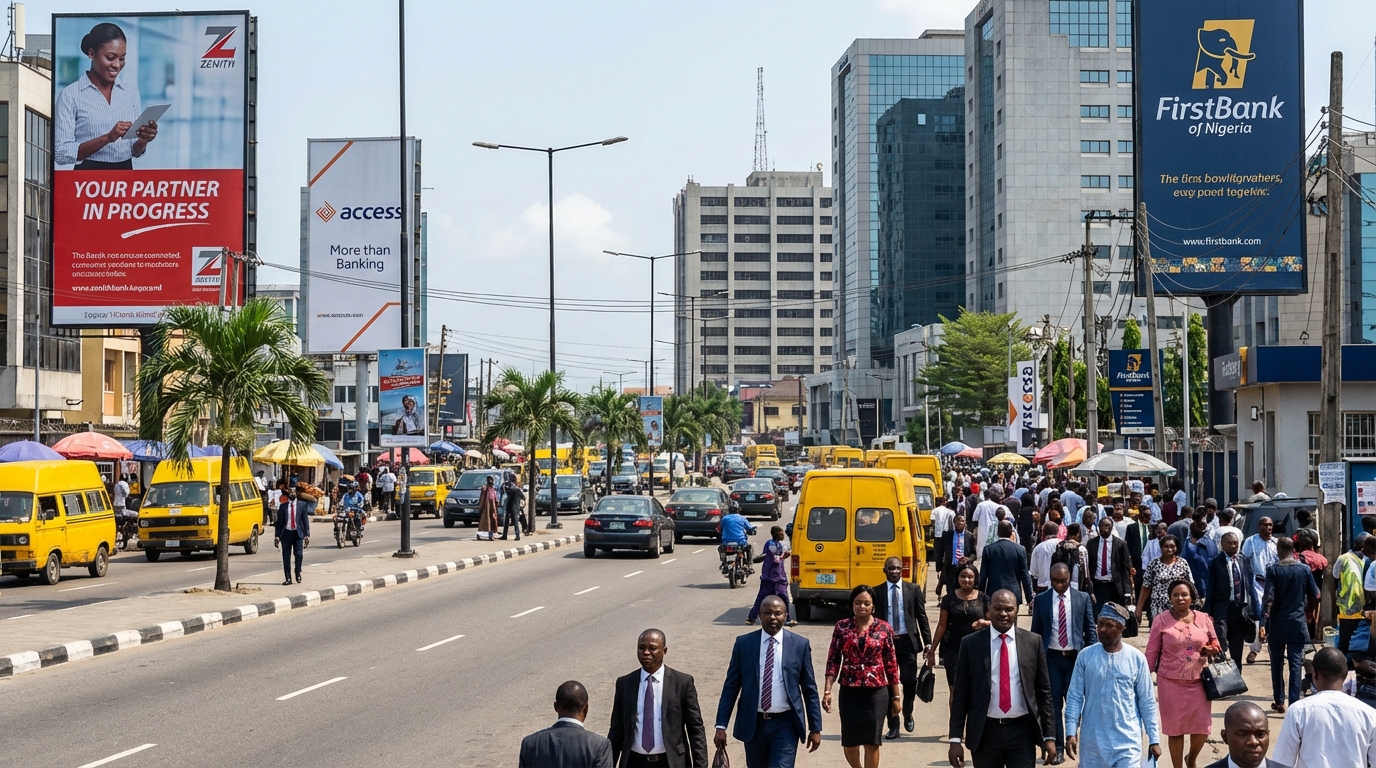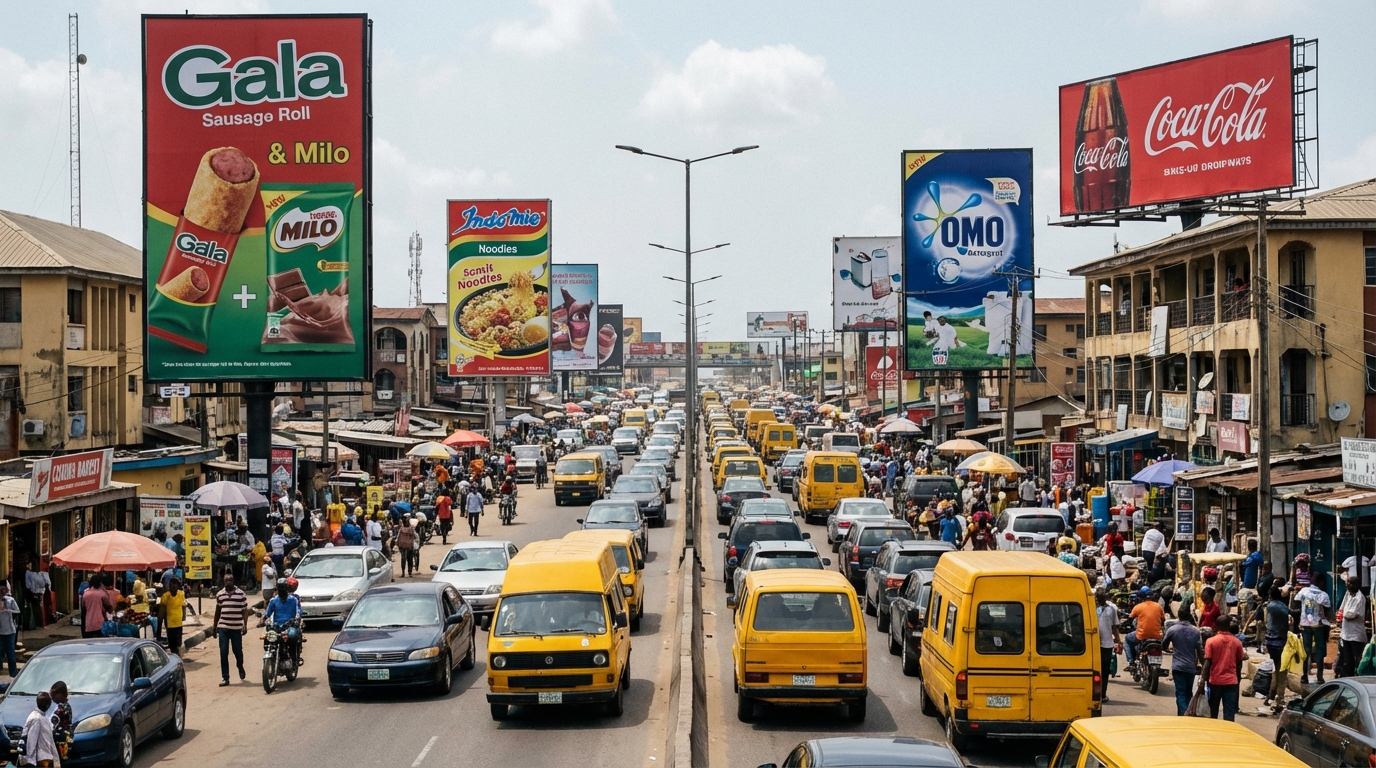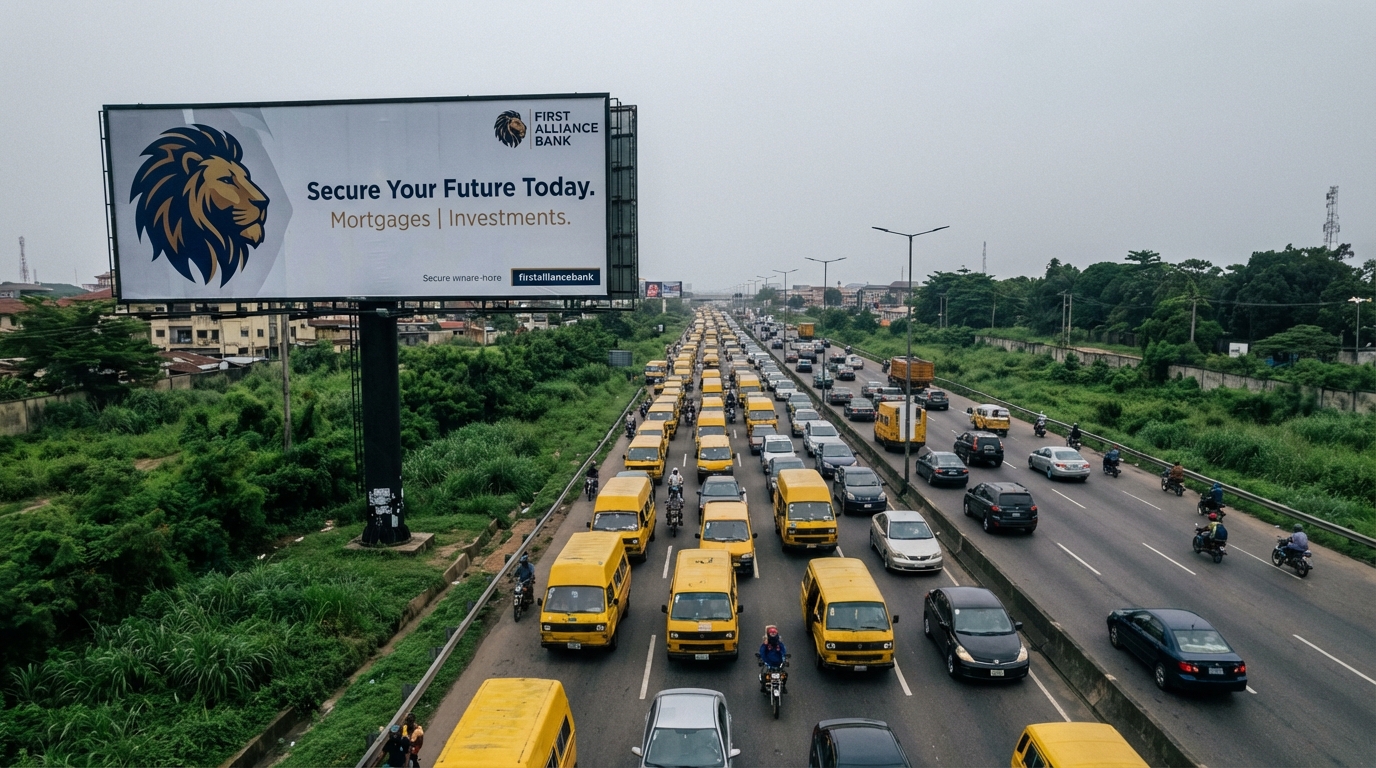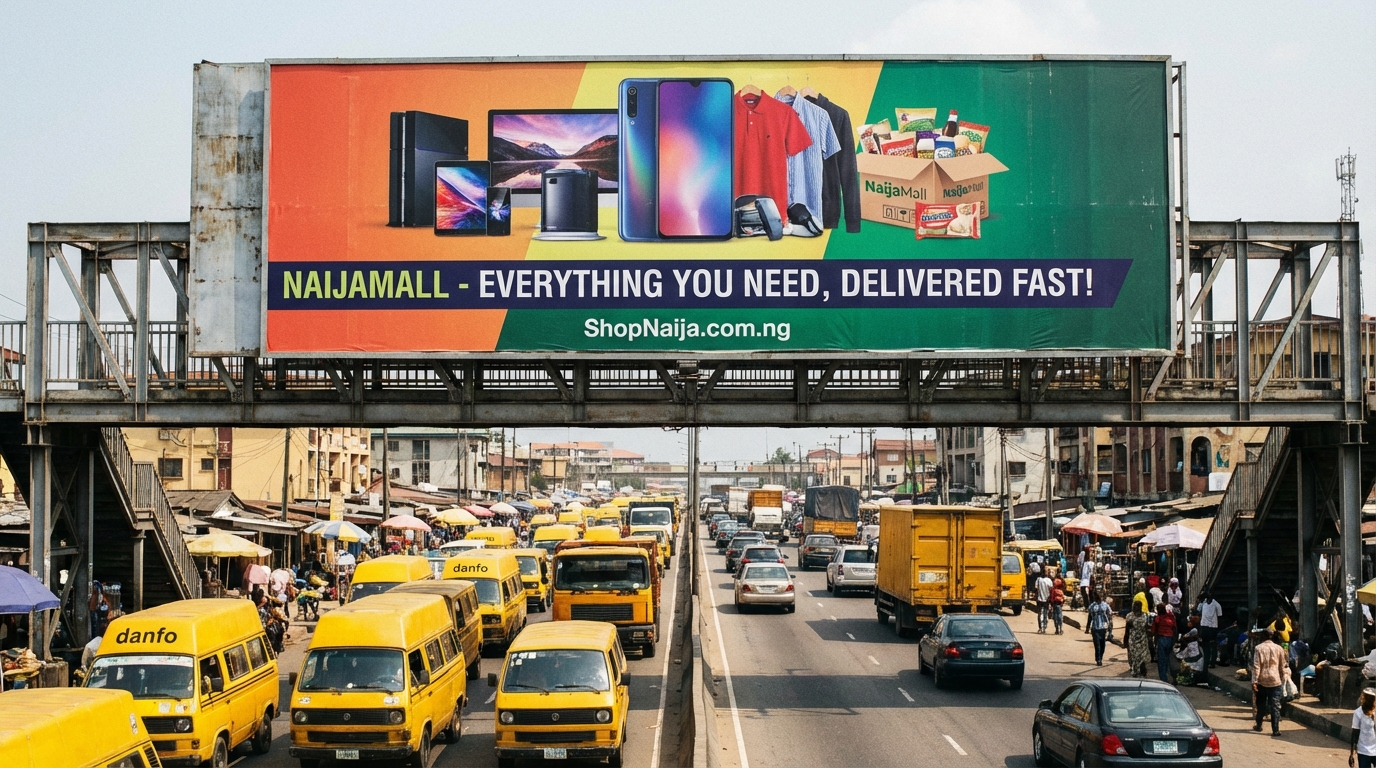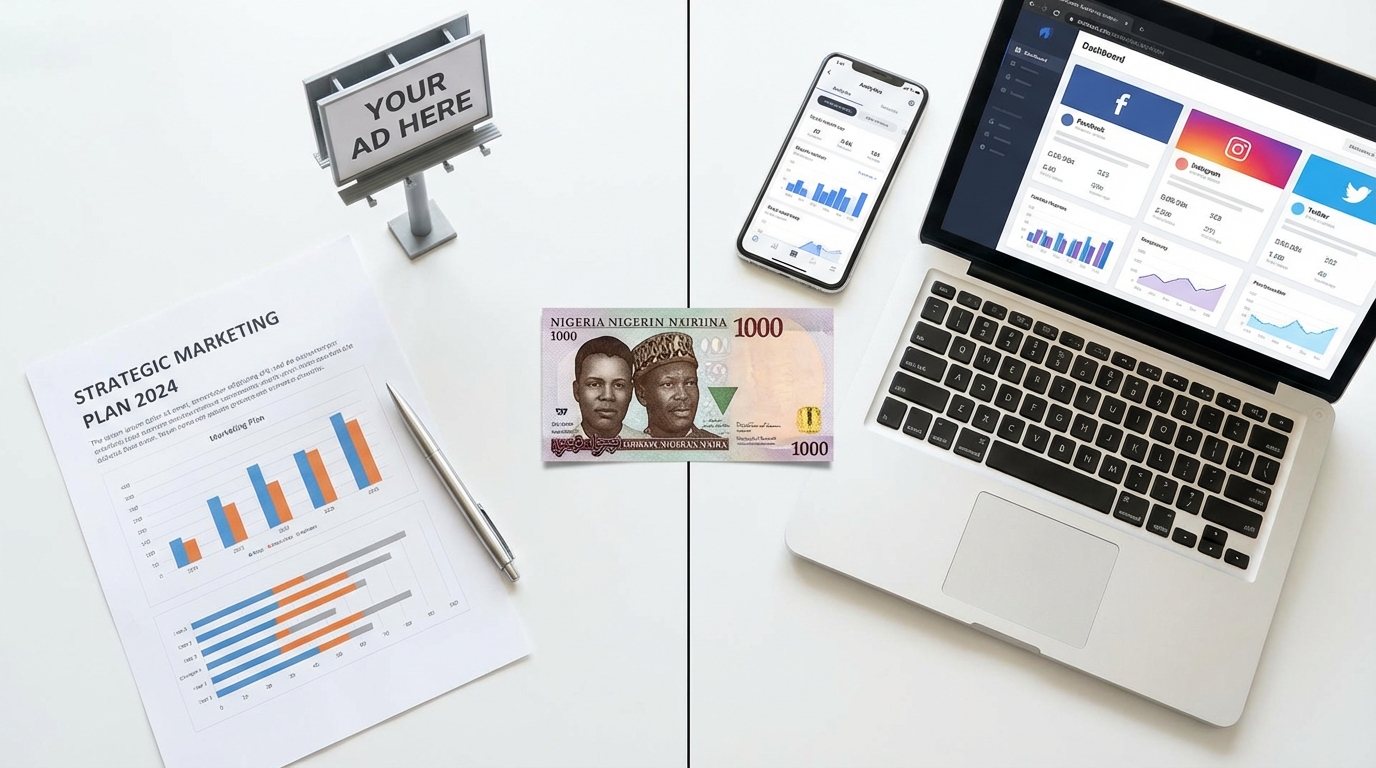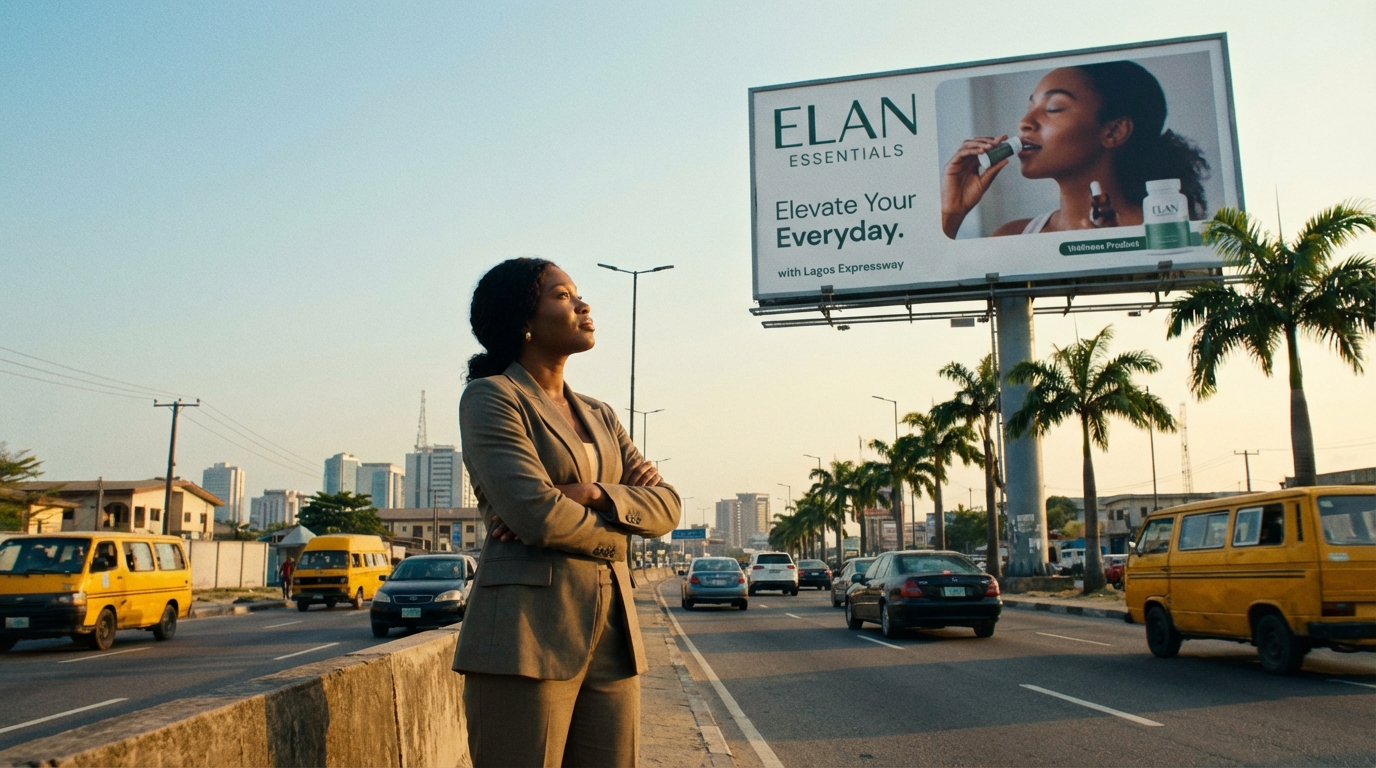

You’ve seen competitors plastered across the Lekki-Epe Expressway and wondered how they got there. Or maybe you’ve budgeted for a billboard campaign but have no idea where to begin, who to call, what to pay, or whether you even need government approval.
You’re not alone. Placing ads on a billboard in Nigeria is not as complicated as it seems, but only if you know the process. Most brands waste money, time, and mental energy because they go in blind. This guide fixes that.
Why Billboard Advertising Still Works in Nigeria
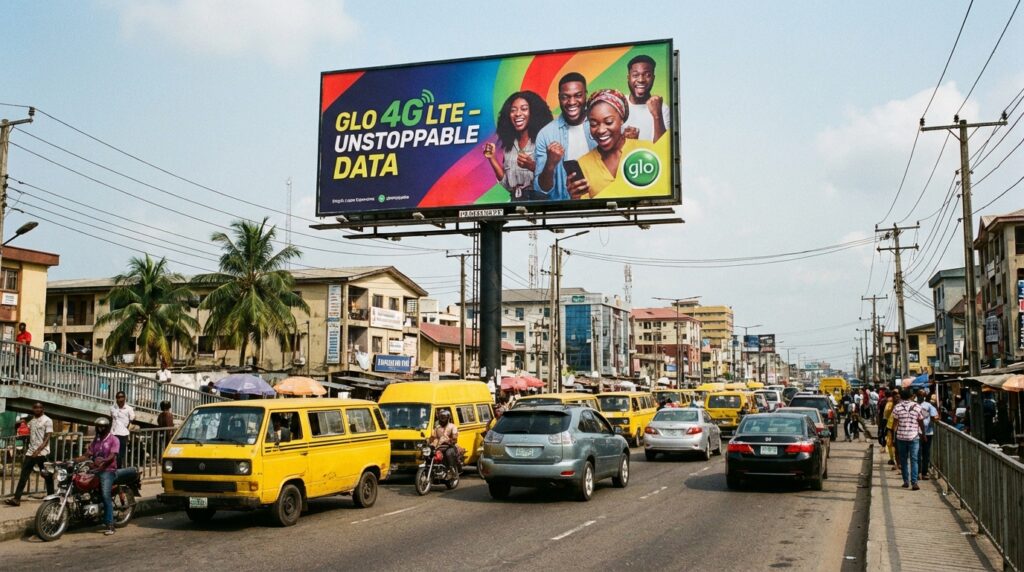
Nigeria has over 220 million people. Its roads are busy, its cities are dense, and its commuters spend significant time in traffic, especially in Lagos, Abuja, Port Harcourt, and Kano.
That traffic is attention. And attention is what billboard advertising sells.
Unlike digital ads, which users scroll past or block, a well-placed billboard cannot be ignored. It sits at a junction, on a bridge, at a flyover, and it works 24 hours a day.
For brands building visibility, trust, or recall, OOH advertising in Nigeria remains one of the highest-impact media formats available.
It’s why both multinationals and growing SMEs continue to invest in outdoor advertising year after year.
What to Know Before You Book a Billboard
Before you start calling billboard vendors, there are three things you need to get clear on. Skipping this step is why many campaigns underperform.
Choose Your Campaign Goal
Your goal determines everything, where you advertise, how long you run the campaign, and what your creative looks like.
Common billboard campaign goals in Nigeria include:
- Brand awareness: Letting people know you exist
- Product launches: Announcing something new to a wide audience
- Event promotion: Driving footfall or ticket sales
- Location visibility: Telling people where to find your store or office
- Political campaigns: Reaching voters across constituencies
Be specific. “I want people to know my brand” is not a goal. “I want 500,000 impressions across Abuja’s Central Business District in 30 days” is a goal.
Define Your Target Audience and Location
Nigeria’s outdoor advertising landscape is hyper-local. A billboard on Admiralty Way in Lekki reaches a very different audience than one on Ahmadu Bello Way in Kaduna.
Ask yourself:
- Where does my customer live, work, or commute?
- Which cities or states am I targeting?
- Is this a national campaign or a regional push?
The more precisely you define your audience, the better you’ll be able to match them to the right billboard location.
Understand Billboard Formats
Not all billboards are the same. In Nigeria, you’ll encounter several formats:
| Format | Description | Best For |
| 48-Sheet Static | Large printed billboard, most common | Mass awareness, product campaigns |
| LED/Digital Billboard | Electronic display, rotates multiple ads | Premium brands, time-sensitive ads |
| Unipole | Tall single-pole structure, roadside | Highway visibility, long-distance reach |
| Gantry | Spans across a road | High-traffic areas, expressways |
| Rooftop Billboard | Mounted on buildings | Urban density, city centres |
Each format has different pricing, dwell time, and audience impact. Choose based on your goal and budget, not just what looks impressive.
Step-by-Step: How to Place Ads on a Billboard in Nigeria
Here is the exact process, from discovery to going live.
Step 1: Find Available Billboards in Your Target Area
This is where most advertisers struggle first. Nigeria’s OOH market is fragmented. Hundreds of billboard owners operate independently, and there is no single, centralised directory that shows you what’s available, where, and at what price.
Your options for finding billboards include:
- Contacting media buyers or OOH agencies who have existing relationships with vendors
- Reaching out directly to companies like Oxbillboards, Outdoors.ng, Alternativeadverts, or local operators in your target city
- Using structured OOH platforms like Oxbillboards, which aggregate verified billboard listings nationally, so you can search by city, road, format, and availability without making dozens of calls
When evaluating a billboard location, look at:
- Traffic count: How many vehicles or pedestrians pass daily?
- Visibility angle: Can drivers see the board from a reasonable distance?
- Competition clutter: Are there too many billboards at the same spot?
- Demographics: Does the surrounding area match your audience?
Step 2: Verify the Billboard’s Status and Ownership
This step is often skipped, and it causes real problems. In Nigeria, not every billboard structure you see on the road is legally approved or currently operational for third-party advertising.
Before committing, verify:
- Who owns the billboard? The structure owner and the advertising space manager are sometimes different parties.
- Is the billboard ARCON-approved? (More on this below.)
- Is the face currently available? Some billboards look empty but are in the middle of a contract.
- What is the physical condition of the board? Inspect for damage, lighting failures (for lit boards), or obstruction by trees and buildings.
Working with verified listings through structured OOH platforms reduces this risk significantly.
Step 3: Get a Quote and Negotiate
Billboard pricing in Nigeria is rarely published openly. Most vendors quote based on who’s asking. This puts advertisers, especially first-timers, at a disadvantage.
When requesting a quote, ask for:
- Rate per month (most Nigerian billboards are sold in 30-day cycles)
- Production cost – printing and mounting the digital content
- Whether ARCON sticker fees are included or billed separately
- Discounts for longer campaigns – 3-month or 6-month bookings often come with better rates
Have a budget range before you negotiate. It sharpens the conversation.
Step 4: Confirm ARCON Approval
ARCON – the Advertising Regulatory Council of Nigeria, is the federal body that regulates all advertising in Nigeria, including outdoor advertising. Any billboard that carries an ad must have an ARCON sticker for that specific campaign.
What this means for you as an advertiser:
- Your vendor should handle the ARCON process (in most cases, they do)
- The ARCON sticker is campaign-specific; it covers you for the duration and location of that particular campaign
- Running an ad on an unapproved billboard exposes you to fines and forced takedowns
Ask your vendor directly: “Is ARCON approval included in this campaign?” If they hesitate, that is a red flag.
Some states, especially Lagos, also require local government approvals from bodies like LASAA (Lagos State Signage and Advertisement Agency). Factor this into your timeline.
Step 5: Submit Your Artwork
Once contracts are signed, you’ll need to supply your billboard creative. Most Nigerian outdoor vendors require:
- File format: High-resolution PDF or AI (Adobe Illustrator)
- Resolution: 300 DPI at actual size, or as specified by the vendor
- Colour mode: CMYK (not RGB) for print
- Safe zone: Keep key visuals and text away from the edges, typically a 5–10% margin
Billboard design best practices:
- Use no more than 7 words of copy
- Make your logo large and clear
- Use high-contrast colours; light background with dark text, or vice versa
- Include one clear call to action: a phone number, website, or address
Step 6: Confirm Installation and Go Live
Before your campaign officially launches, request:
- Installation confirmation from your vendor
- Photo proof of your ad mounted on the board
- Date of installation, so you can track the full campaign duration
Do a physical inspection of the billboard in your city. This is not paranoia; installation errors and delays are common in Nigeria’s OOH market. Monitoring your placement ensures you get every day you’ve paid for.
How Much Does Billboard Advertising Cost in Nigeria?
Pricing varies significantly by location, format, and vendor. Here are general reference ranges:
| Location | Billboard Type | Approximate Monthly Rate |
| Lagos (Lekki, VI, Ikoyi) | 48-Sheet Static | ₦500,000 – ₦2,000,000+ |
| Lagos (LED/Digital) | Digital Display | ₦1,500,000 – ₦5,000,000+ |
| Abuja (CBD, Airport Road) | 48-Sheet Static | ₦400,000 – ₦1,500,000 |
| Port Harcourt | 48-Sheet Static | ₦200,000 – ₦800,000 |
| Kano / Ibadan | 48-Sheet Static | ₦150,000 – ₦600,000 |
These are indicative ranges only. Actual rates depend on the specific board, vendor, and current demand.
Production (printing and mounting) typically adds ₦80,000 – ₦300,000 depending on board size and number of locations. ARCON and local permits may add additional costs.
What Most Brands Get Wrong About Billboard Advertising
After understanding the process, it’s worth knowing the mistakes that consistently derail Nigerian billboard campaigns.
Choosing location based on price, not strategy
A cheaper billboard in a low-traffic area delivers fewer impressions than a higher-cost board at a major junction. Always calculate cost-per-thousand (CPM) before deciding.
Running for too short a period
Outdoor advertising works through repetition. A two-week campaign rarely builds enough recall. Four weeks is a minimum; eight to twelve weeks is ideal for awareness campaigns.
Neglecting creative quality
A poorly designed billboard wastes your media spend. If your artwork is cluttered, low-contrast, or text-heavy, it will be ignored at 60 km/h.
Not verifying legal compliance
Brands sometimes take a vendor’s word that everything is approved, only to discover their billboard is taken down mid-campaign. Always request documentation.
Running only in one city
If your market is national, your media plan should be too. A Lagos-only campaign misses millions of potential customers in Abuja, Enugu, Ibadan, and beyond.
LED vs Static Billboards: Which Should You Choose?
| Factor | LED/Digital | Static |
| Cost | Higher | Lower |
| Flexibility | Change artwork anytime | Fixed for campaign duration |
| Visibility (night) | Excellent (self-lit) | Requires additional lighting |
| Multiple ads | Yes (rotating slots) | No (one advertiser at a time) |
| Best for | Premium brands, event promotions, time-sensitive messaging | Long-term brand awareness, sustained campaigns |
LED billboards in Nigeria are concentrated in high-density urban centres, particularly in Lagos and Abuja. If you’re a challenger brand building long-term visibility, static billboards often deliver better value per naira. If you need flexibility or prestige positioning, digital is worth the premium.
Frequently Asked Questions (FAQ)
Do I need ARCON approval to advertise on a billboard in Nigeria?
Yes. Every outdoor advertisement in Nigeria must be covered by an ARCON sticker.
How long does it take to set up a billboard campaign in Nigeria?
From signing a contract to going live, the typical timeline is 7–14 days. This includes production, printing, ARCON processing, and installation. For LED billboards, turnaround is faster, sometimes 3–5 days.
Can small businesses advertise on billboards in Nigeria?
Absolutely. Not all billboards are priced for multinationals. In secondary cities like Ibadan, Benin City, or Enugu, monthly rates can be accessible for growing SMEs, especially when buying a single board for a 2–3 month run.
What file format do I need for my billboard artwork?
Most vendors accept high-resolution PDF or Adobe Illustrator (.AI) files in CMYK colour mode. Always confirm specs with your vendor before designing.
How do I know if a billboard location is performing well?
Ask your vendor for the traffic count (vehicles per day) for that road. You can also use your own data, track website visits, call volumes, or footfall spikes in the weeks your campaign runs to estimate impact.
Is billboard advertising more effective than digital advertising in Nigeria?
They serve different purposes. Digital ads offer precise targeting and measurable clicks. Billboards offer mass reach, trust-building, and geographic dominance. The strongest campaigns in Nigeria typically use both together.
Conclusion
Placing ads on a billboard in Nigeria is a structured process. It starts with clarity on your goal and audience, moves through finding and verifying the right locations, navigating ARCON approvals, and ends with installation confirmation and performance monitoring.
The brands that win with outdoor advertising in Nigeria are not necessarily those with the biggest budgets. They’re the ones that plan strategically, verify before they sign, and treat OOH as a media channel that deserves as much rigour as any other.
If you’re ready to plan your next billboard campaign, start by exploring verified, available billboard locations across Nigeria, so you can compare options, understand pricing, and make decisions with full information rather than partial guesses.
Smart OOH planning starts with the right data. Oxbillboards exists to give you exactly that.