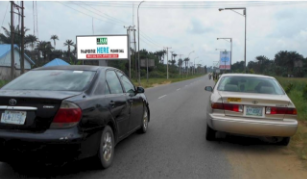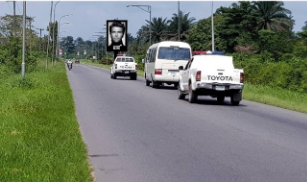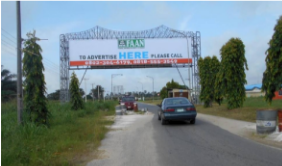


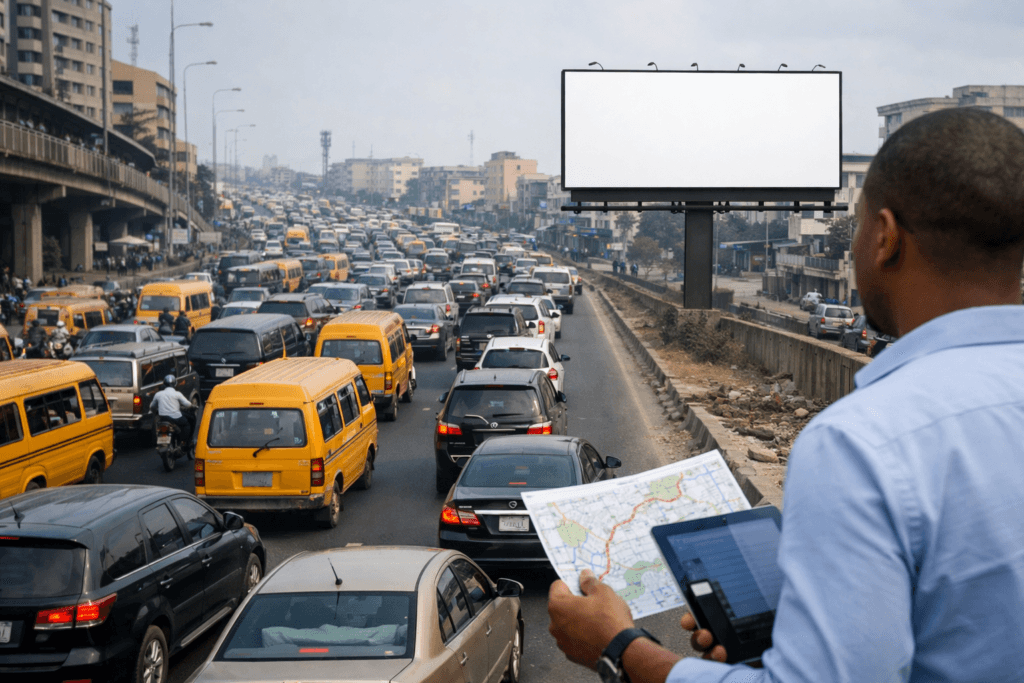
A billboard placed on the wrong road is just an expensive decoration. It may look impressive, but if the right people are not passing that route daily, it will not deliver results.
In Nigeria, traffic is not just movement. It is routine. Millions of people follow the same roads every morning and evening, whether from Lekki to Victoria Island, Ikeja to Maryland, or residential areas to business districts. These repeated routes create predictable exposure patterns.
This guide will show you how to use that reality to your advantage. You will learn how to identify commuter routes, understand how traffic behavior affects billboard performance, and strategically place your boards where daily movement works in your favor.
What Are Commuter Routes in Nigeria?
Commuter routes are the backbone of effective billboard advertising in Nigeria. Before choosing a billboard location, it is important to understand what these routes are and why they matter for consistent exposure.
Definition of Commuter Routes
Commuter routes are the roads people use every day to move between home and their main destinations. This usually includes work, school, markets, and business areas.
In Nigeria, most cities follow clear daily movement patterns. People leave residential areas in the morning, travel toward commercial hubs, and return in the evening. These morning and evening flows create predictable traffic cycles that repeat almost every weekday.
Why Commuter Routes Matter in Billboard Advertising
Commuter routes are powerful in billboard advertising because they create repetition.
- Repeated exposure: When people pass the same billboard five days a week, the message stays in their mind longer.
- Predictable traffic behavior: Daily routines mean you can estimate who is likely to see your ad and how often.
- Higher recall compared to one-time reach: A board seen once on a random road has a limited impact. A board seen daily on a commuter route builds familiarity and trust over time.
This is why traffic matters in outdoor advertising. It is not just about how many cars pass. It is about how often the same people pass.
Understanding Commuter Behavior in Major Nigerian Cities
Traffic behavior differs across Nigerian cities, and understanding these differences helps you target commuter routes more accurately.
Lagos Traffic Patterns
Lagos has some of the strongest commuter flows in Nigeria. Movement between the Island and Mainland happens every day at scale.
Routes connecting Lekki, Victoria Island, and Ikeja experience steady daily traffic. Many professionals and business owners use these corridors consistently, especially during peak hours.
Congestion plays a major role. Slow-moving traffic increases dwell time, meaning drivers and passengers have more time to see and absorb billboard messages. This is one reason billboard advertising in Lagos remains effective.
Abuja and Other Urban Centers
Abuja has a more structured road network compared to Lagos. Movement often centers around business districts and government hubs.
Because of this clustering, certain routes become predictable commuter channels. While traffic may not be as dense as Lagos, exposure still builds through repeated daily movement.
Secondary Cities
In smaller cities, there are usually fewer major routes. This can actually work in favor of advertisers.
With limited main roads, traffic becomes concentrated. A billboard placed on a key route can reach a large portion of daily commuters because there are fewer alternative paths.
Understanding how people move in each city helps businesses target the right roads instead of placing billboards randomly.
Why Targeting Commuter Routes Improves Billboard Effectiveness
Placing a billboard on a commuter route is not just about traffic volume. It is about consistent exposure to the same audience over time. When you target daily movement patterns, your message stops being random and starts becoming familiar.
- Higher daily impressions: Commuter routes carry steady traffic every weekday. This means your billboard is seen repeatedly by a large number of people.
- Longer viewing time during congestion: In cities like Lagos, slow traffic gives drivers and passengers more time to look ahead. That extra viewing time increases message absorption.
- Repeated exposure builds recall: Seeing the same board daily creates familiarity. Over time, the brand becomes recognizable even without conscious effort.
- Stronger cost-per-impression efficiency: When the same audience sees your board multiple times without extra cost, the value per impression improves naturally.
Targeting commuter routes answers a key question many businesses ask: How do I get better results from billboard advertising? The answer is consistency, not just visibility.
How to Identify High-Value Commuter Routes
Not every busy road qualifies as a high-value commuter route. The goal is to find roads that combine strong traffic, the right audience, and good viewing conditions.
Study Traffic Volume and Flow
Start by observing how vehicles move throughout the day.
- Peak hours: Identify morning and evening rush periods. These are often the most consistent exposure windows.
- Vehicle density: Roads with high car concentration increase daily impressions.
- Stop-and-go zones: Areas where traffic slows or pauses create longer viewing opportunities.
A road that moves slowly during peak hours often performs better than a fast-moving highway with the same traffic count.
Analyze Audience Movement
Understanding who is on the road is just as important as knowing how many people are there.
- Residential to commercial flow: Routes connecting housing areas to business districts carry working professionals daily.
- Office clusters: Roads near major office hubs offer repeated exposure to a defined audience.
- School and market routes: Certain roads attract families, traders, and local business traffic.
The closer the route matches your target audience, the stronger your campaign performance.
Evaluate Viewing Conditions
Traffic alone is not enough. The billboard must be clearly visible.
- Board angle: The board should face oncoming traffic directly.
- Obstructions: Trees, buildings, or other structures should not block the view.
- Traffic direction: A board positioned against the main flow of vehicles loses effectiveness.
When traffic volume, audience movement, and clear visibility align, you have identified a high-value commuter route.
Matching Billboard Formats to Commuter Routes
Choosing the right road is only half the strategy. The billboard format must also match how people move on that route. Different traffic conditions favor different billboard formats in Nigeria.
Static Billboards for Congested Roads
Static billboards perform best where traffic slows down consistently.
- Long exposure: In heavy congestion, drivers and passengers have enough time to read and absorb the message fully.
- Strong brand awareness: Because the board remains constant, repeated daily exposure strengthens familiarity.
On slow-moving commuter routes, a well-designed static board can outperform more expensive formats.
Digital Billboards at Major Intersections

- Rotational messaging: Digital screens can display multiple messages, which works well at busy junctions.
- Time-based targeting: Campaigns can be adjusted based on peak hours, event days, or specific time slots.
Major intersections often combine high traffic with momentary stops, creating ideal conditions for digital boards.
Unipoles Along Express Routes
Unipoles are large-format billboards placed along major roads and expressways.
- Long-distance visibility: Their height and size allow drivers to see the message from far away.
- Highway dominance: On fast-moving routes, scale becomes important. Large formats help capture attention even when vehicles are not stopping.
Matching format to traffic behavior ensures your billboard works with the road, not against it.
Common Mistakes When Targeting Commuter Routes
Targeting commuter routes can improve billboard effectiveness, but poor decisions reduce impact.
- Choosing prestige locations without a traffic study: A well-known area does not always mean strong daily commuter exposure.
- Ignoring direction of traffic flow: If the board faces away from the main traffic stream, visibility drops significantly.
- Booking boards on fast-moving roads without dwell time
High speed reduces viewing time. Without proper design and placement, the message may be missed. - Focusing on size instead of exposure quality: A large board in a weak position will underperform compared to a well-placed standard board.
Avoiding these mistakes protects your budget and improves overall billboard performance.
How to Measure Success on Commuter Route Billboards
Targeting commuter routes is strategic, but performance should still be evaluated. Measurement helps confirm whether your chosen route is delivering results.
- Estimating impressions: Use traffic data and average daily vehicle counts to estimate how many people see the board.
- Monitoring brand recall: Ask customers how they heard about your brand. Repeated mentions of the billboard indicate route effectiveness.
- Tracking website traffic spikes: Monitor increases in direct visits, brand searches, or QR code scans during the campaign.
- Comparing route-based performance: If running multiple boards, compare engagement from different routes to identify stronger locations.
Measurement turns commuter route targeting from guesswork into an informed strategy.
Lagos Case Example: Island vs Mainland Route Targeting
Lagos offers one of the clearest examples of how commuter routes influence billboard results. The Island and Mainland operate differently, and each serves a different advertising objective.
Island premium exposure
Routes connecting Lekki and Victoria Island carry high-income professionals and strong commercial traffic. These corridors often command higher pricing due to demand and brand positioning value.
Mainland commercial strength
Ikeja and surrounding Mainland routes serve dense business districts, residential clusters, and airport-linked traffic. Exposure here is consistent and often delivers balanced cost-to-visibility performance.
Matching route with campaign objective
A luxury brand may prioritize Island routes for perception. A mass-market brand may benefit from Mainland commuter density. The decision should follow your campaign goal, not location prestige.
When route targeting aligns with business objectives, performance becomes more predictable.
Practical Route Targeting Checklist
Before booking a billboard along a commuter route, review these steps carefully:
- Define campaign objective
- Identify the daily commuter flow
- Study peak traffic hours
- Match format to exposure time
- Confirm visibility and compliance
- Plan duration strategically
This checklist simplifies decision-making and reduces the risk of poor placement.
Conclusion
Commuter routes determine billboard performance more than random visibility. The roads people use daily create consistent exposure opportunities.
Traffic behavior shapes exposure quality. Slow movement, repeated routes, and predictable daily patterns strengthen recall over time.
Strategic placement always outperforms random booking. When businesses target commuter routes carefully, billboard advertising in Nigeria becomes more efficient and results-driven.
Smart targeting improves return on investment and ensures that visibility translates into measurable impact.
READ MORE:
How to Design a Billboard Advertising Campaign in Nigeria
How Much Does A Billboard Cost In Lagos? (2026 Guide)