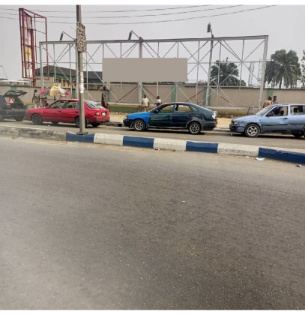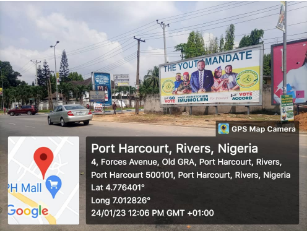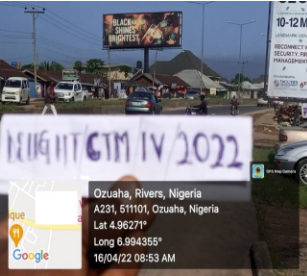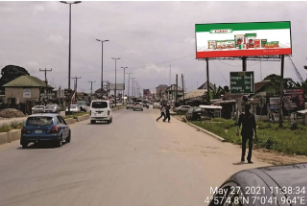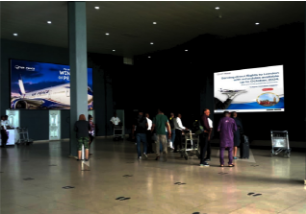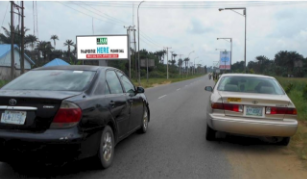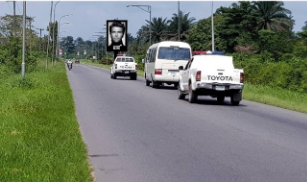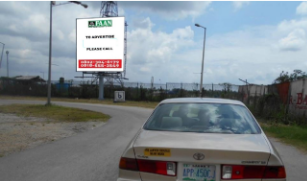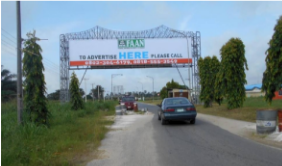



Outdoor advertising works well in Nigeria because of how people live and move every day.
Traffic congestion, crowded cities, and constant movement mean people are exposed to outdoor ads again and again, often without trying.
On busy roads and major routes, billboards become part of what people see daily, especially during long hours spent in traffic.
In cities like Lagos and Abuja, long commute times make outdoor ads hard to ignore. Over time, this constant visibility helps brands feel familiar and trustworthy.
Placement also plays a big role. Ads positioned on busy roads, junctions, bridges, and high-traffic areas naturally perform better. Digital and LED billboards add flexibility by allowing messages to change, but traditional formats like unipoles and bridge panels remain very effective.
In this article, I’ll explain what makes outdoor advertising effective in Nigeria, why brands still invest heavily in it, and how businesses can get better results from outdoor ads without guessing.
Why Outdoor Advertising Works So Well in Nigeria
Outdoor advertising fits naturally into how people live and move in Nigeria. Most daily activities involve being on the road, going to work, school, markets, meetings, or running errands.
Because of this constant movement, people are repeatedly exposed to their surroundings, including billboards and other outdoor ads.
Traffic plays a big role in this. In many cities, especially Lagos, traffic is slow for large parts of the day. When cars are stuck or barely moving, people naturally look around.
Billboards placed along these routes get more attention simply because there’s time to notice them. The same message gets seen over and over, often on the same road, which helps it stick.
Over time, outdoor ads stop feeling like advertisements and start feeling like part of the environment. Seeing the same brand daily along a familiar route builds familiarity without effort.
This is one of the main reasons outdoor advertising in Nigeria continues to be effective; it works with everyday life, not against it.
Traffic and Visibility Make a Big Difference
How long people stay on the road often matters more than how busy the road looks. In Nigeria, traffic doesn’t just move people, it creates attention.
Long Traffic Hours Mean More Attention
Anyone who has experienced go-slow knows how much time gets spent sitting in one place. When vehicles barely move, people naturally look around.
Billboards and bridge panels positioned along these routes get more than a glance; they get repeated viewing.
Waiting time works in favour of outdoor advertising. The same ad may be seen several times in a single trip, and even more across multiple days. This repeated exposure makes messages easier to remember without effort.
Lagos and Abuja as Prime Examples
Lagos and Abuja clearly show how traffic boosts outdoor advertising effectiveness. Long commute hours and heavy congestion mean people pass the same locations every day, often at the same times.
This daily exposure helps brands become familiar quickly. Even without trying, people begin to recognize names, colours, and messages simply because they’ve seen them so often along their regular routes.
Why Nigerians Trust Outdoor Advertising
In Nigeria, seeing a brand physically displayed in public spaces carries real weight. Outdoor advertising often feels more serious and believable than ads that only exist online.
Here’s why many Nigerians trust outdoor ads:
- Physical presence feels more real: A billboard is out in the open for everyone to see. It doesn’t pop up and disappear. That visibility alone makes the brand feel more established.
- Big ads signal stability: Large billboards on major roads are often associated with brands that are confident, stable, and here to stay. People naturally assume such brands are doing well.
- Repeated visibility builds confidence: Seeing the same brand daily along a familiar route creates reassurance. Over time, the brand feels known, even before any direct interaction happens.
This steady, public visibility is one of the reasons billboard advertising in Nigeria continues to influence trust and perception.
Outdoor Ads Reach Everyone
Another reason outdoor advertising works so well is its ability to reach people across different lifestyles and routines, without relying on internet access.
Outdoor ads naturally reach:
- Drivers and passengers: People commuting in cars, buses, and ride-hailing vehicles see ads repeatedly, especially in traffic.
- Pedestrians and traders: Those walking to work, markets, or bus stops are exposed throughout the day, often from close viewing distance.
- People with limited digital access: Not everyone is active online, but almost everyone moves through public spaces.
Because outdoor advertising doesn’t depend on apps, algorithms, or data plans, it remains one of the most inclusive ways to reach a broad audience in Nigeria.
Location Matters More Than the Billboard Size
A bigger billboard doesn’t automatically mean better results. Where an outdoor ad is placed often has more impact than how large it is.
Here’s why location matters so much:
- Busy roads outperform quiet streets: A medium-sized billboard on a busy route will usually perform better than a large one on a quiet street. More daily movement means more repeated exposure.
- Junctions, bridges, and highways attract attention: These areas naturally slow traffic or concentrate movement. When people stop, slow down, or wait, they have more time to notice outdoor ads around them.
- Placement beats size: A well-placed billboard facing the right traffic direction can outperform a bigger board that’s poorly positioned. Visibility and viewing time matter more than scale.
Smart placement ensures outdoor advertising works with traffic patterns instead of fighting against them.
Traditional vs Digital Outdoor Advertising
Outdoor advertising comes in different formats, and each one works best in specific situations.
Traditional outdoor formats include:
- Static billboards along major roads
- Bridge panels are placed over or beside traffic routes
These formats work well for long-term visibility and consistent exposure. Once installed, the message stays visible every day, helping familiarity build naturally.
Digital outdoor formats include:
- LED billboards
- Digital screens with rotating messages
Digital billboards are useful when flexibility is needed. Messages can be updated quickly and scheduled for specific times, making them effective for promotions or time-sensitive campaigns.
When each works best:
- Static formats are ideal for brand awareness and long-term presence
- Digital formats work well for promotions, announcements, and short-term campaigns
Both formats are effective when matched to the right goal and location.
Why Brands Still Use Outdoor Advertising in Lagos
Lagos is one of the strongest reasons outdoor advertising continues to work in Nigeria. The way the city is structured naturally supports repeated visibility.
Brands still invest in outdoor advertising in Lagos because of:
- High population density: Millions of people move through the same areas daily. A single billboard on a busy Lagos road can be seen by a huge number of people within a short time.
- Shared routes: Many commuters rely on the same major roads to get to work, school, and business districts. This means the same audience sees the same outdoor ads repeatedly.
- Constant daily exposure: Long hours spent on the road increase viewing time. Over days and weeks, repeated exposure builds familiarity without effort.
For brands looking to stay visible in a crowded market, Lagos offers outdoor advertising conditions that are hard to replicate online.
Why Outdoor Advertising Isn’t Replaced by Digital Ads
Digital advertising has grown fast, but it hasn’t replaced outdoor advertising, and there’s a reason for that.
Outdoor advertising still holds its ground because:
- Digital fatigue is real: Many people scroll past ads without noticing them. Over time, online ads blend into the background.
- Skipped ads vs unavoidable ads: Digital ads can be skipped, blocked, or ignored. Outdoor ads sit in shared public spaces where they can’t be switched off.
- Both work better together: Outdoor ads create awareness and familiarity, while digital ads handle engagement and follow-up. Seeing a brand offline often makes people more receptive when they encounter it online later.
Rather than competing, outdoor and digital advertising support each other. Together, they cover both visibility and action.
What Makes Outdoor Advertising Fail
When outdoor advertising doesn’t deliver results, the problem is rarely the medium itself. Most failures come from how the campaign was planned and executed.
Common reasons outdoor advertising fails include:
- Poor placement: Even a well-designed billboard can underperform if it’s placed on a quiet road, facing the wrong traffic direction, or hidden from clear view.
- Short campaign duration: Ending a campaign too early usually means stopping before people have had enough time to notice and remember the message. Outdoor advertising depends on repetition, not quick reactions.
- Wrong expectations: Outdoor ads are not built for instant clicks or immediate feedback. When success is judged too quickly, campaigns may be labelled as failures even though awareness was still building.
When placement, timing, and expectations are handled correctly, outdoor advertising remains one of the most reliable ways to build visibility and trust in Nigeria.
Conclusion
Outdoor advertising works in Nigeria because it fits naturally into everyday life. People are constantly on the move, spending long hours on the road and sharing the same public spaces. This makes outdoor ads hard to miss and easy to remember.
Visibility, traffic, and trust are the core reasons outdoor advertising remains effective. When ads are placed in the right locations and allowed to run long enough, repeated exposure builds familiarity and confidence over time.
For businesses looking to use outdoor advertising strategically, understanding placement, timing, and audience movement is key.
Oxbillboards helps brands plan outdoor campaigns that align with how people move and interact in real-world spaces, giving messages the visibility they need to work.