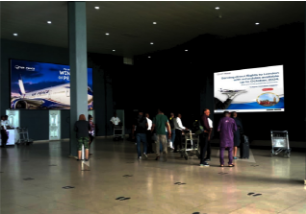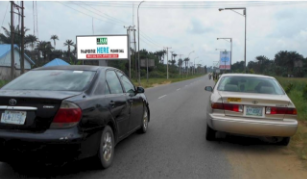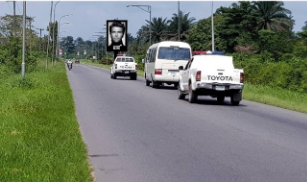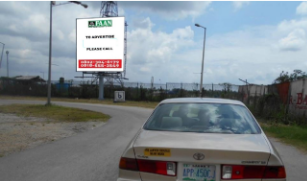

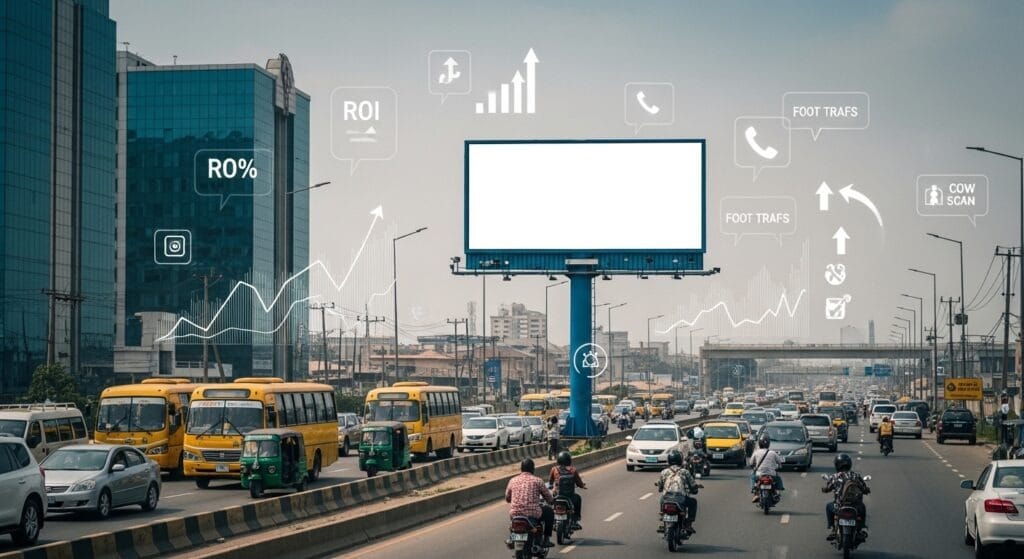
Billboards in Nigeria are not just awareness tools anymore. They are measurable performance assets when used correctly.
In major urban markets, especially Lagos, billboard campaigns consistently show high visibility and strong brand impact:
-
79% of consumers notice billboards weekly
-
63% register brand messages
-
Strong correlation with app downloads, web traffic spikes, and retail visits
But here’s the truth:
A billboard doesn’t “convert” by itself. It primes, reinforces, and accelerates decisions that often complete elsewhere — online, in-store, or via mobile.
This guide explains:
-
What “success” actually means in billboard advertising
-
The real impact metrics Nigerian brands use
-
How conversions are tracked from an offline medium
-
What factors separate profitable campaigns from wasted boards
First: What Does “Success” Mean for a Billboard?
If your definition of success is “someone saw the ad and bought immediately,” you’re thinking too small.
Billboard success usually shows up in four layers of impact:
| Level | What It Measures | Why It Matters |
|---|---|---|
| Exposure | How many people pass and see the board | Determines scale |
| Cognitive Impact | Did they notice and remember the brand? | Drives recall |
| Behavioral Response | Did they visit, search, scan, or call? | Shows intent |
| Business Outcome | Sales, signups, app installs | Real ROI |
Most brands only track the last step and ignore the first three. That’s why they can’t tell if a campaign failed… or if they just measured it wrong.
1. High Visibility and Brand Recall (The Awareness Engine)
Billboards in Nigeria excel at one thing: mass urban visibility.
Studies and industry data show:
-
Over 70% of urban Nigerians regularly notice billboard ads
-
63% of viewers register brand messages
-
79% of consumers report seeing billboards weekly
That is an enormous top-of-funnel penetration.
Why Recall Matters More Than Clicks
People rarely act instantly when they see a billboard. Instead, they:
-
Remember the brand name
-
Recognize it later online or in-store
-
Feel familiarity (which reduces buying friction)
This is called mental availability.
A brand that shows up repeatedly on major Lagos roads, like:
-
Third Mainland Bridge
-
Lekki-Epe Expressway
-
Ikorodu Road
-
Victoria Island corridors
…starts to feel established, even if it’s new.
Success Indicator Here:
-
Brand recall surveys
-
Brand search volume increases on Google
-
Social media mentions are rising during campaign periods
2. Direct Response Tracking (Yes, Billboards Can Drive Actions)
This is where most people underestimate OOH.
Modern Nigerian campaigns now use:
-
Custom URLs (example: brand.com/lagos)
-
Dedicated phone numbers
-
QR codes
-
Promo codes
These turn a “static” board into a trackable response channel.
Typical Direct Response Signals
| Mechanism | What It Tracks |
|---|---|
| QR Codes | Immediate mobile engagement |
| Vanity URLs | Direct website visits from OOH |
| Call Tracking Numbers | Inbound leads |
| Promo Codes | Purchases tied to the campaign |
Typical QR engagement rates:
0.5% – 2% of viewers in strong campaigns.
That sounds small until you apply it to a board with massive impressions.
Example:
-
Location traffic modeled at 200,000 daily impressions
-
Even 0.5% response = 1,000 daily interactions
That is performance media, not just awareness.
3. Digital and Mobile Integration (Where Billboard ROI Becomes Visible)
This is where billboards prove their power.
Brands often observe:
-
Website traffic spikes in areas near billboard placements
-
App downloads rising during campaign windows
-
Increased search for brand names
Using mobile location data, marketers can see:
-
Devices that passed a billboard zone
-
Later visits to a store or website
This connects physical exposure to digital behavior.
Success Indicator:
A measurable lift in:
-
Direct traffic
-
Branded search
-
App installs
-
Local store visits
If this lift happens during and around billboard flight periods, the correlation is strong.
4. Brand Lift Studies (Measuring Mental Impact)
Serious advertisers don’t guess. They run brand lift studies.
These surveys measure changes in:
-
Brand awareness
-
Message recall
-
Purchase intent
-
Brand perception
They compare:
Before campaign vs. after exposure
If awareness jumps from 25% to 40% in exposed areas, that’s success, even if sales lag slightly at first.
Billboards are especially strong for:
-
New product launches
-
Market entry
-
Repositioning campaigns
5. Sales and Foot Traffic Correlation
Retail brands and banks use this heavily.
They track:
-
Store visits before the campaign
-
Store visits during the campaign
-
Store visits after the campaign
If branches near billboard zones show:
-
Higher foot traffic
-
Increased transactions
…while non-exposed areas stay flat, the board is working.
This is common in:
-
Supermarkets
-
Telecoms
-
Fintech onboarding
-
Quick service restaurants
Key Factors That Influence Billboard Success in Nigeria
Not all boards perform equally. Here’s what separates winners from wasted spend.
1. Strategic Placement
High-performing zones include:
-
Major Lagos expressways
-
Business districts
-
Traffic bottlenecks
-
Dense commuter corridors
More traffic = more impressions
Slower traffic = higher dwell time
Both increase effectiveness.
2. Hybrid Strategies
Billboards rarely work alone.
The strongest campaigns combine:
-
OOH visibility
-
Social media ads
-
Influencer pushes
-
Search ads
When someone sees a board, then sees the brand on Instagram later, recall doubles. Conversion probability rises sharply.
3. Creative Execution
Drivers and commuters have about 3 seconds to process the message.
Winning boards are:
-
Bold
-
Minimal
-
One clear idea
-
Strong contrast
-
Big brand name
Overloaded boards destroy performance.
4. Cost Efficiency
Compared to many digital channels, billboards often have lower CPMs for mass exposure.
You get:
-
24/7 visibility
-
No ad blockers
-
No skip button
-
No scroll past
That persistent presence makes them cost-efficient for awareness and recall.
Why This Channel Isn’t Slowing Down
Nigeria’s outdoor advertising industry is expanding rapidly and is projected to approach ₦180 billion by 2025.
Why growth continues:
-
Urban congestion increases exposure
-
Mobile integration improves tracking
-
Brands demand omnichannel presence
-
Trust in physical media remains strong
Billboards are no longer just big signs. They are data-informed visibility engines.
The Brutal Truth Most Brands Ignore
Billboards fail when:
-
Creative is weak
-
Location is wrong
-
There is no tracking system
-
They run without digital support
They succeed when:
-
Placement is strategic
-
The message is simple
-
The campaign is integrated
-
Measurement is planned before launch
Do Billboards “Convert”?
Directly? Sometimes.
Indirectly? Constantly.
Billboards in Nigeria drive:
-
Recognition
-
Familiarity
-
Search behavior
-
Store visits
-
App installs
-
Purchase consideration
The success rate is high when judged by the right indicators, not just last-click sales.
Smart brands don’t ask:
“Did the billboard sell immediately?”
They ask:
“Did it increase demand signals across channels?”
That’s where the real ROI shows up.