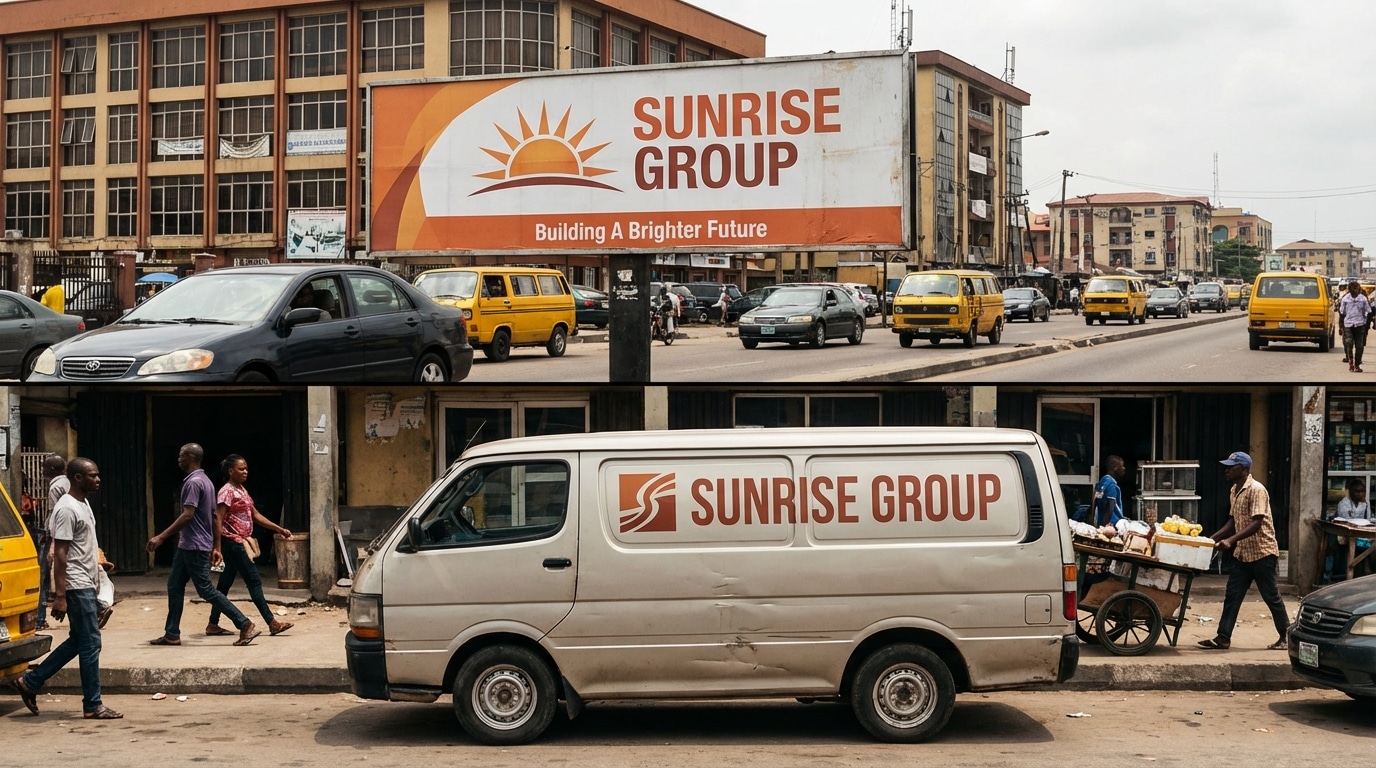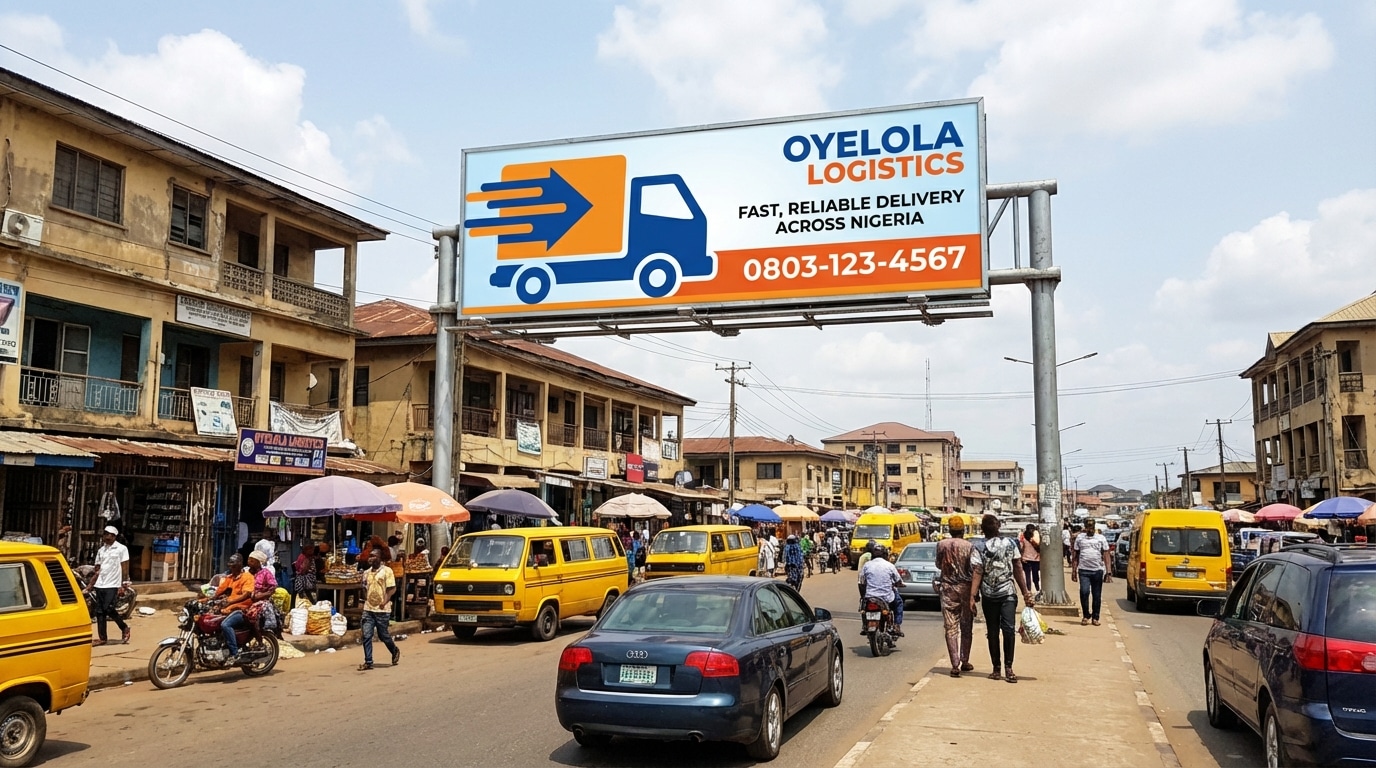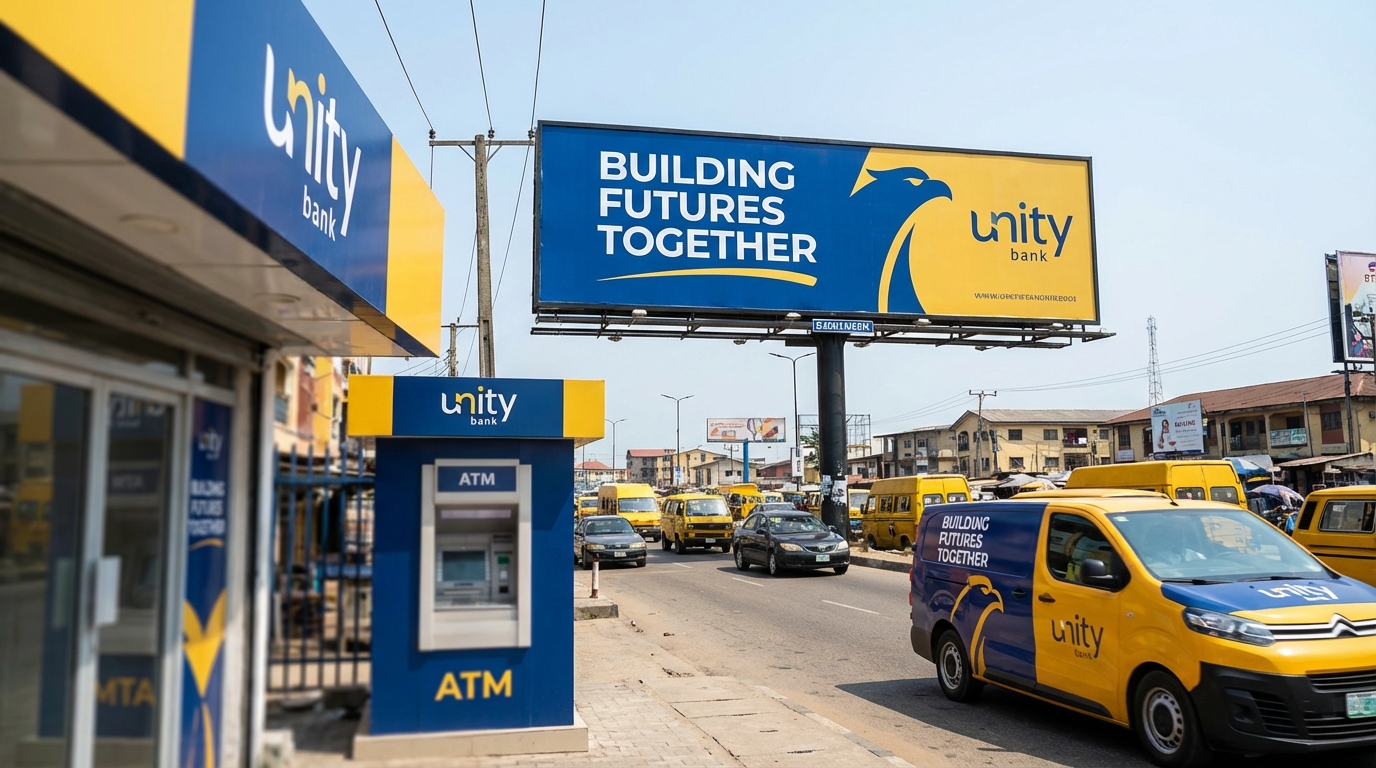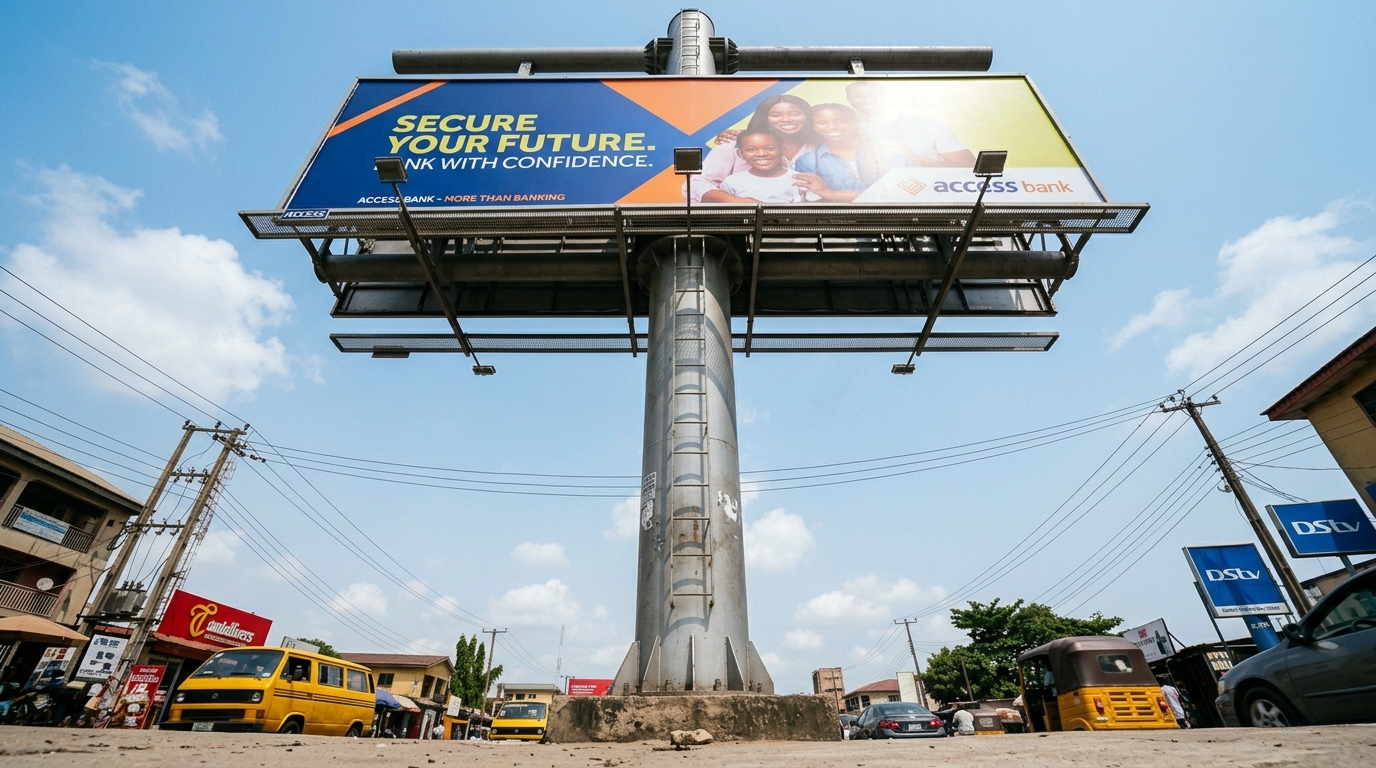

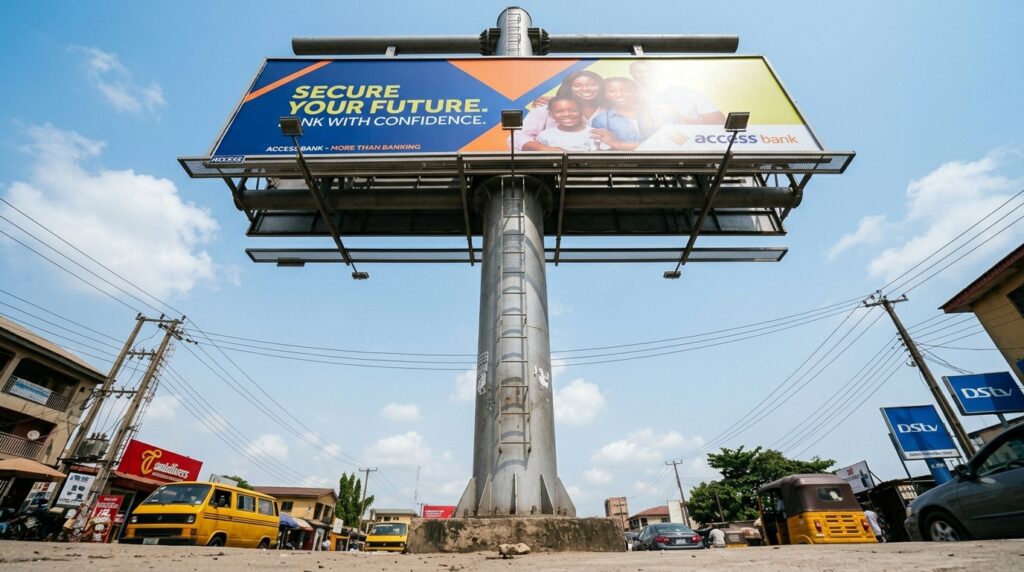
Every time you drive past a billboard in Lagos or Abuja, you are looking at someone’s income. Not the brand advertising on it. The person who owns the structure it is printed on.
That billboard is generating monthly revenue whether the economy is slow or fast, whether the advertiser is a multinational or a local SME, and whether anyone remembers the creative or not.
Billboard ownership in Nigeria is a real, viable business. Yet almost nobody talks about how to get into it. This guide covers everything you need to know, from securing a location to earning your first advertiser.
Why Billboard Ownership Is One of Nigeria’s Most Overlooked Business Opportunities
Most conversations about billboard advertising in Nigeria focus entirely on the advertiser side: how to book a board, what to spend, and how to design the creative. The operator side, the person or company that owns the physical structure and rents the space to advertisers, receives almost no attention.
That gap creates an opportunity.
Nigeria’s urban population is growing. Road infrastructure is expanding. And advertiser demand for quality outdoor locations consistently outpaces the supply of well-positioned, verified, compliant billboard structures.
A billboard owner with a good location, the right approvals, and a managed inventory can generate consistent monthly rental income from a physical asset that appreciates over time.
Unlike many other media businesses, billboard ownership does not require high ongoing operational costs once the structure is built and approvals are in place. The asset sits on the road. Advertisers pay to use it. The structure generates revenue month after month.
The barrier is not the business model. It is knowing how to set it up correctly from the beginning.
Two Ways to Own a Billboard in Nigeria
There are two entry points into billboard ownership in Nigeria. The right one for you depends on your budget, timeline, and appetite for construction and regulatory groundwork.
Option 1: Build Your Own Billboard Structure
This is the full entry path: secure a location, obtain all necessary approvals, construct the physical structure, and begin marketing the advertising face to brands and agencies.
It requires the most upfront investment and the longest setup timeline, but it gives you complete control over location choice, structure type, and pricing from day one.
Option 2: Buy or Take Over an Existing Structure
Some billboard operators in Nigeria sell existing structures, either because they are exiting the market, restructuring their portfolio, or facing financial pressure.
Buying an existing structure means the physical asset is already in place and, in many cases, the approvals and land agreements transfer with it.
This route is faster and sometimes cheaper than building from scratch, but it requires careful due diligence.
Verify that ARCON approvals are current, that the land agreement is valid and transferable, and that the structure itself is in sound physical condition before any money changes hands.
The Step-by-Step Process on How to Own a Billboard in Nigeria
Setting up a billboard business in Nigeria involves five interconnected steps. Skipping or rushing any one of them creates problems that are significantly harder to resolve after the structure is already built.
Step 1: Secure a Location and Land Agreement
The value of a billboard is almost determined by its location. A well-positioned board on a high-traffic corridor in Lagos, Abuja, or Port Harcourt will generate consistent advertiser demand at premium rates.
A poorly positioned board on a low-traffic road will sit empty for months.
When evaluating a location, consider:
- Daily vehicle and pedestrian traffic count on the road
- Visibility angle and dwell time for passing vehicles
- Proximity to commercial activity, transport hubs, or high-income residential areas
- Absence of obstructions: trees, buildings, or competing structures that block sightlines
- Zoning regulations that may restrict outdoor advertising in certain areas
Once a location is identified, you need a formal land or wall agreement with the property or land owner. This is a legal document that grants you the right to erect and maintain a billboard structure on their property for a defined period, typically between three and ten years, in exchange for an agreed annual payment.
Get this agreement in writing, with a lawyer involved, before spending a naira on construction or approvals.
Step 2: Obtain Local Government and State Approvals
Before any structure goes up, you need approval from the relevant local government authority and, in most states, a state-level regulatory body.
In Lagos, this means obtaining approval from LASAA, the Lagos State Signage and Advertisement Agency. LASAA regulates all outdoor advertising structures in Lagos State, and any billboard erected without LASAA approval is subject to removal and fines.
In Abuja, the FCDA, Federal Capital Development Authority, governs outdoor structures in the FCT. Other states have their own regulatory bodies with varying requirements and processing timelines.
Key requirements typically include:
- Structural engineering drawings and specifications for the proposed billboard
- Evidence of land or property agreement
- Site survey and location map
- Application fees, which vary by state and structure type
Processing timelines range from two to six weeks, depending on the state and current application volumes. Budget time and cost for this stage before making any other commitments.
Step 3: Register with ARCON as an OOH Operator
ARCON, the Advertising Regulatory Council of Nigeria, requires that all outdoor advertising operators be registered with the council. This is separate from the campaign-level ARCON approval that advertisers obtain when placing an ad on your structure.
As a billboard owner and operator, your ARCON registration establishes you as a legitimate OOH vendor in the Nigerian advertising ecosystem.
It is a mandatory requirement for operating legally and for working with agencies and larger brand advertisers who will ask for your ARCON credentials before booking.
The registration process involves submitting your company details, business registration documents, and evidence of your physical structures to ARCON. Registration fees and requirements are published on the ARCON website and updated periodically.
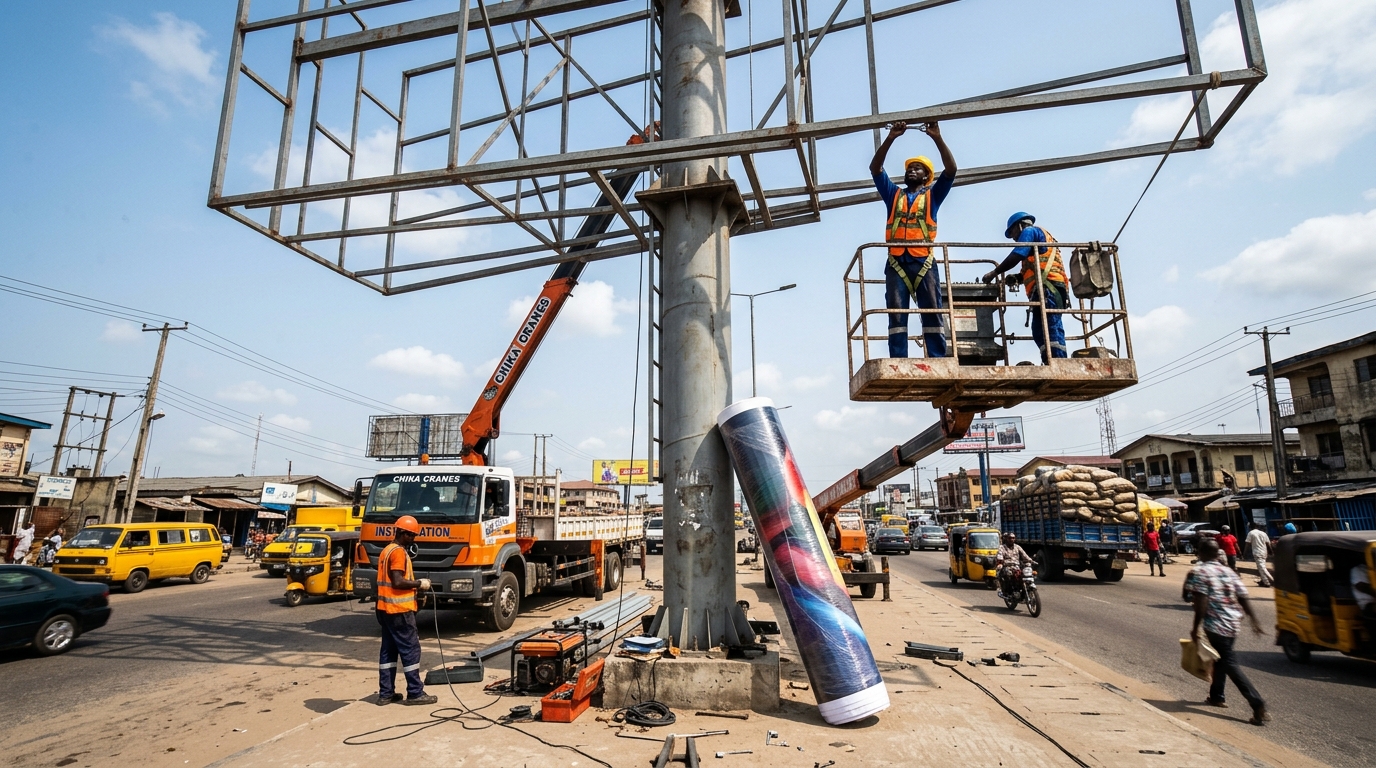
Step 4: Construct or Install the Billboard Structure
With land agreement, state approvals, and ARCON registration in place, construction can begin. Billboard structures in Nigeria range from simple wooden or metal-frame 48-sheet static boards to engineered steel unipoles and gantries.
The most common structure types and their approximate construction costs:
| Structure Type | Description | Approximate Cost |
| Standard 48-sheet static | Ground-mounted or wall-mounted metal frame | N800,000 to N2,500,000 |
| Unipole (single pole) | Tall single-pole roadside structure | N2,000,000 to N6,000,000 |
| Gantry | Road-spanning overhead structure | N5,000,000 to N15,000,000+ |
| LED digital billboard | Electronic display, requires power supply | N8,000,000 to N30,000,000+ |
| Rooftop billboard | Building-mounted structure | N1,500,000 to N5,000,000 |
These are indicative ranges only. Actual costs depend on structure height, materials, fabricator, and site-specific requirements such as foundation depth and electrical installation for lit or LED boards.
Use a licensed structural engineer and a reputable fabricator. A structure that fails or poses a safety risk creates legal liability that far exceeds the cost of doing it correctly the first time.
Step 5: List and Market Your Inventory to Advertisers
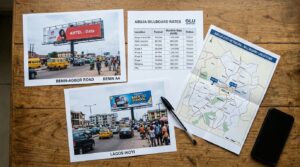
Once your structure is approved, built, and verified, it needs to generate revenue. This means making advertisers and media agencies aware that your inventory exists and is available for booking.
Your options for reaching the advertiser market include:
- Direct outreach to brand marketing teams and media agencies in your target city
- Listing your inventory on structured OOH platforms that aggregate verified billboard locations for brands and buyers to discover
- Building relationships with OOH brokers and media buyers who represent multiple advertisers
- Maintaining a rate card, location photographs, and traffic data that you can share immediately when a buyer enquires
The fragmented nature of Nigeria’s OOH market means that many quality billboard locations are invisible to potential advertisers simply because there is no structured way to discover them.
Operators who solve this visibility problem, by listing on verified directories and maintaining professional documentation, fill their inventory faster and at better rates.
How Much Does It Cost to Own a Billboard in Nigeria?
Total startup costs vary widely based on structure type, location, and state. A realistic budget for a first billboard in a Nigerian secondary city, covering land agreement costs, state approvals, ARCON registration, and structure construction:
| Cost Item | Estimated Range |
| Land or wall agreement (annual) | N200,000 to N800,000 |
| State regulatory approval | N100,000 to N500,000 |
| ARCON registration | N50,000 to N200,000 |
| Structure construction (standard static) | N800,000 to N2,500,000 |
| Production and installation of the first ad | N80,000 to N300,000 |
| Total estimated startup cost | N1,230,000 to N4,300,000 |
For premium Lagos or Abuja locations with unipole or LED structures, total startup costs can run significantly higher.
However, the monthly rental rates those locations command are also substantially greater, compressing the payback period.
How Billboard Owners Make Money in Nigeria

The core revenue model is straightforward: advertisers pay a monthly rental fee to display their creative on your billboard face. You collect the rental, cover any maintenance costs, pay the annual land agreement fee, and keep the difference.
Monthly rental rates in Nigeria vary from N150,000 for standard static boards in secondary cities to N2,000,000 or more for premium LED or unipole placements in Lagos or Abuja.
A single well-positioned static board in a mid-tier Nigerian city generating N300,000 per month in rental income will typically recover its construction and setup costs within 12 to 24 months.
Additional revenue opportunities for billboard operators include:
- Lighting upgrades that command higher rates for illuminated boards
- Converting static structures to LED to access the rotating advertiser model
- Managing multiple structures to build a portfolio with consistent aggregate revenue
- Partnering with OOH platforms to increase booking frequency and reduce vacancy periods
What Most People Get Wrong About the Billboard Business in Nigeria
Choosing a location based on convenience, not traffic: Many first-time billboard owners erect structures near property they already own or manage, regardless of whether that location has sufficient traffic to attract advertisers.
Location drives everything in this business. A cheaper location with strong traffic will always outperform an expensive location with weak footfall.
Skipping the legal agreement with the landowner: A verbal agreement with a property owner is not protection. When a site becomes commercially valuable, disputes over land agreements are common. Always formalise the agreement in writing before investing in construction.
Not budgeting for vacancy periods: No billboard is fully occupied 12 months of the year. Budget for months when the cash flow is empty, particularly in your first year of operation, while you build advertiser relationships and market awareness of your inventory.
Underestimating the regulatory process: First-time operators frequently underestimate the time and cost of state approvals and ARCON registration.
Beginning construction before approvals are in place is one of the most expensive mistakes in the billboard business. Structures built without proper approval are removed at the owner’s expense.
Frequently Asked Questions
Do I need to register a company to own a billboard in Nigeria?
Yes. ARCON registration and most state regulatory approvals require a registered business entity. Register a limited liability company with the CAC before beginning the approvals process.
How long does it take to set up a billboard business in Nigeria from scratch?
From identifying a location to having a legally approved, constructed, and operational billboard typically takes four to six months for a first-time operator.
Can I own a billboard on a federal road in Nigeria?
Yes, but federal road billboard approvals involve the Federal Roads Maintenance Agency (FERMA) in addition to ARCON and any relevant state body.
How do I find advertisers for my billboard once it is built?
Direct outreach to brand marketing teams and media agencies is the traditional approach. Listing your inventory on structured OOH platforms significantly increases your visibility to advertisers who are actively searching for available locations, reducing vacancy periods and improving your monthly revenue consistency.
Conclusion
Billboard ownership in Nigeria is not a complicated business. But it is a process-driven one. Get the location right, formalise the land agreement, secure the approvals before building anything, and register properly with ARCON.
Those four disciplines, applied in the correct sequence, are the foundation of a billboard business that generates consistent income and appreciates as urban Nigeria continues to grow.
The operators doing well in this market are not those with the most structure. They are the ones with the right locations, clean compliance, and a reliable way to connect their inventory with the advertisers who are actively looking for it.
Oxbillboards is building the infrastructure that connects verified Nigerian billboard inventory with brands and agencies planning outdoor campaigns nationwide.
For billboard owners who want their structures discovered, booked, and generating consistent revenue, being part of a structured, transparent OOH ecosystem is no longer optional. It is the difference between a billboard that earns and one that sits empty.