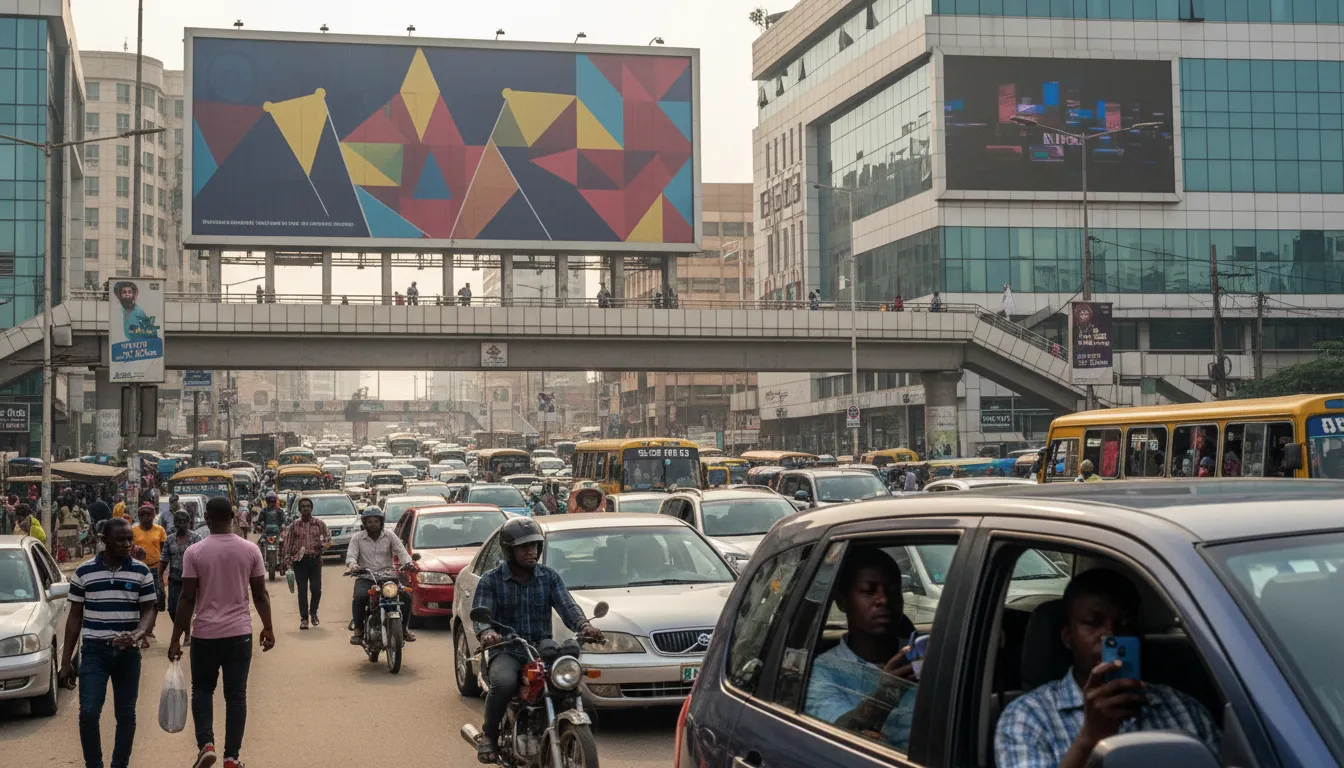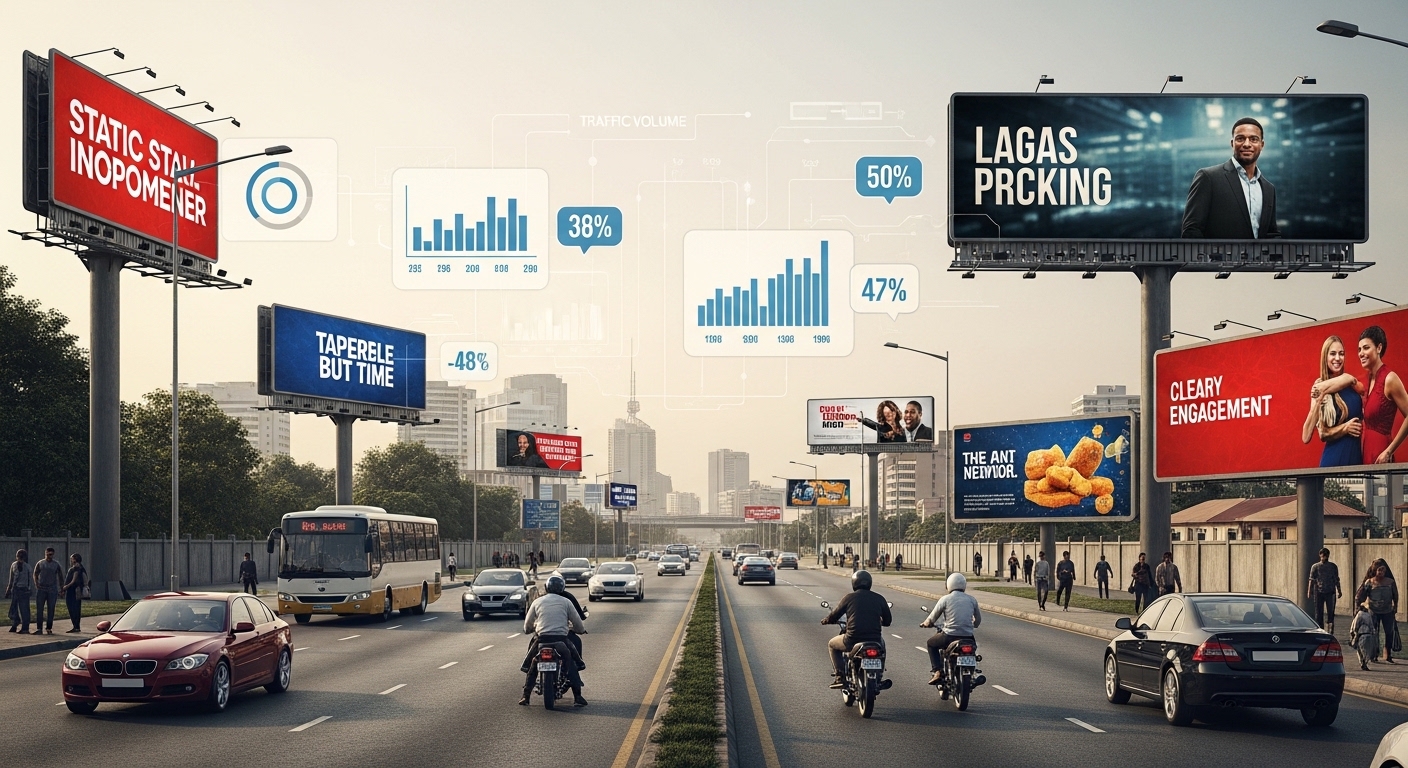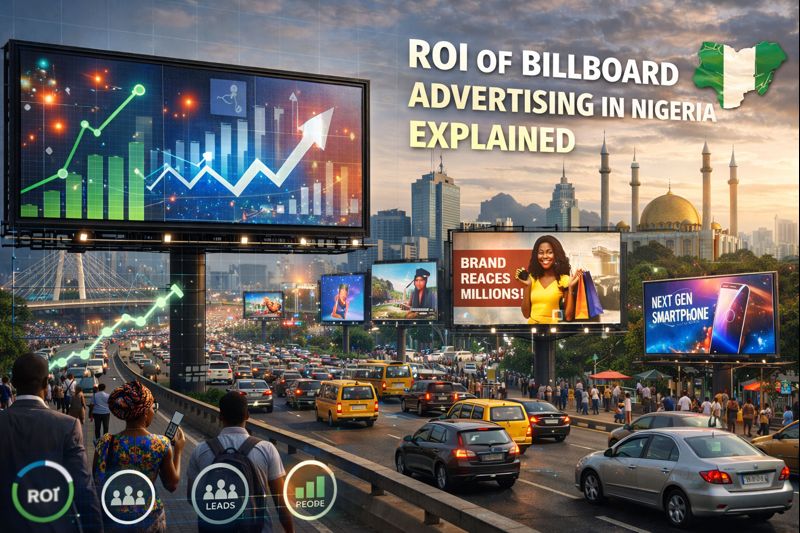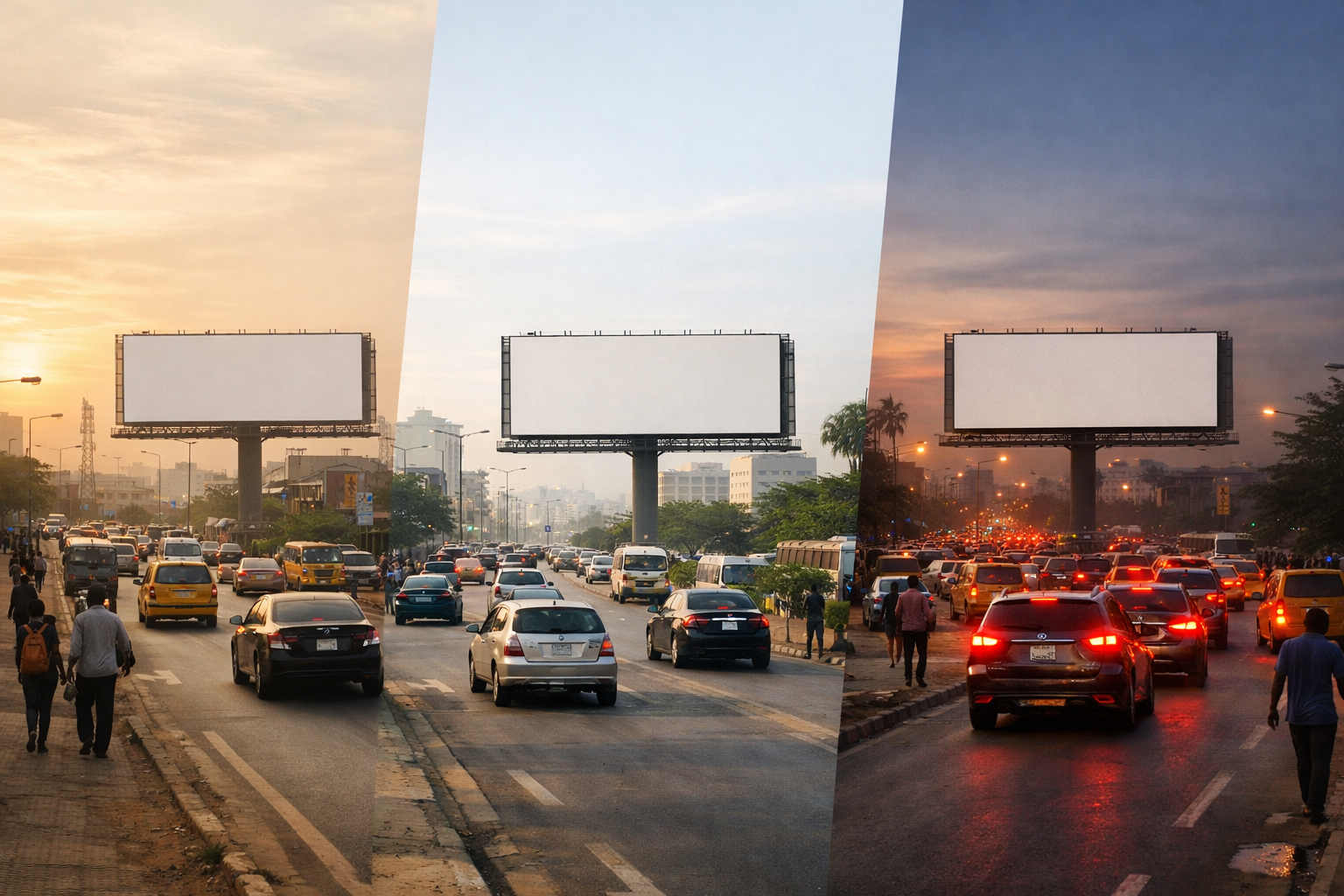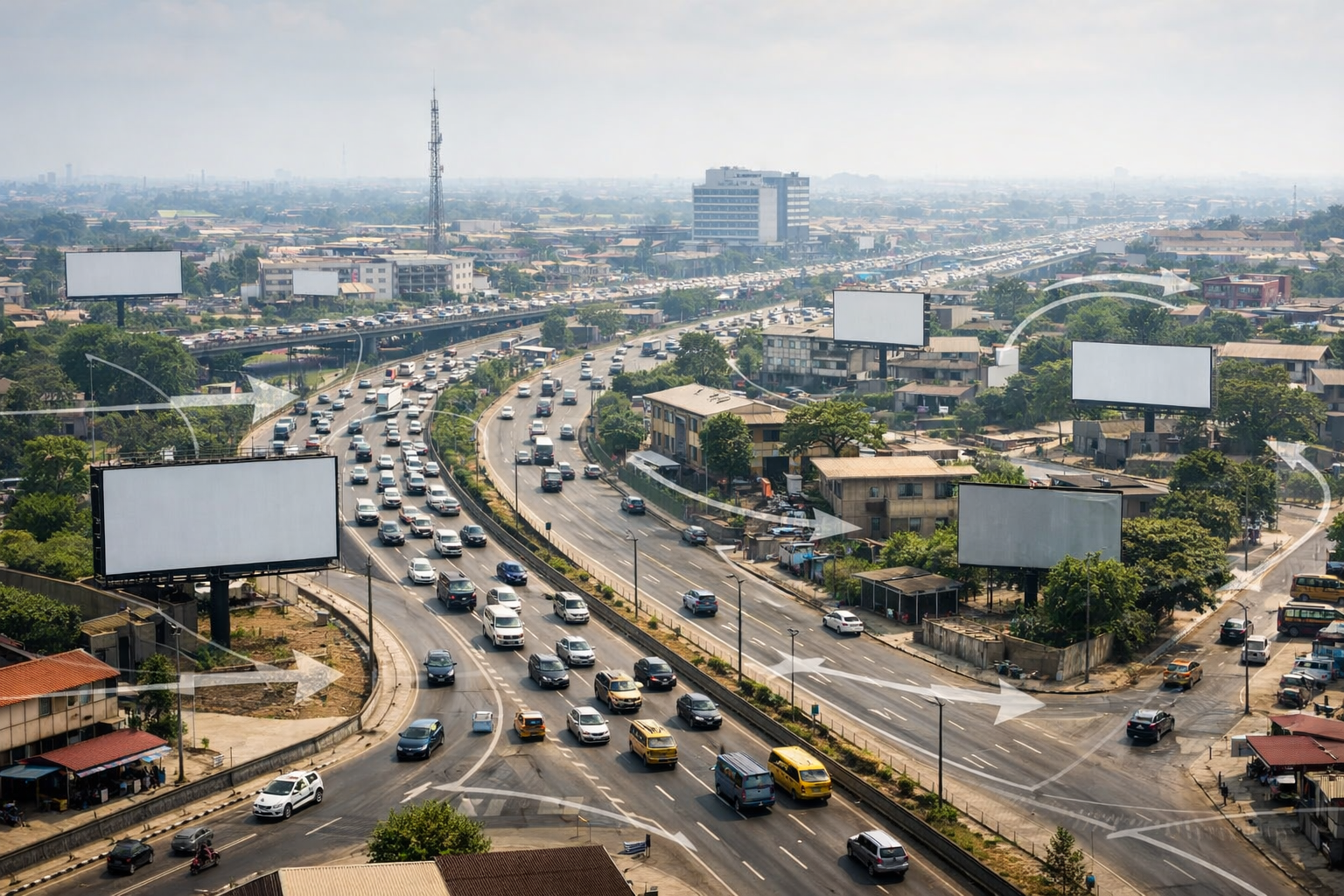


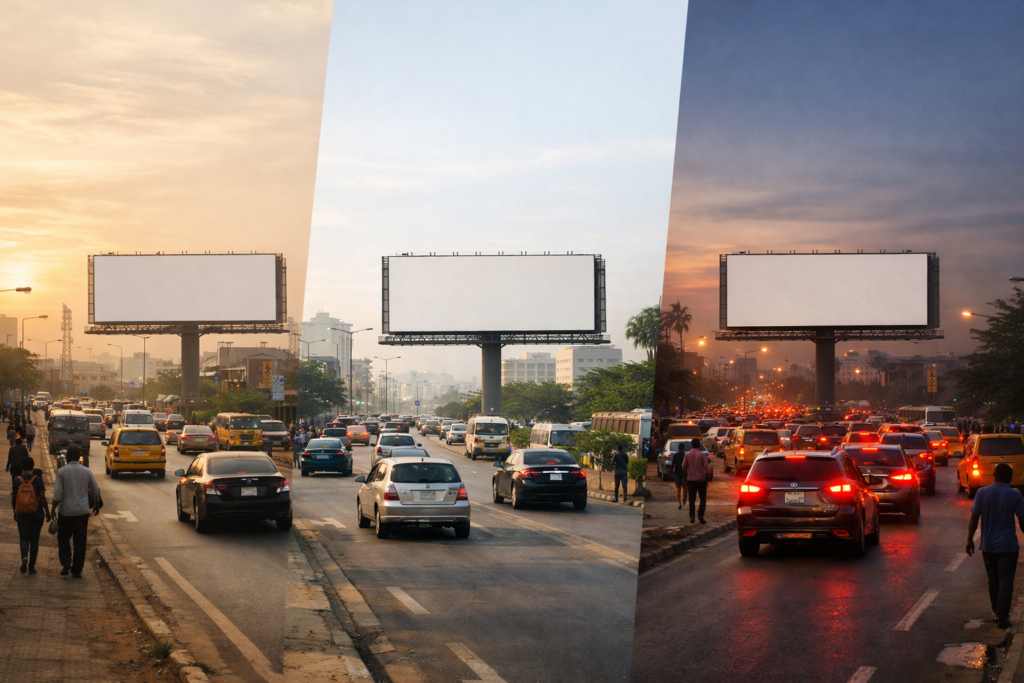
Most people don’t remember a billboard the first time they see it. They remember it after seeing it again… and again… usually while stuck in the same traffic on the same road.
That’s why the length of time a billboard stays up often matters more than the design itself. Billboard advertising isn’t built for instant reactions. It works through repetition and familiarity, which only happens when a message has enough time to settle into daily routines.
No fixed number of days or weeks guarantees results. The right duration depends on what you’re trying to achieve, where the billboard is located, and how often people pass that route.
In this article, I’ll break down how long a billboard campaign should run and how to choose a duration that actually makes sense for your goals.
Why Billboard Advertising Doesn’t Work Instantly
Billboard advertising works very differently from online ads. People don’t stop what they’re doing to study a billboard, they notice it in bits and pieces over time.
Problems often start when advertisers expect instant feedback. Ending a campaign after one or two weeks usually means stopping just as the message is beginning to stick.
Unlike digital ads, where clicks show up immediately, billboard advertising relies on time, traffic patterns, and repeated sight. When those elements are cut short, disappointment follows, not because the billboard failed, but because it wasn’t given enough time to work.
The first few days are usually about awareness, not results. Someone may see the board, register the colours or the name, and move on without much thought.
As days pass, repetition starts to do its job. Seeing the same message along the same route builds familiarity. By the second or third week, the brand begins to feel known, even if people can’t explain why.
This is how billboard advertising in Nigeria creates recall through steady exposure, not quick reactions.
The Minimum Time a Billboard Campaign Needs to Be Effective
For most billboard campaigns, the first few weeks follow a fairly predictable pattern. Results don’t show up all at once, they build gradually as people become familiar with the message.
What usually happens in the first few weeks:
- Week 1: People notice something new on their route
- Week 2: The brand or message starts to feel familiar
- Week 3-4: Recall improves as exposure repeats daily
This gradual process is why very short billboard campaigns struggle.
Why short campaigns often fail:
- The message doesn’t stay up long enough to be remembered
- Repetition is cut short before familiarity forms
- Traffic exposure hasn’t had time to compound
In billboard advertising in Nigeria, where daily routines and traffic congestion play a big role, ending a campaign too early often means stopping just before it begins to work.
That said, short-term placements can still make sense in specific cases.
When short-term billboard campaigns work better:
- Event announcements with fixed dates
- Limited-time promotions
- Urgent public messages
- Campaigns supported heavily by digital marketing
Outside these situations, most brands get stronger results when billboard advertising is allowed to run long enough to move from awareness to recall.
What Happens When You Run a Billboard for Longer
Running a billboard for longer isn’t about doing more for the sake of it. It’s about allowing time for the message to move from being noticed to being remembered.
How recall builds over time:
- In the early days, people are just becoming aware of the billboard
- With repeated daily exposure, the brand starts to feel familiar
- Over time, people can remember the name or message without seeing the board
This gradual build-up is why longer billboard campaigns tend to perform better. Each extra week adds to what the previous weeks have already done.
There’s also a clear difference between first exposure and familiarity. The first time someone sees a billboard, it’s usually just background noise.
Familiarity comes from seeing it often enough that the message feels known. In billboard advertising, where many people pass the same routes every day, familiarity grows naturally when campaigns are allowed to run.
This is also why longer campaigns often feel more “successful.” People start mentioning the brand casually, recognizing it elsewhere, or responding when they finally need the product or service.
These reactions don’t usually happen in the first week, but they become more common when the billboard has been around long enough to stay in people’s minds.
Billboard Campaign Duration in Lagos vs Other Cities
Location plays a big role in how long a billboard campaign needs to run. The same duration can perform very differently depending on where the billboard is placed.
Traffic congestion and viewing time
In Lagos, traffic congestion naturally increases viewing time. People spend longer periods on the road, often staring straight ahead with little else to do. This means a billboard can be seen clearly and repeatedly in a short span of time.
In other cities where traffic moves faster, exposure still happens, but viewing time per pass is usually shorter.
Daily commuting patterns
Lagos has very strong daily commuting routines. Many people pass the same routes every morning and evening, which helps recall build faster.
In other cities, routines may be less intense or spread across fewer major roads, so repetition still happens, but at a slower pace.
Faster recall in some locations
Because of traffic density and repeated exposure, billboard campaigns in Lagos often build recall faster than in smaller cities. That doesn’t mean shorter campaigns always work better in Lagos, it means the early stages of awareness may happen quicker.
In cities with lighter traffic, campaigns often need a bit more time to achieve the same level of familiarity.
Billboard advertising works across Nigeria, but the right duration depends on how often and how long people are exposed to the message in that specific area.
Matching Campaign Duration to Your Goal
How long you run a billboard should always come back to why you’re running it in the first place. Different goals need different amounts of time to work properly.
Brand Awareness Campaigns
Brand awareness is about visibility and familiarity, not quick action. Because of this, longer durations usually perform better.
Why longer duration matters for awareness:
- People need to see the message several times before it sticks
- Repeated exposure builds recall naturally
- Familiar brands feel more trustworthy over time
For awareness campaigns, shorter runs often end just as people are starting to remember the brand. Consistency over time is what delivers results here.
Promotions and Time-Based Campaigns
Promotions work differently. They usually have a clear start and end date, so urgency matters more than long-term exposure.
When shorter runs can work:
- Limited-time offers
- Sales tied to specific dates
- Events happening within a short window
In these cases, billboard campaigns can run for a shorter period, especially when placed in high-traffic areas or supported by online marketing.
Product Launches and Announcements
Product launches sit somewhere in between awareness and promotion. They need attention quickly, but also benefit from repetition.
What works best for launches:
- Enough time to introduce the product clearly
- Repeated exposure to build familiarity
- A duration that allows people to recognize the product before needing it
Running a launch billboard for too short a time can create noise without leaving a lasting memory. Allowing some breathing room helps the message settle.
How Long a Billboard Campaign Should Run
There’s no one-size-fits-all answer when it comes to billboard duration, but certain timeframes tend to work better for specific goals.
- Around 4 weeks works best for short-term needs like seasonal promotions, events, or time-sensitive offers.
- About 12 weeks (3 months) is often the sweet spot for most brands. This duration gives commuters enough repeated exposure to recognize the brand, remember it, and start trusting it.
- 6 months or more is ideal for brands looking to establish authority and stay top of mind.
The type of billboard also affects how long it should run. Static billboards usually perform better when they stay up longer, often three months or more, because they rely on consistency.
Digital billboards, on the other hand, allow for shorter, more flexible runs since content can change frequently and share time with other ads.
Budget vs Duration: What Matters More?
When planning a billboard campaign, many people face the same dilemma: spend more money upfront or let the billboard run longer. In most cases, duration wins.
Why spreading your budget over time often works better:
- Repetition builds recall more effectively than a short burst
- People remember messages they see consistently, not briefly
- A modest billboard running longer often outperforms an expensive one that disappears quickly
One common mistake in billboard advertising in Nigeria is stopping a campaign too early because results don’t feel immediate.
The cost of stopping too early:
- Awareness hasn’t fully formed yet
- Recall is still building, not failing
- Money spent doesn’t get the chance to compound
Smart planning focuses on visibility over time. Instead of asking how big the billboard should be, it’s often better to ask how long it can realistically stay up.
Signs You’re Ending a Billboard Campaign Too Soon
Not hearing feedback right away doesn’t mean the campaign isn’t working. Billboards usually operate quietly in the background.
Low recall isn’t always failure:
In the early stages, people may notice the billboard without mentioning it. This silence is normal and doesn’t mean the message isn’t landing.
Early silence vs long-term effect:
- Short-term silence is common
- Recognition usually comes later
- Results often show when people finally need the product or service
What to observe before stopping:
- Are people starting to recognize the brand name?
- Do you notice familiar reactions or comments over time?
- Is the location getting steady daily exposure?
Ending a campaign before these signs appear often means walking away just before the billboard begins to work.
How to Plan the Right Billboard Duration From the Start
The easiest way to avoid guessing is to plan duration deliberately, not emotionally.
Start with goals, not dates:
Decide what you want the billboard to achieve first. Awareness, promotion, or a launch will each require different timeframes.
Factor in location and traffic:
- Busy routes may build recall faster
- Faster roads may need more time
- Daily commuter routes benefit from longer runs
Allow time for learning and adjustment:
Billboard campaigns aren’t just about one result. They also help you learn what works, what doesn’t, and how to plan better next time. Giving the campaign enough time allows those lessons to surface.
When duration is planned properly from the start, billboard advertising becomes a strategy, not a gamble.
What Influences How Long a Billboard Should Run
Several factors should guide how long a billboard campaign lasts.
- Campaign goals play a major role. If the aim is short-term sales or announcements, a shorter, high-frequency run can work. For brand-building, however, longer exposure is far more effective.
- Budget also matters. While longer campaigns usually deliver better value over time, they require planning. Spreading visibility over weeks or months often works better than spending heavily for a short burst.
- Competition in the market can’t be ignored. In crowded or highly competitive areas, brands often need a longer presence to remain noticeable and remembered.
- Creative fatigue is another consideration. If a billboard stays up too long without any updates, especially beyond a year, the message can start to feel stale. Refreshing the creative helps maintain attention while keeping the same location.
Conclusion
There is no universal number that guarantees a successful billboard campaign. What works depends on your goal, your location, and how people move around the area.
Billboard advertising performs best when duration is planned intentionally, not rushed or guessed.
Repetition almost always beats speed. Seeing a message once or twice rarely leaves an impression, but seeing it consistently over time allows recall to build naturally.
That steady presence is what turns a billboard from background noise into something people remember.
For brands looking to plan billboard campaigns with the right timing and placement, working with a team that understands traffic patterns, locations, and campaign goals can make the process easier.
Oxbillboards helps businesses plan billboard advertising in a way that allows messages enough time to be seen, remembered, and effective.