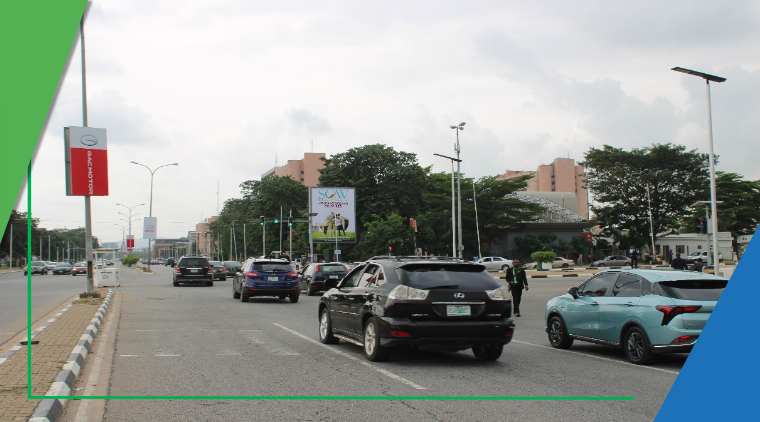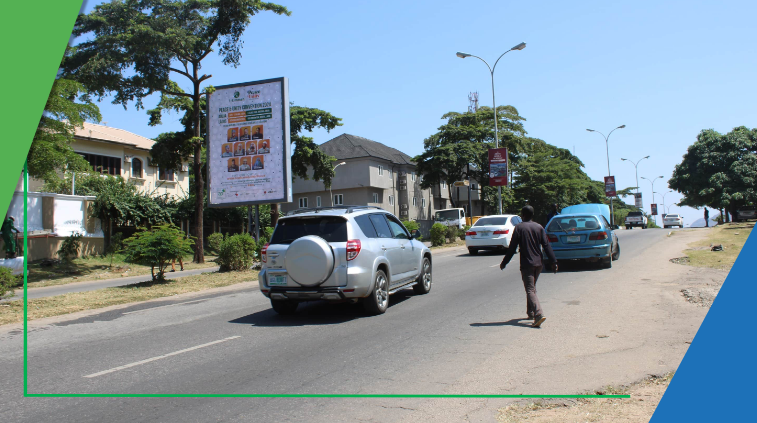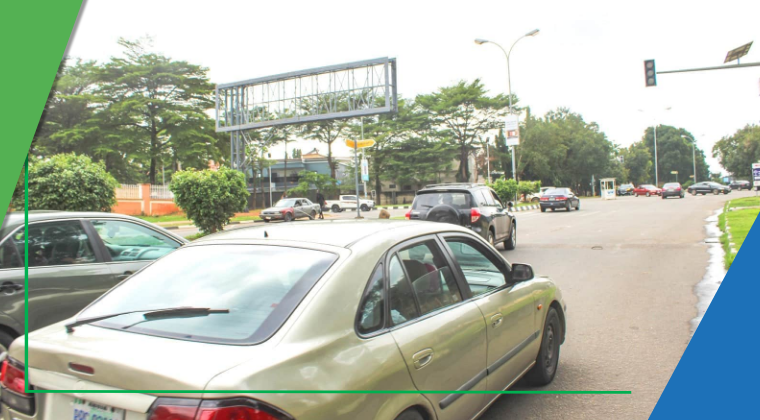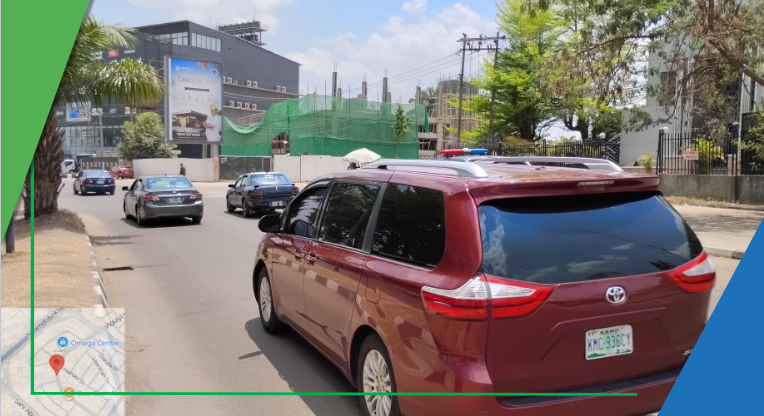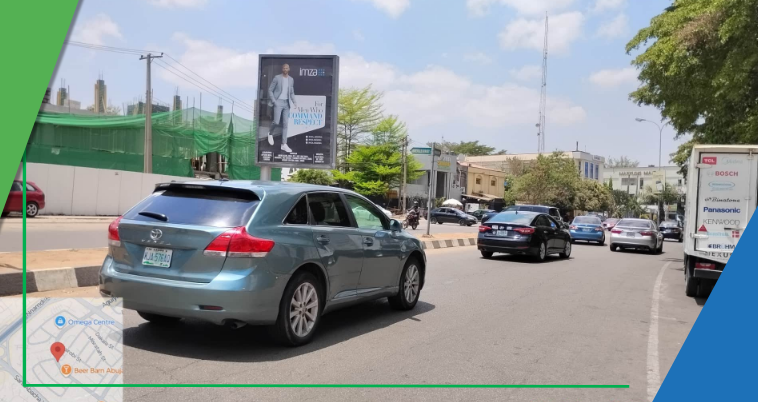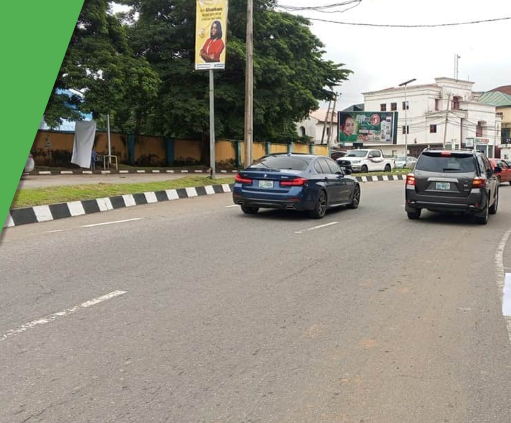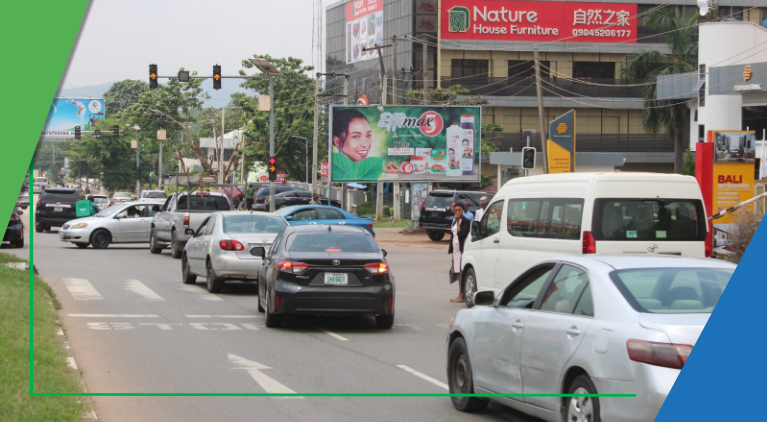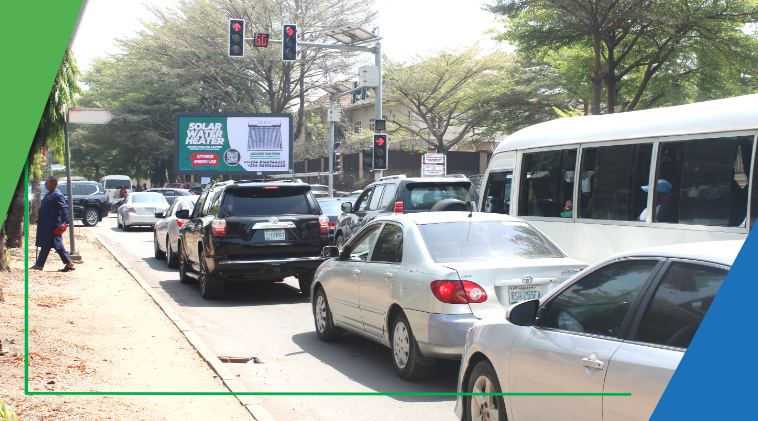

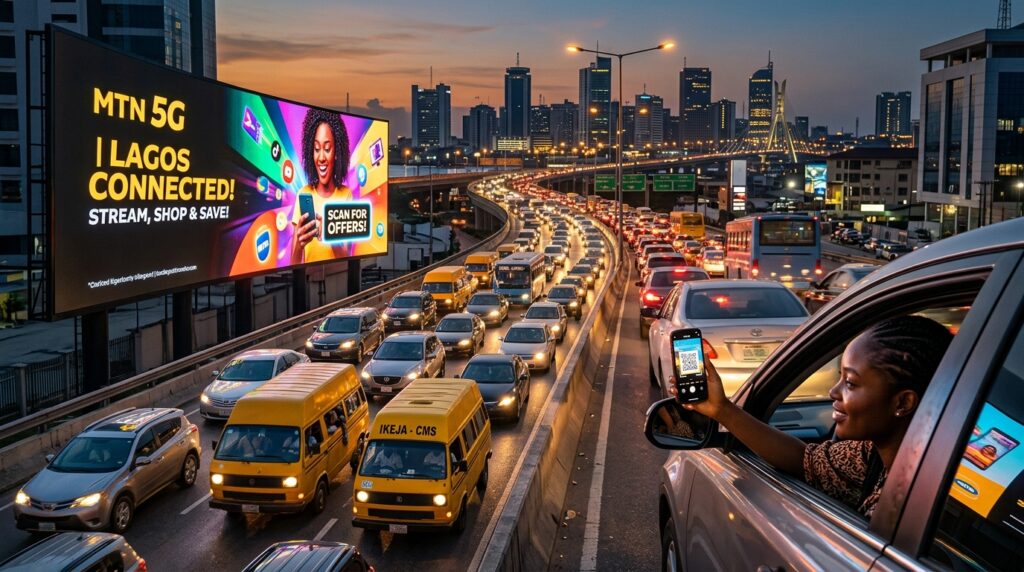
Outdoor advertising in Nigeria has been through a significant transformation over the past decade. What was once a straightforward process of booking a static board and printing a vinyl has evolved into a multi-format, data-informed medium that intersects with digital marketing, mobile technology, and consumer behaviour analytics.
In 2026, the pace of that transformation is accelerating. The trends reshaping the future of billboard advertising in Nigeria are not speculative. They are already visible in the market, and the brands that understand them will have a meaningful advantage over those that do not.
1. The Rise of Digital Out-of-Home (DOOH) in Nigeria
Digital billboards, which display rotating or real-time content on LED screens, are expanding across Nigeria’s major cities. Lagos, Abuja, and Port Harcourt already have digital inventory in high-traffic locations, and that inventory is growing.
The shift to digital OOH has significant implications for advertisers:
- Shorter minimum booking periods make digital OOH accessible for campaigns that would not justify the print and installation cost of a static board.
- Dynamic creative allows brands to run different messages at different times of day, for example, a breakfast offer in the morning and a dinner promotion in the evening.
- Real-time content updates mean Nigerian brands can react to news events, product launches, and competitor activity with speed that static boards cannot match.
Globally, digital OOH now accounts for 30 to 40 percent of total OOH revenue in mature markets, according to the OAAA. Nigeria is on that trajectory, and the pace of digital screen rollout in Lagos, has accelerated noticeably in 2025 and 2026.
2. Data-Driven Audience Targeting for Outdoor Advertising

One of the most significant shifts in global outdoor advertising is the movement toward audience-based planning. Rather than choosing a billboard primarily based on its geographic location, advertisers increasingly select sites based on the verified audience that passes them, using anonymised mobile location data.
This means that in the near future, a Nigerian brand will be able to specify: I want to reach working professionals aged 25 to 45 who commute through Ikeja at least three times per week, and then select billboard sites based on verified data showing which locations those commuters actually pass.
This capability is already available in markets like the US and UK through platforms including Clear Channel RADAR. As mobile data infrastructure in Nigeria matures and OOH measurement companies invest in the market, data-driven site selection will become a standard part of Nigerian outdoor advertising planning.
3. Programmatic OOH: Buying Billboard Space Like Digital Ads
Programmatic advertising, the automated, data-driven buying of ad inventory in real time, has already reshaped digital advertising globally. It is now beginning to enter the OOH category.
Programmatic OOH allows brands to buy digital billboard impressions based on specific audience criteria, time of day, weather conditions, or real-world events, in an automated way similar to how they buy Google Display or social media ads.
For Nigerian advertisers, programmatic OOH is not yet widely available, but it represents the direction the market is heading. Brands that build familiarity with programmatic concepts in their digital campaigns today will be well-positioned to adopt programmatic OOH as it becomes available in the Nigerian market over the next three to five years.
4. The Integration of OOH with Mobile and Social Media

The future of billboard advertising is not a standalone medium. It is a first-stage trigger in an integrated media ecosystem that connects outdoor, mobile, and social touchpoints.
Brands that are most effectively using outdoor advertising in 2026 are those that have designed a clear consumer journey from the billboard to the next digital interaction. This might look like:
- A consumer sees a billboard on the Third Mainland Bridge.
- They search for the brand on Google within the next 24 hours.
- A branded search ad captures their click and directs them to a product landing page.
- A social media retargeting ad reaches them the following day if they did not purchase.
This is not a future scenario. It is happening now, and it is measurable. We cover the billboard-to-search relationship in detail in our post on how billboard advertising boosts Google search traffic.
5. Regulatory Maturity and Industry Standards
The Advertising Regulatory Council of Nigeria (ARCON) has been actively strengthening its regulatory framework for the OOH industry. Stricter enforcement of licensing requirements, structural standards, and advertising content guidelines is reshaping the market in ways that benefit brands and consumers.
As the regulatory environment matures, two outcomes become more likely:
- Unlicensed and substandard billboard structures will be progressively cleared from major routes, reducing clutter and increasing the visibility and impact of properly licensed inventory.
- The professionalisation of the OOH industry will attract more investment from brands that currently view outdoor advertising as risky or unpredictable due to compliance concerns.
For brands working with reputable, ARCON-registered vendors, this regulatory trajectory is a positive development. It reduces competitive clutter and increases the overall quality of the medium.
6. Sustainability and Green OOH Infrastructure
Globally, the OOH industry is making a concerted push toward more sustainable practices, including solar-powered digital screens, recyclable print materials, and reduced energy consumption. This trend is beginning to appear in Nigeria as well.
For corporate brands with sustainability commitments, the ability to advertise outdoors using environmentally responsible infrastructure will increasingly become a consideration in vendor selection. Brands that want to align their outdoor advertising with their ESG commitments should begin asking vendors about their sustainability credentials now.
What These Trends Mean for Nigerian Advertisers
The direction of outdoor advertising in Nigeria over the next three to five years is clear: more digital, more data-driven, more integrated with mobile behaviour, and better regulated. Brands that adapt to these trends early will have a structural advantage over those that continue to treat billboard advertising as a simple, transactional medium.
The practical starting point for most Nigerian brands is not to wait for the future to arrive. The most important thing you can do today is treat your outdoor advertising as part of an integrated campaign, pair it with a strong digital presence, select locations based on audience relevance rather than price alone, and work with vendors who are compliant, professional, and invested in delivering measurable results.
Explore current billboard opportunities across Nigeria on the Ox Billboards listings page, or contact us to discuss how to position your brand for both today’s market and tomorrow’s.