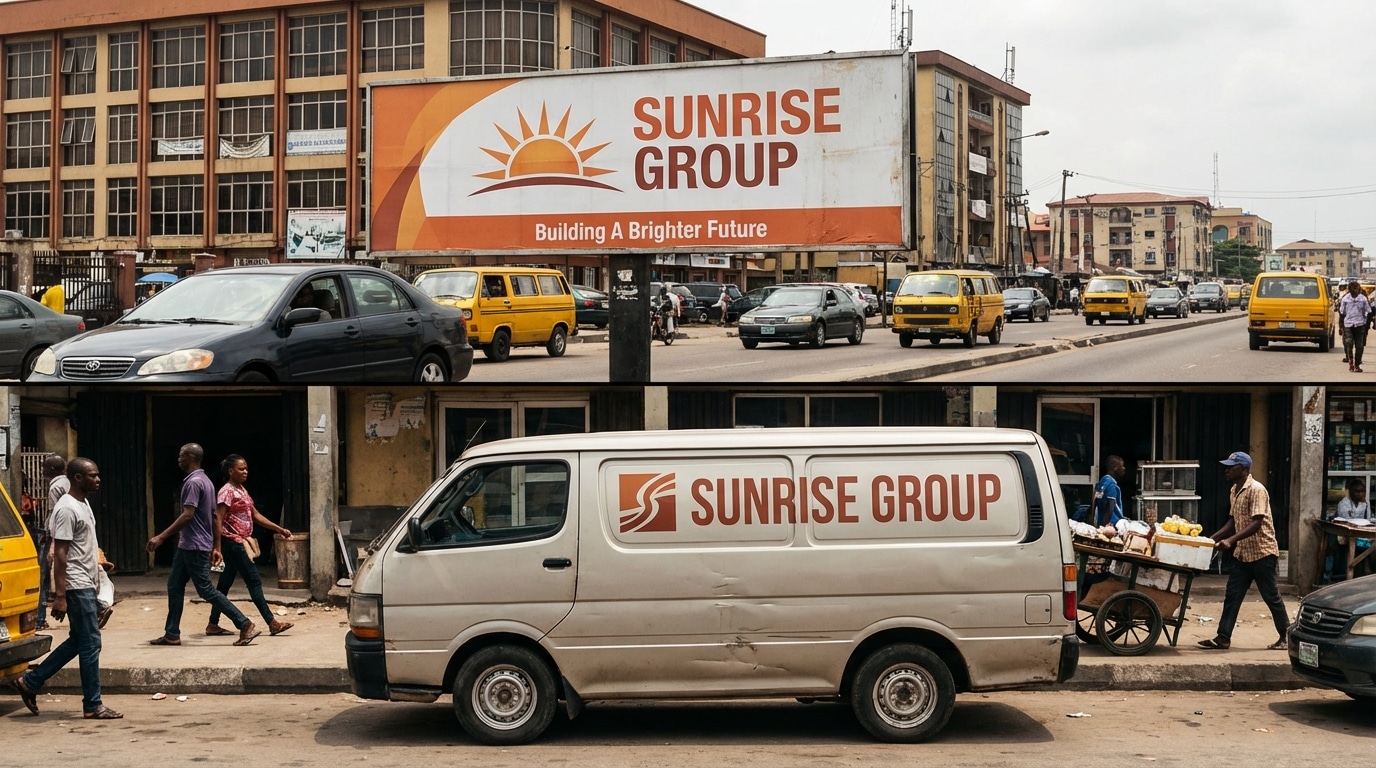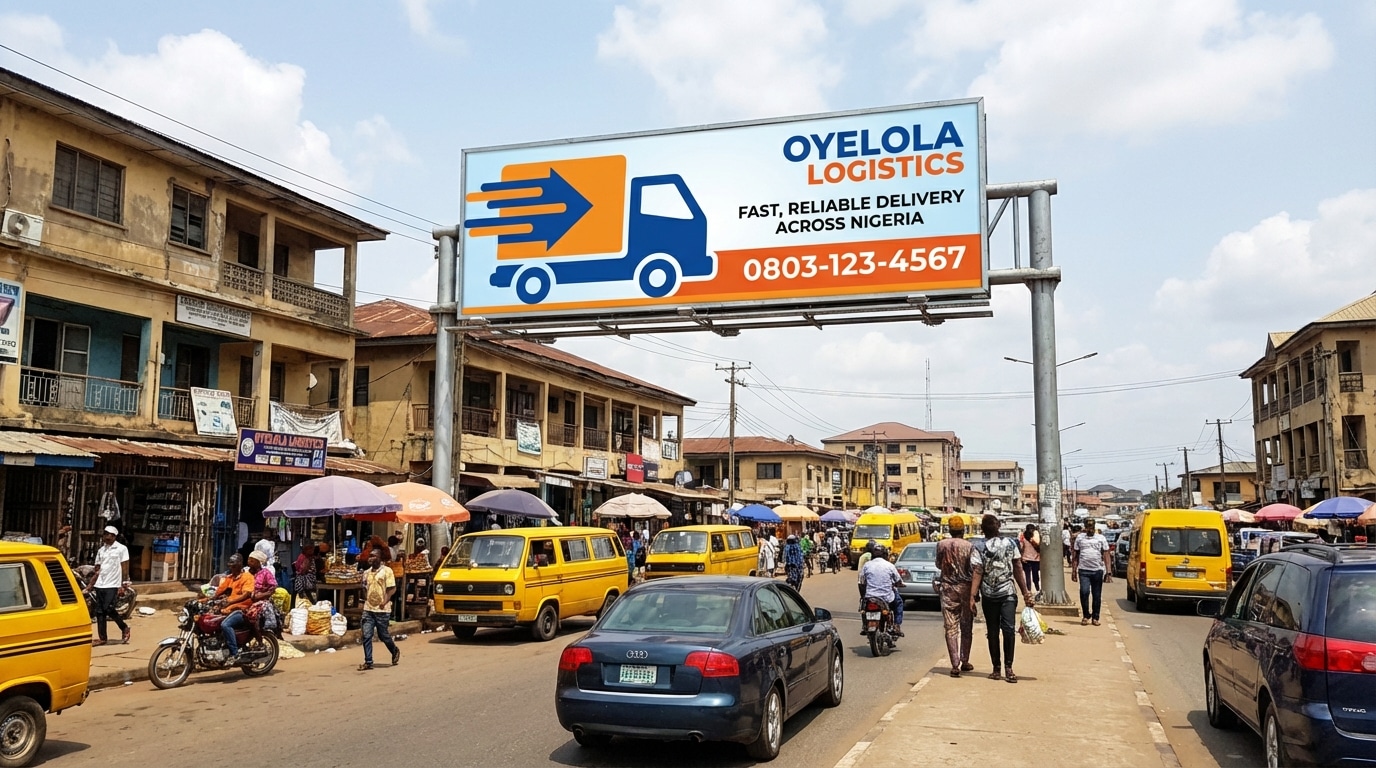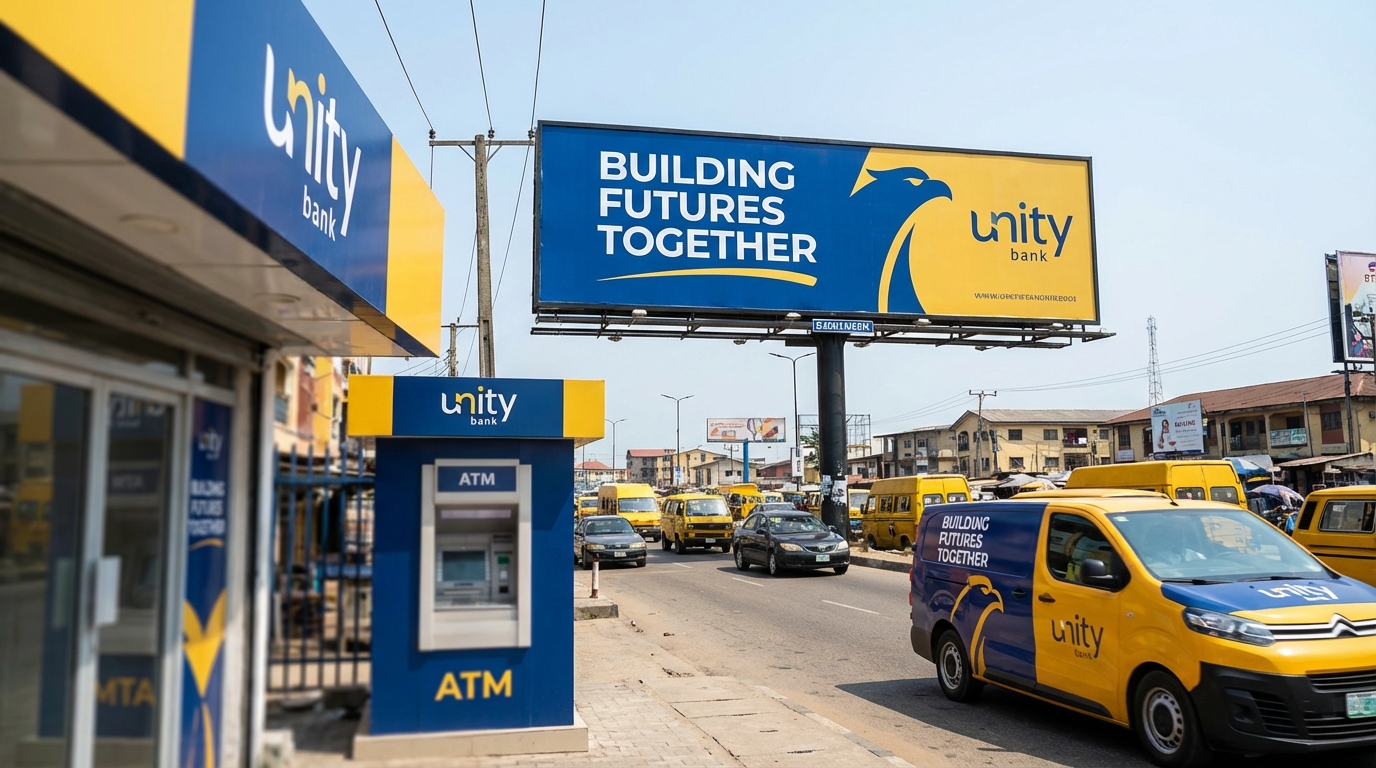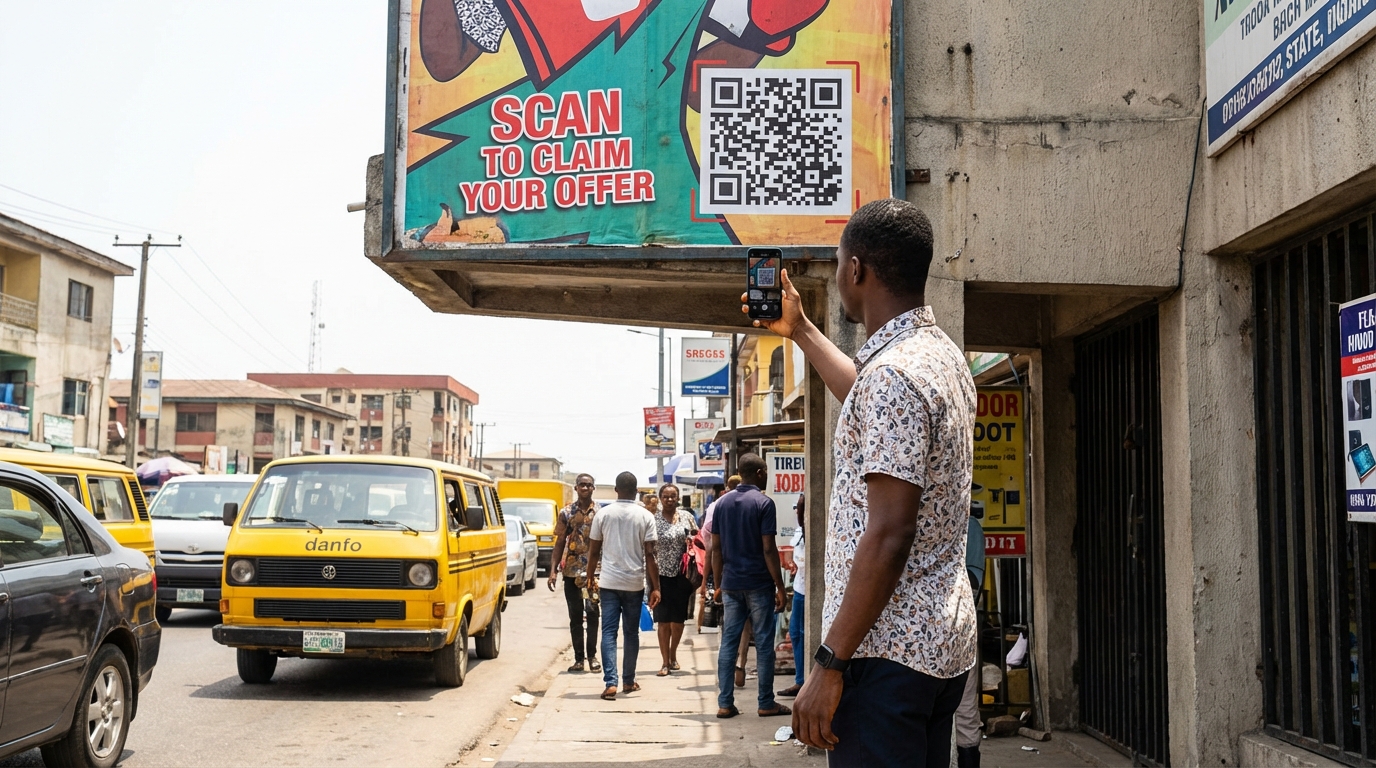

Every day, businesses in Nigeria spend millions on billboard advertising, yet many of those campaigns quietly fail to deliver real impact.
The boards go up, the money is paid, but the results never quite match expectations.
In most cases, the problem isn’t billboard advertising itself. It’s poor planning, wrong placement, or avoidable mistakes that weaken what could have been a highly effective form of outdoor advertising in Nigeria.
When billboards are approached without a clear strategy, even high-traffic locations can underperform.
This article breaks down the most common billboard advertising mistakes in Nigeria, explaining why they happen and how businesses can avoid them.
Choosing the Wrong Billboard Location
One of the most common billboard advertising mistakes is assuming that visibility alone guarantees results. A billboard can be large and well-positioned, yet still fail if it doesn’t connect with the right audience.
Many advertisers focus on traffic volume without considering who that traffic represents. A location may be busy, but if it attracts the wrong audience, the message won’t stick. This mistake often shows up when brands choose locations based purely on popularity.
Common location-related mistakes include:
- Selecting high-traffic roads without considering the audience type
- Ignoring daily movement patterns such as work commutes or shopping routes
- Choosing locations because competitors are there, not because the audience is
This issue becomes even more pronounced in billboard advertising in Lagos, where traffic is heavy but audience movement varies widely across districts.
In other cities, traffic may be lighter, but audience behavior can be easier to predict. Without understanding these differences, even expensive locations can underperform.
What to do instead:
Match billboard placement to how your target audience actually moves. Think about where they work, commute, shop, and spend time, then select locations that naturally intersect with those routines.
Focusing on Size Instead of Placement
Another common mistake in billboard advertising in Nigeria is assuming that a bigger billboard automatically means better. While large billboards can be impressive, size alone doesn’t guarantee effectiveness, especially when the placement is poorly thought out.
Big boards placed in the wrong locations often suffer from low engagement. If a billboard is positioned too high, too far from the road, or outside the natural line of sight, people may pass it without actually absorbing the message.
Speed also plays a role. On fast-moving roads, drivers have only a few seconds to notice and process what they see.
This mistake usually shows up in the following ways:
- Choosing oversized billboards in areas with poor viewing angles
- Ignoring how fast vehicles move past the board
- Placing large boards where visual clutter reduces attention
What to do instead:
Prioritize placement over size. Focus on the billboard’s angle, height, and sightline to ensure it falls naturally within the viewer’s line of vision. A well-placed medium-sized board can outperform a larger one if it’s easier to see and read at speed.
Overloading the Billboard With Too Much Information
One of the fastest ways to weaken a billboard campaign is by trying to say too much at once. Many advertisers treat billboards like flyers or social media posts, filling them with long messages that people simply don’t have time to read.
Common design mistakes usually include:
- Too many words competing for attention
- Small text that can’t be read from a distance
- Multiple calls to action on one board
- Overcrowded visuals and logos
Long messages fail because billboards are viewed at speed. Whether someone is driving, walking, or stuck in traffic, they only have a few seconds to process what’s in front of them.
When the message isn’t instantly clear, it’s ignored, no matter how good the offer is.
What to do instead:
Keep the message short and bold. Focus on one clear idea, use large, readable text, and design for quick understanding. In effective outdoor advertising in Nigeria, simplicity often delivers stronger recall than detailed explanations.
Ignoring Campaign Duration
Many billboard campaigns fail simply because they don’t run long enough. Advertisers often expect immediate results and pull down their boards before the message has time to register with the audience.
Running a billboard for a very short period limits exposure, especially in high-traffic areas where people need repeated sightings before a message sticks. Unlike digital ads, billboard advertising relies on recall built over time, not instant clicks.
This mistake is common when businesses:
- Expect immediate responses from outdoor advertising
- Compare billboards directly to online ads
- Underestimate how repetition builds awareness
What to do instead:
Give your campaign enough time to create familiarity and recall. In billboard advertising in Nigeria, longer durations often lead to stronger brand recognition, making the investment more effective over time.
Not Considering Traffic Patterns and Time of Day
Another common mistake in billboard advertising in Nigeria is ignoring when people are actually on the road. Not all traffic delivers the same value, and exposure at the wrong time can weaken an otherwise good placement.
Peak hours usually bring slower movement and longer viewing time, while off-peak periods often mean faster traffic and shorter attention spans. Without understanding this difference, advertisers may assume they are getting visibility when the message is barely noticed.
Digital billboards make this mistake even easier. Many campaigns run the same message all day, missing opportunities to tailor exposure to specific times. A promotion meant for office workers may appear late at night, while event messages show up after peak hours have passed.
What to do instead:
Align billboard exposure with how your audience moves throughout the day. Consider commute times, shopping hours, and event schedules, and plan your placements or digital rotations around periods when your message is most likely to be seen and remembered.
Choosing the Wrong Billboard Type
Many advertisers struggle with choosing between static and digital billboards, often selecting a format based on trend rather than purpose. This leads to campaigns where the billboard type doesn’t support the message.
This mistake usually happens when:
- Static billboards are used for time-sensitive promotions
- Digital billboards are chosen for messages that never change
- Flexibility is ignored during planning
Static billboards are best for steady, long-term visibility, while digital formats work better for rotating messages and scheduled content. Confusing the two often reduces the effectiveness of billboard advertising in Nigeria.
What to do instead:
Match the billboard type to your campaign goal. Use static boards for consistency and digital billboards when timing, updates, or flexibility matter.
Skipping Professional Guidance
Many businesses attempt to plan billboard campaigns on their own, assuming it’s as simple as picking a location and putting up a design. In reality, DIY billboard planning often leads to avoidable mistakes that affect both cost and performance.
Common pitfalls of handling billboard advertising without professional guidance include:
- Choosing locations without understanding traffic patterns or viewing angles
- Selecting the wrong billboard type for the campaign objective
- Underestimating setup timelines and approval processes
Regulatory and placement issues also create problems. In Nigeria, outdoor advertising is regulated, and failing to comply with guidelines can delay campaigns or lead to penalties.
Without proper knowledge, advertisers may secure placements that look good on paper but fail in execution.
What to do instead:
Work with experienced outdoor advertising teams who understand placement strategy, regulatory requirements, and real-world execution. Professional guidance helps businesses avoid costly errors and get better results from outdoor advertising in Nigeria.
Failing to Measure or Learn From the Campaign
Another common billboard advertising mistake is treating a campaign as a one-off activity rather than a learning opportunity. Many advertisers put up a board, wait for it to come down, and move on without evaluating what actually worked.
This usually shows up in a few ways:
- No follow-up after the campaign ends
- No attempt to link exposure to awareness or inquiries
- Relying only on assumptions instead of feedback
Without some form of measurement, the same errors get repeated in future campaigns. While billboard advertising doesn’t offer direct clicks like digital ads, ignoring indirect indicators leads to poor decision-making over time.
What to do instead:
Use feedback and brand lift indicators to guide future campaigns. Pay attention to customer inquiries, sales conversations, location-based responses, and audience feedback. Learning from each campaign helps improve results in billboard advertising in Nigeria.
Billboard Advertising Mistakes in Lagos vs Other Cities
Lagos offers some of the strongest opportunities for billboard advertising in Nigeria, but it also presents unique challenges that don’t always apply in other cities. Many mistakes happen because advertisers treat Lagos as a must-have market without adjusting their strategy.
Cost pressure in Lagos often leads to rushed decisions, such as:
- Choosing premium locations simply because they are popular
- Paying higher rates without verifying audience relevance
- Allocating a large portion of the budget to one placement
Overpaying for exposure is another common issue, especially when:
- Visibility is prioritized over viewing quality
- Locations are selected based on reputation, not performance
- Cheaper alternatives in nearby areas are ignored
In other Nigerian cities, lower competition and pricing often allow for more deliberate planning. Without the same cost pressure, advertisers can focus on placement quality and message clarity rather than just presence.
What to do instead:
Evaluate Lagos billboard options based on audience relevance and movement, not just prestige. In many cases, a well-chosen location outside the most expensive zones can deliver better value and stronger results for billboard advertising in Nigeria.
Conclusion
Many billboard campaigns in Nigeria fail not because the medium doesn’t work, but because of avoidable mistakes.
Poor location choices, focusing on size over placement, overcrowded designs, short campaign durations, and ignoring traffic patterns all reduce the effectiveness of billboard advertising. When these issues repeat, budgets get spent without delivering meaningful results.
For brands looking to get better results from billboard advertising in Nigeria, working with an experienced outdoor advertising partner can help simplify planning and avoid costly missteps.
Oxbillboards supports businesses by aligning billboard formats, locations, and campaign goals to deliver more effective outdoor visibility.