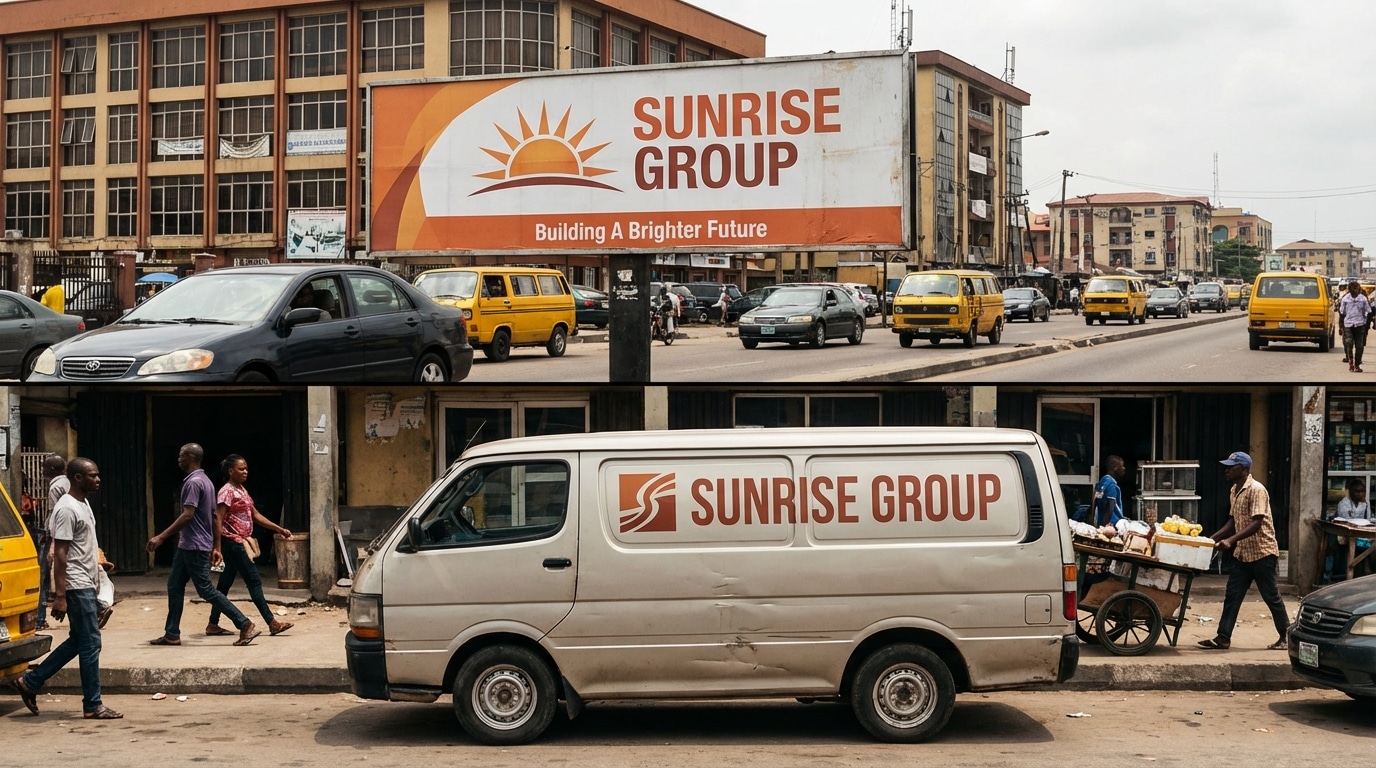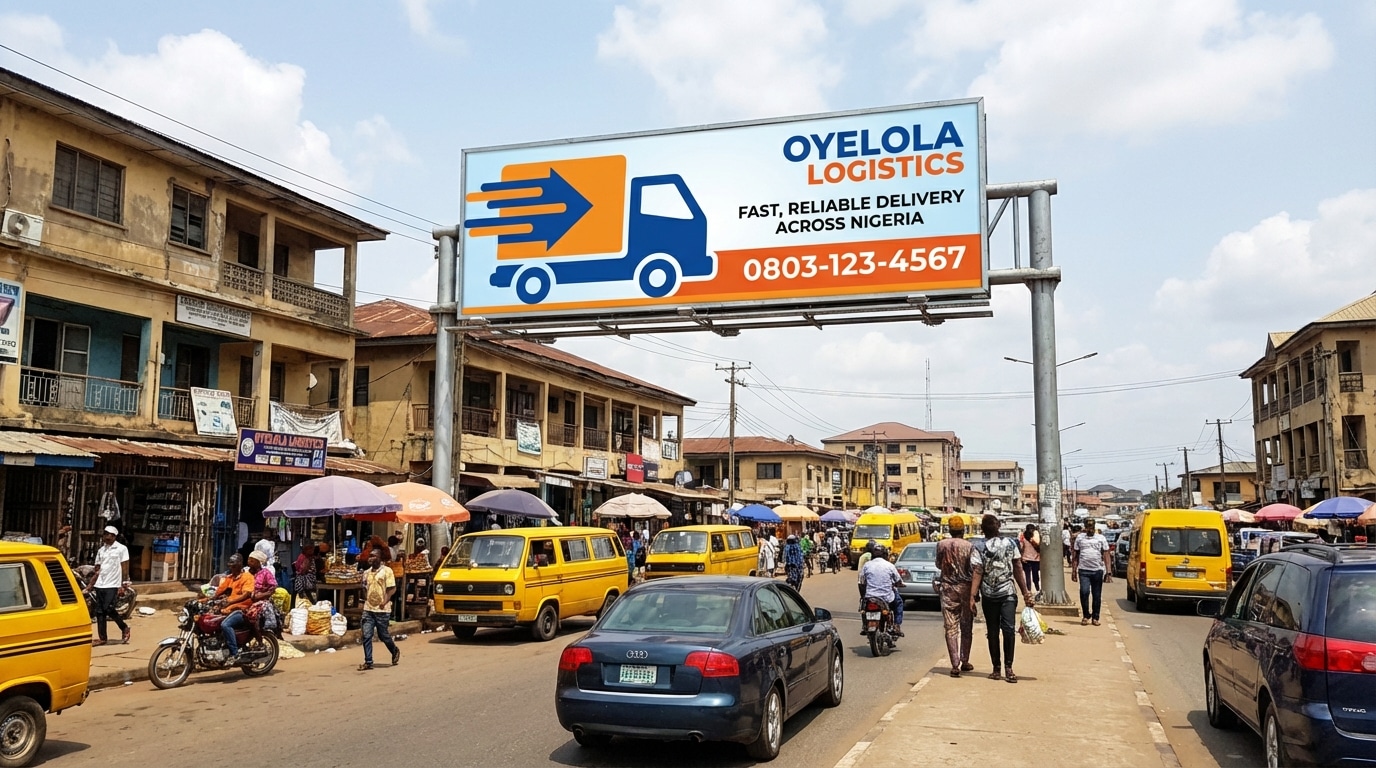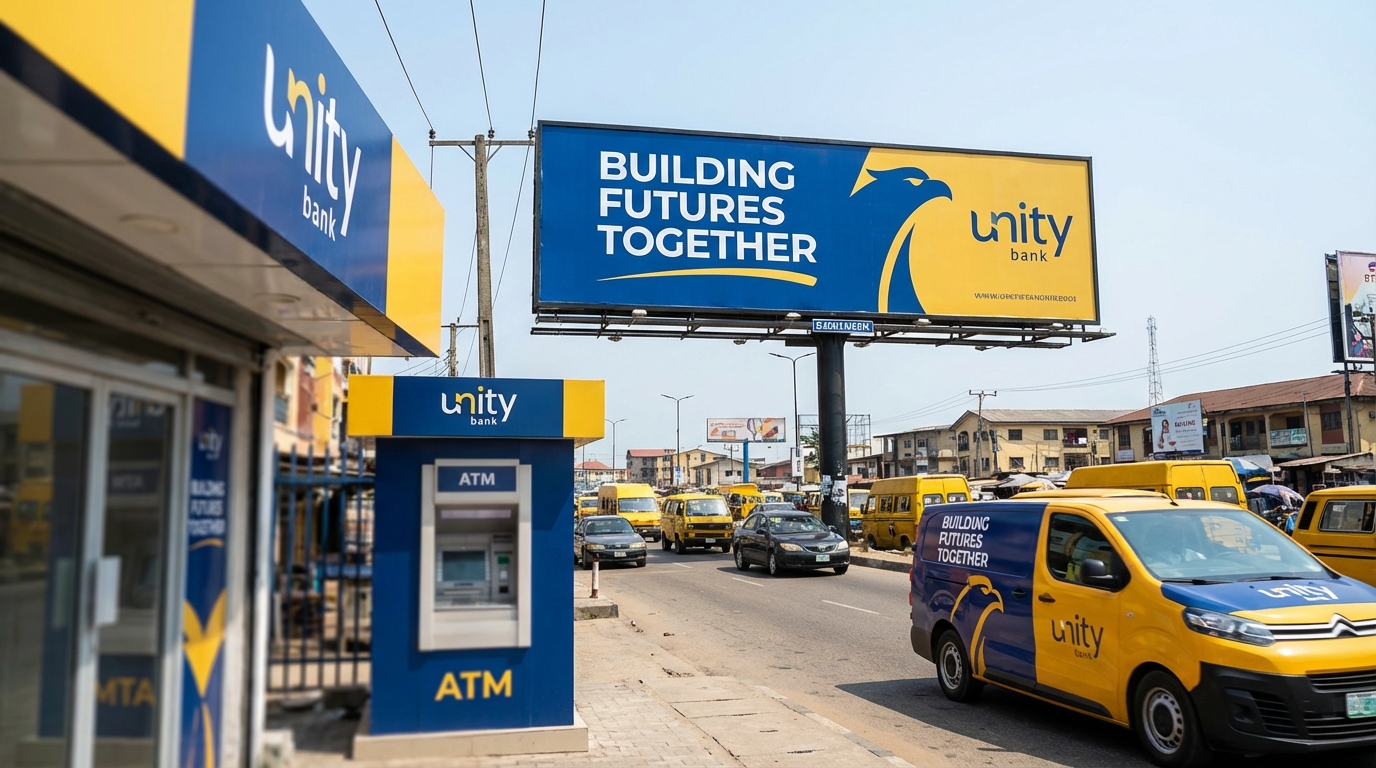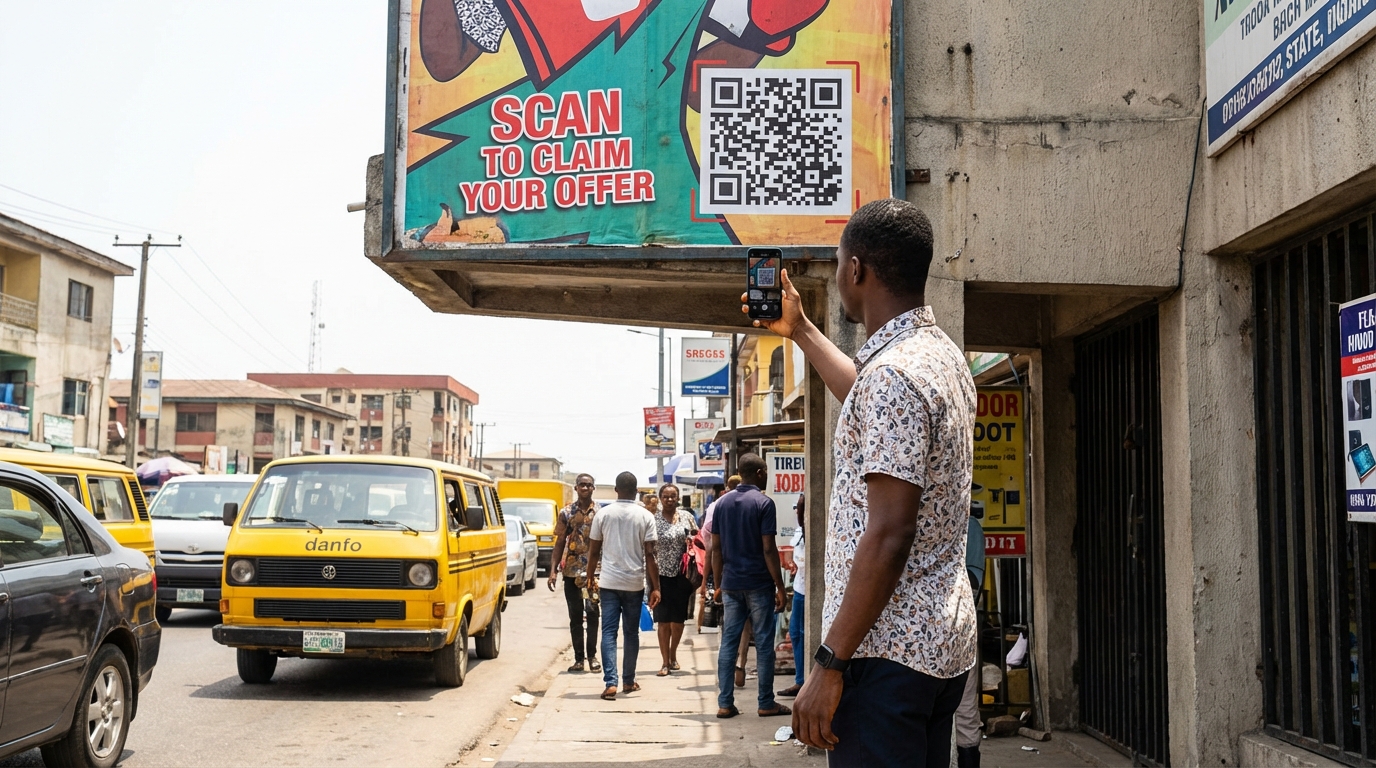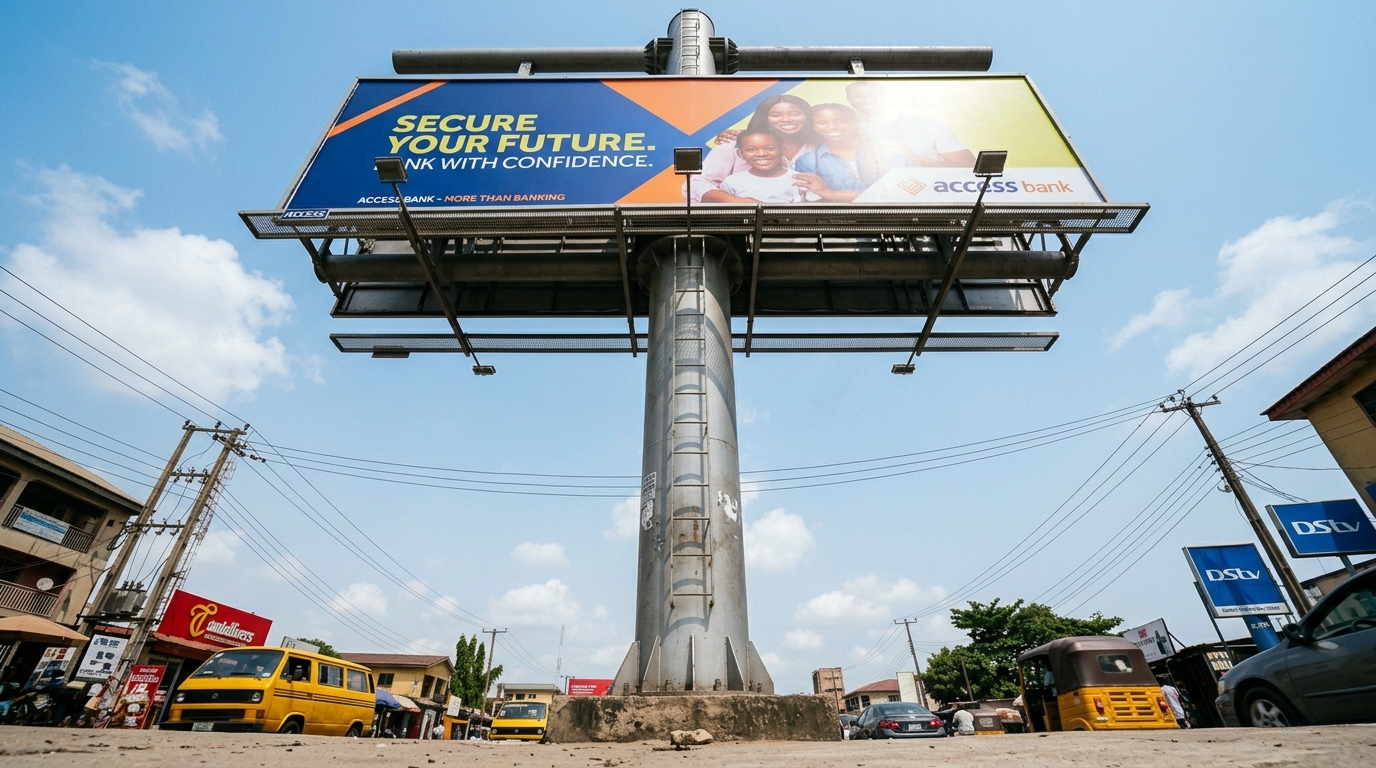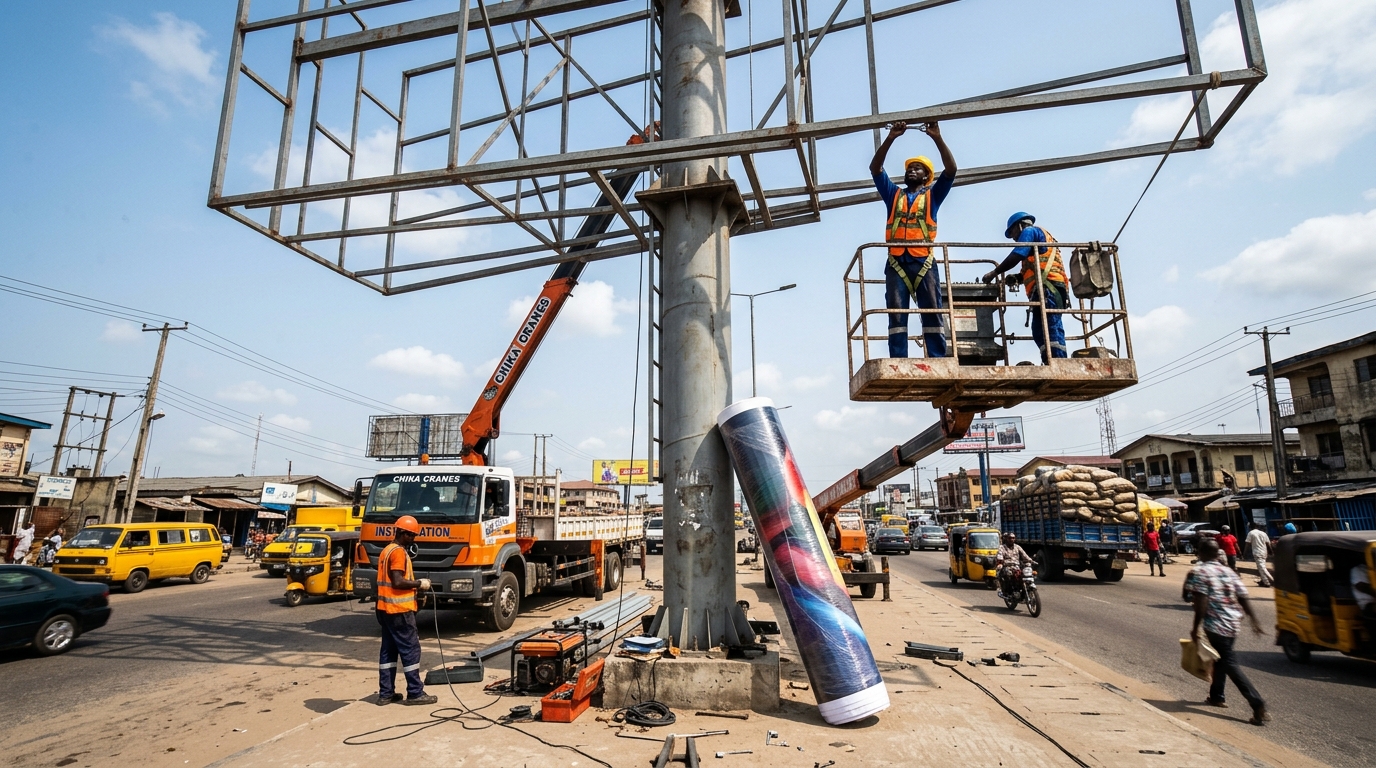

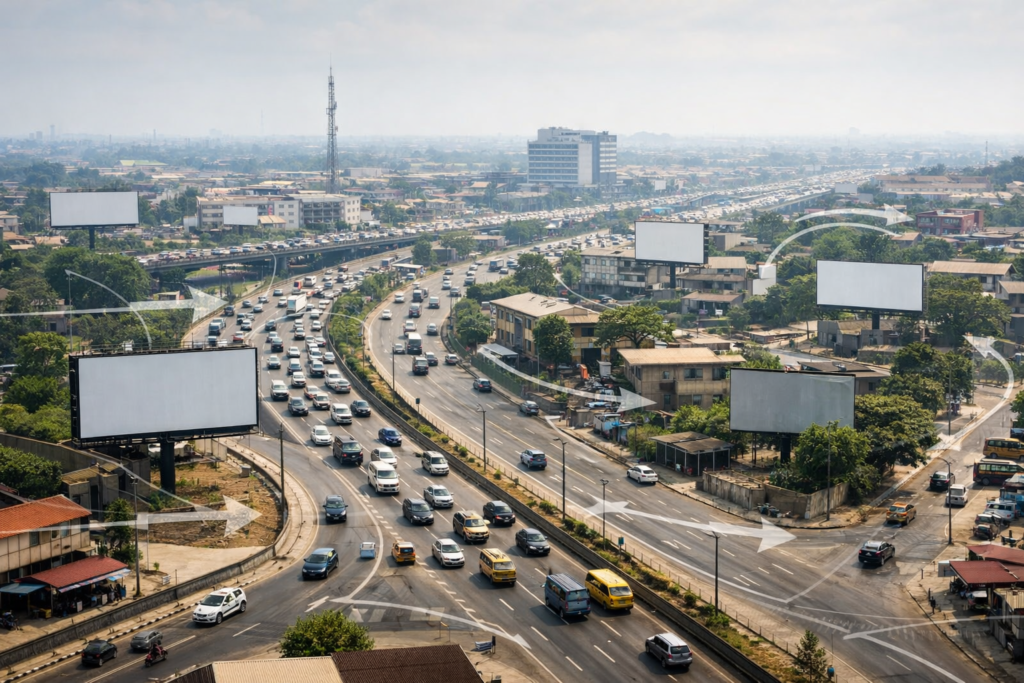
If you live in Nigeria, you don’t have to look far to see a billboard. You see them on your way to work, while stuck in traffic, or even when you’re just stepping out to buy something.
Some catch your attention instantly, while others feel invisible, even though they’re just as big.
The difference is rarely about size or design alone. In most cases, it comes down to where the billboard is placed.
A well-designed billboard in the wrong location can be a complete waste of money, while a simple one in the right spot can stay in people’s minds for a long time.
In this article, you’ll learn how to choose the best place to put a billboard in Nigeria. I’ll break down what really matters when picking a location, explain common mistakes to avoid, and walk you through practical steps that help you make smarter decisions.
Why Billboard Location Matters More Than Design
A good design can catch the eye, but only if people actually see it. This is where many billboard campaigns go wrong. They spend time and money on colours, fonts, and visuals, but overlook where the billboard will be placed.
Visibility simply means a billboard can be seen. Effectiveness means the message is actually noticed and remembered.
A billboard might be visible from far away, but if it’s placed on a road where cars move too fast, or hidden among too many signs, the design won’t matter. People will pass by without taking anything in.
This is why even well-designed billboards fail in bad locations. If drivers have only a second to glance at the board, or if buildings, trees, or other signs block the view, the message gets lost. No matter how creative the design is, poor placement can cancel out its impact.
In billboard advertising, location sets the stage. When the placement is right, the design works harder. When it’s wrong, even the best design struggles to perform.
Understanding Billboard Audience Movement in Nigeria
People move in fairly predictable ways. Most daily routines follow the same paths: home to work, school runs, market trips, and regular business routes. Billboard advertising works best when it taps into these everyday movements.
Common audience movement patterns include:
- Morning and evening work commutes
- School drop-off and pick-up routes
- Roads leading to markets, malls, and business hubs
- Regular commercial and service routes
Work, school, and commercial routes matter because they bring the same people past the same locations repeatedly. When a billboard sits along these routes, it’s not just seen once; it becomes familiar over time.
That repetition is key:
- First view: people notice it
- Repeated views: the message starts to stick
- Over time: the brand feels familiar and trustworthy
When billboard placement follows how people actually move, the message feels natural instead of forced. That’s why understanding audience movement is one of the most important steps in choosing the right billboard location in Nigeria.
Traffic Flow and Viewing Time
Not all traffic gives the same value to a billboard. How fast or slow people move past a billboard affects how much time they have to actually see and understand the message.
Slow traffic works in your favour because:
- Drivers and passengers have more time to notice the billboard
- The message can be read fully, even without trying
- Repeated stops increase recall
Fast-moving roads come with challenges:
- People have only a few seconds to glance at the board
- Long messages are easily missed
- Poor placement becomes more obvious
This is why highways and urban roads serve different purposes.
Highways work best when:
- The message is short and bold
- The billboard has a clear sightline from a distance
- The goal is broad awareness, not detailed information
Urban roads perform better when:
- Traffic moves slowly or stops often
- The audience passes the same route daily
- The message benefits from repetition
Understanding traffic flow helps you decide not just where to place a billboard, but what kind of message will work in that location.
Billboard Placement in Lagos vs Other Nigerian Cities
Lagos is often the first place people think of when it comes to billboard advertising, largely because of its traffic density. Long hours on the road mean more viewing time and more repeated exposure.
Routes like Third Mainland Bridge, Victoria Island, Ikeja, and the Lekki–Epe Expressway are examples of corridors where the same people pass daily, making them powerful for awareness-driven campaigns.
In other cities, movement tends to be more predictable. In places like Wuse and Garki, in Abuja, traffic flows through fewer major routes, and daily routines are more structured.
Traffic Density in Lagos
Lagos traffic is slow, crowded, and often unavoidable. People spend long stretches on the same roads every day, staring ahead while waiting for movement. This creates natural viewing time for billboards.
When a board is placed on a major Lagos route, it doesn’t rely on glances; it benefits from repeated, unplanned attention. Over time, the message becomes familiar simply because people can’t avoid seeing it.
Audience Diversity
Lagos brings everyone together. Office workers, traders, students, professionals, and business owners all pass through the same spaces, but at different times and for different reasons.
This diversity can be a strength or a weakness. A billboard in Lagos can reach a wide mix of people, but only if the message is clear and relevant. Without a clear audience in mind, even a busy location can feel unfocused.
Predictability in Smaller Cities
In many other cities in Nigeria, movement is calmer and more predictable. Fewer major roads carry most of the daily traffic, and people tend to follow the same routines with less variation.
While the crowd may be smaller, the consistency can be powerful. A billboard placed along a key route in a smaller city often reaches the same audience again and again, making it easier to build familiarity within a specific group.
Choosing Between Highway and Urban Billboard Locations
Highway and urban billboards serve different purposes. Choosing between them depends on what you want your campaign to achieve, not which one looks more impressive.
Highway Billboards: Pros and Limits
Highway billboards are built for scale. They are usually large, elevated, and visible from a distance, making them hard to miss.
Pros:
- Reach a large number of people daily
- Strong visibility over long distances
- Effective for broad brand awareness
Limits:
- Vehicles move fast, so viewing time is short
- Messages must be very simple and bold
- Not ideal for detailed or complex information
Highway billboards work best when the goal is to get a name or message seen, not explained.
City / Urban Billboards: Pros and Limits
Urban billboards are placed within cities, often along busy streets, junctions, or commercial areas where movement is slower.
Pros:
- Longer viewing time due to traffic and stops
- Better for repeated daily exposure
- Allows slightly more detailed messaging
Limits:
- The reach may be smaller compared to highways
- Can be affected by visual clutter
- Placement quality varies widely by area
Urban billboards shine when repetition and familiarity matter more than sheer numbers.
Matching Location to Campaign Goals
The right choice becomes clearer when you start with your goal:
- If you want mass awareness, highways often work better
- If you want a steady recall, urban routes usually perform best
- If the message is simple and bold, highways are suitable
- If the message needs time to sink in, city placements are safer
Instead of asking which location is “better,” the smarter question is: What do I want people to remember after seeing this billboard?
Step-by-Step Guide to Choosing the Best Billboard Location in Nigeria
At this point, you understand why location matters. Now let’s turn that understanding into action. These steps help you move from guessing to making informed billboard decisions that actually work.
Step 1: Know Your Goals
Before thinking about roads or locations, be clear on what you want the billboard to achieve. Different goals require different placements.
Common billboard goals include:
- Awareness: Letting people know you exist
- Promotion: Pushing an offer or campaign
- Product or brand launch: Making a strong first impression
- Recall: Staying top of mind
Your goal influences everything. A launch may need a high-traffic area, while a recall may work better on a route people pass every day.
Step 2: Choose the Right Location (and the Right Billboard Type)
Once your goal is clear, the next step is matching it to how your audience moves.
This is also where billboard type comes in:
- Static billboards work well for long-term visibility
- Digital billboards suit promotions and time-based messages
The location and the type of billboard should support each other, not compete.
Step 3: Contact a Billboard Agency
Billboard placement in Nigeria isn’t something most businesses should handle on their own. Agencies understand location, timing, and coordination in ways that save time and money.
This is where Oxbillboards comes in, helping with:
- Location advice based on campaign goals
- Billboard banner design that fits the placement
- Coordinating the full process from planning to execution
Working with the right agency reduces guesswork and costly mistakes.
Step 4: Get Legal Approvals
Billboards in Nigeria require proper approvals from ARCON. Skipping this step can delay campaigns or force boards to be taken down.
Approvals matter because:
- They keep campaigns compliant
- They prevent unexpected disruptions
- They protect your investment
Without approvals, even the best location can turn into a setback.
Step 5: Design a Billboard That Pops
A billboard is usually seen at speed or from a distance, so the design must work fast.
Good billboard design focuses on:
- Clear, readable text
- Strong contrast
- One main message
Step 6: Budget Smartly
Spending more doesn’t always mean better results. Many campaigns fail because too much money goes into one expensive location without enough time to build recall.
Smart budgeting means:
- Choosing locations you can afford for longer durations
- Avoiding overspending on prestige alone
- Planning for consistency, not just appearance
Duration often matters more than hype.
Step 7: Monitor Your Billboard
Once the billboard goes live, don’t forget about it. Pay attention to how it performs in the real world.
Things to observe include:
- How visible it is at different times of day
- Whether people mention or recognize it
- What you’d improve next time
Every campaign is a learning opportunity that helps you choose better locations in the future.
Combine Billboard Advertising With Digital Marketing
Billboards work even better when they don’t stand alone. While a billboard builds awareness in the physical world, digital marketing helps continue the conversation online.
Billboards spark curiosity. Someone sees a brand name repeatedly on their daily route, then later searches for it, follows the brand on social media, or clicks on an ad when it shows up online. That connection between offline and online is where stronger results often happen.
You can turn billboard awareness into online engagement by:
- Using a simple brand name that people can easily search
- Supporting the billboard with social media ads or Google ads
- Making sure your website and online presence are ready when people look you up
This is where digital marketing becomes the support layer. While the billboard creates visibility, digital channels help capture interest, answer questions, and guide people toward action.
Oxgital plays this role by helping brands bridge the gap between outdoor visibility and online engagement, ensuring billboard campaigns don’t end at the roadside.
Common Billboard Location Mistakes to Avoid
Even with good intentions, many billboard campaigns fail because of a few common mistakes. Knowing what to avoid can save time, money, and frustration.
Choosing popularity over relevance
A location can be popular and still be wrong for your campaign. Just because a road is busy doesn’t mean it carries your target audience. When relevance is ignored, exposure turns into wasted impressions.
Ignoring traffic direction
Billboards are often seen differently depending on traffic flow. A board facing the wrong direction may miss its intended audience entirely. Always consider where traffic is coming from and where it’s going, not just how busy the road looks.
Copying competitors blindly
Seeing a competitor’s billboard in a location doesn’t automatically mean it’s working for them, or that it will work for you. Different businesses have different goals, audiences, and budgets. Copying without understanding the reason behind the placement is risky.
Avoiding these mistakes helps billboard advertising become intentional rather than accidental.
Conclusion
Choosing the best place to put a billboard in Nigeria comes down to understanding people, movement, and purpose. Location matters more than size, traffic matters more than hype, and repetition matters more than one-time exposure.
The most effective billboard campaigns are planned with a strategy. When location decisions are based on audience movement, traffic flow, budget, and clear goals, billboard advertising becomes a reliable visibility tool rather than a gamble.
For businesses looking to run smarter billboard campaigns, working with a team that understands location strategy and execution can make the process easier. Oxbillboards helps brands plan billboard placements that align with real-world movement and marketing goals.