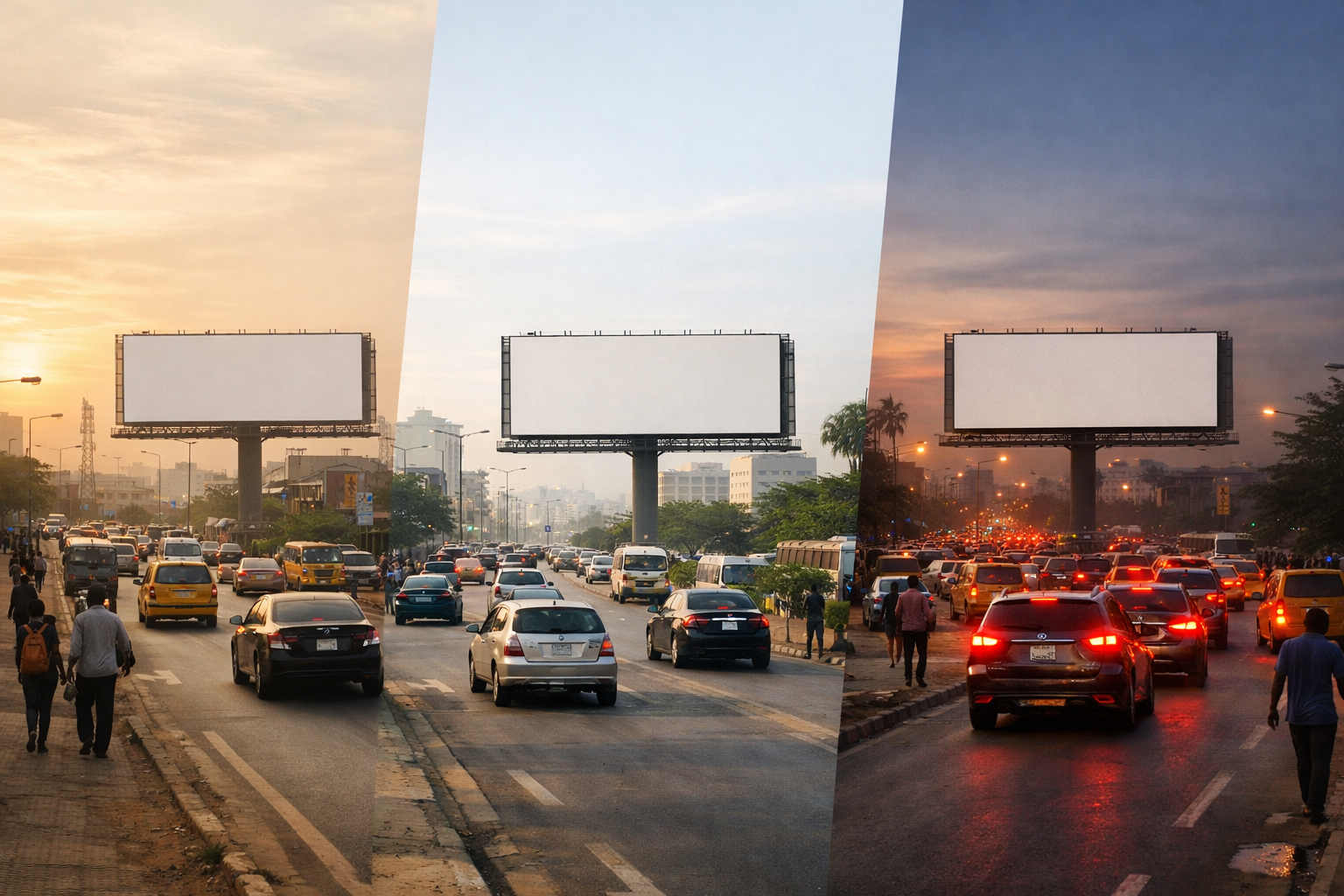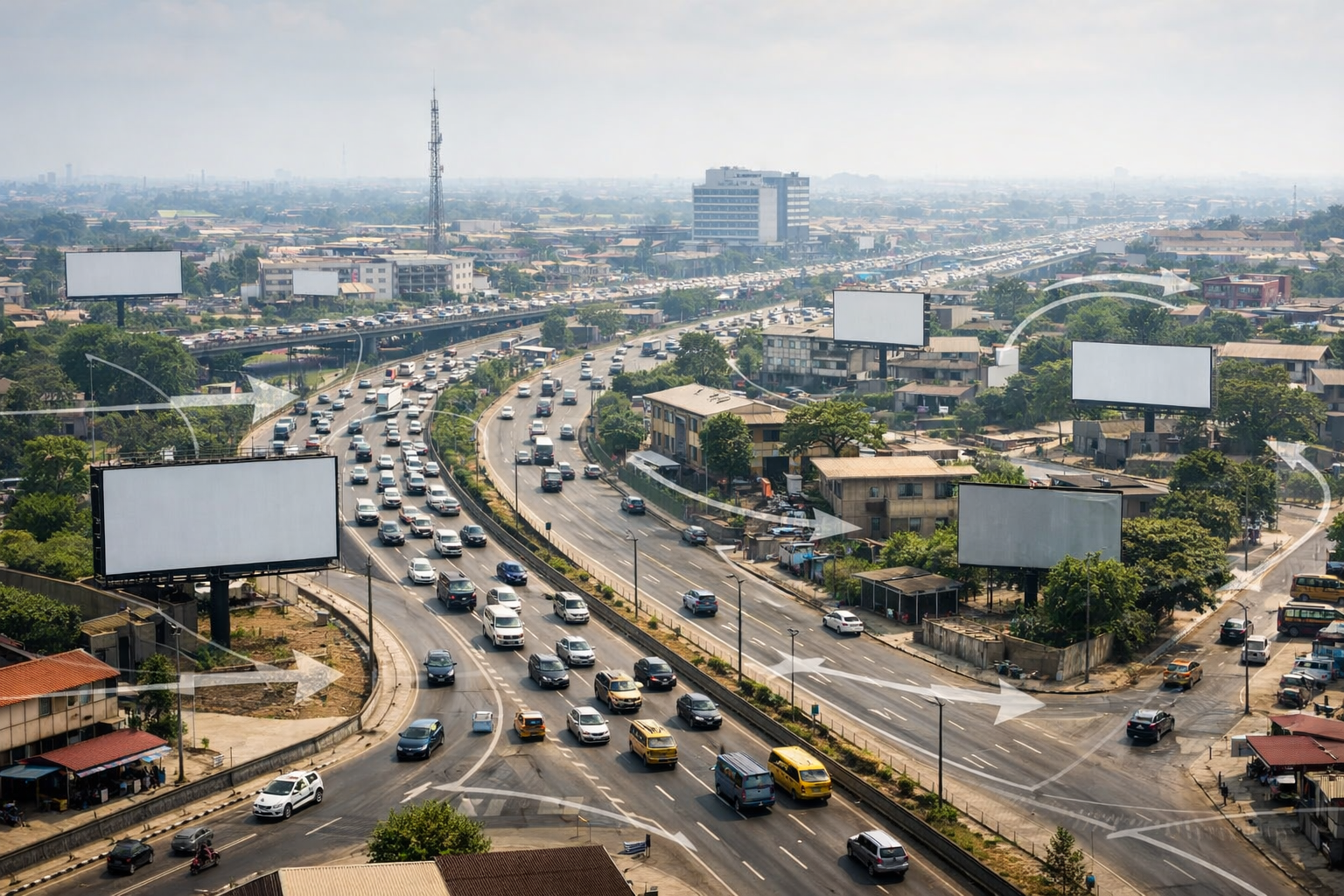


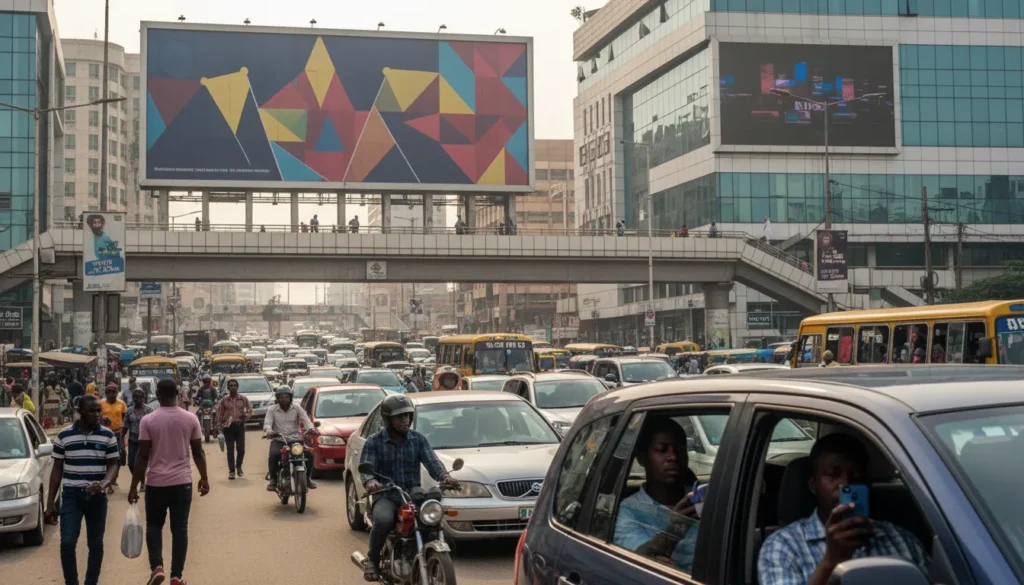
A lot of people think billboards should have disappeared by now.
With social media, online ads, and endless screens everywhere, it’s easy to assume big roadside boards no longer matter.
Yet brands are still spending real money on billboard advertising in 2026, and not by accident.
Billboards haven’t survived because they’re old; they’ve survived because they still work in the real world.
In this article, I’ll break down why billboard advertising remains effective today, how people actually respond to it, and why it continues to hold its place alongside digital marketing.
The Myth That Billboard Advertising Is Outdated
The idea that billboard advertising is outdated usually comes from how fast digital platforms have grown.
Social media ads, search ads, and influencer content change every day, so anything that doesn’t update instantly can feel “old” by comparison. Over time, that has created the impression that billboards belong to the past.
But old doesn’t mean ineffective. Roads haven’t disappeared. People still commute, sit in traffic, and move through the same public spaces every day.
As long as people are outside their homes, offline visibility still matters. Billboards don’t compete with digital ads in the same way, they work alongside them by staying present in the real world.
Offline visibility shapes behaviour in subtle ways. People may not click on a billboard, but they recognize the brand when they see it again online or hear it mentioned elsewhere.
Familiarity builds through repeated exposure, and that process hasn’t changed, even in 2026.
What has changed is how billboard advertising is planned. Better locations, smarter placement, and clearer messaging have replaced the guesswork of the past. The medium isn’t outdated, it’s simply adapted to how people live and move today.
How People Actually Consume Advertising Today
The way people interact with advertising has changed, but not always in the way many assume.
Digital Fatigue and Ad Blindness
People online are exposed to ads constantly. Videos get skipped, banners get ignored, and notifications are dismissed without a second thought.
Over time, this creates fatigue. Many people don’t even register ads anymore, they scroll past them on autopilot.
Short attention spans make this worse. Messages compete with dozens of other things on the screen, and most of them never get a real moment of focus. Being seen online doesn’t always mean being noticed.
Why Physical Ads Feel Less Intrusive
Billboards work differently because they don’t interrupt. There are no pop-ups, no forced clicks, and no pressure to act immediately. The message is simply there, in the background of everyday life.
Because people aren’t being interrupted, physical ads often feel more natural. They’re noticed casually, without resistance, which makes the message easier to accept and remember over time.
Visibility and Repetition Still Win
While platforms change, the basics of human attention stay the same.
Daily Exposure in Real-Life Settings
People move through the same spaces every day, roads, junctions, bus stops, and traffic-heavy routes. When a billboard sits along these routines, it becomes familiar.
Even without conscious effort, the message sinks in through repeated exposure.
This is especially true in cities where commuting patterns are predictable, and traffic slows movement.
Why Repetition Builds Recall Better Than Clicks
A click happens once. Familiarity builds over time. Seeing a brand repeatedly in the same place makes it easier to recognize and trust, even if there’s no immediate action.
In many cases, people remember what they’ve seen regularly, not what they searched for once. That’s why repetition in the real world often outperforms quick online impressions when it comes to long-term brand recall.
Billboard Advertising in Nigeria Still Has Unique Advantages
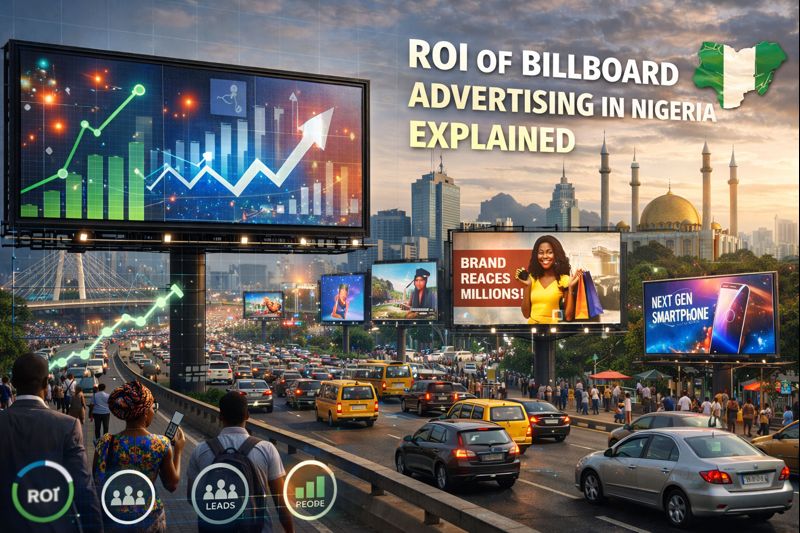
Billboard advertising works differently in Nigeria because of how cities are structured and how people move every day.
Traffic Congestion and Viewing Time
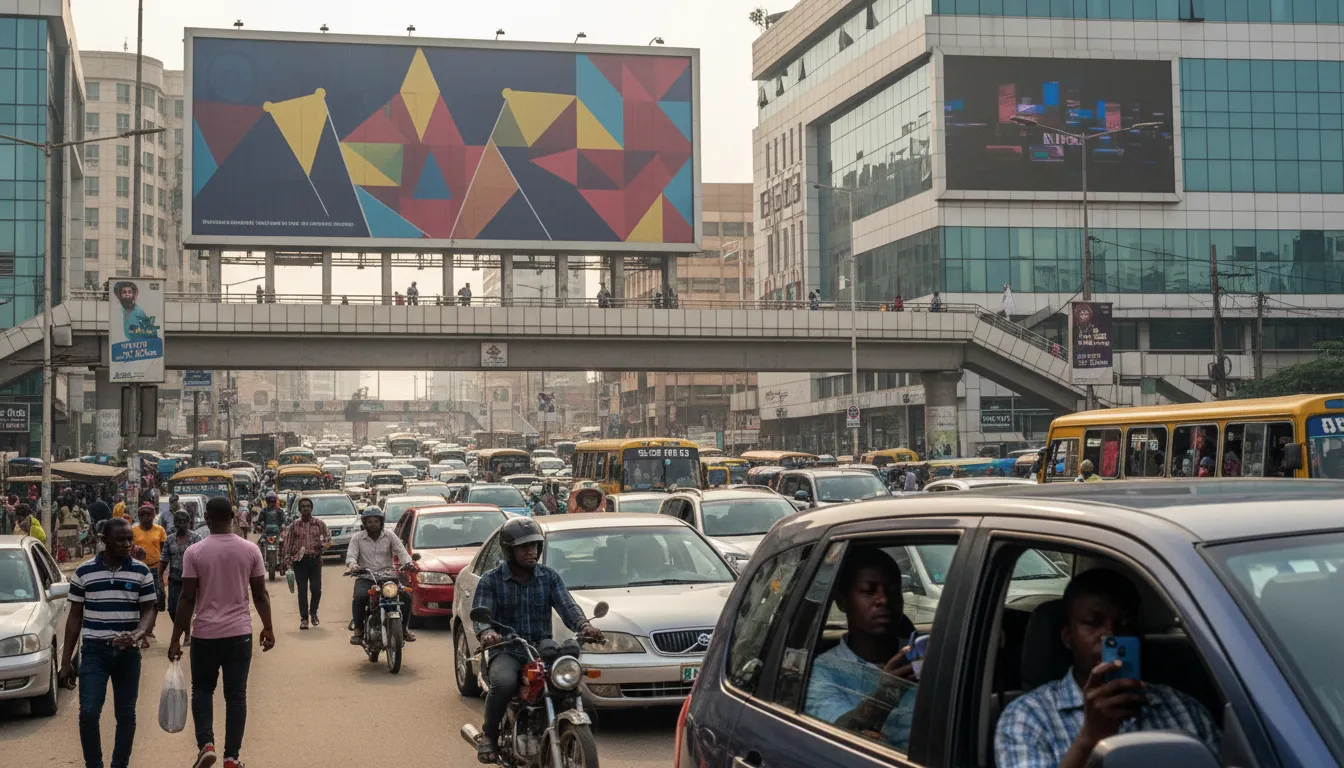
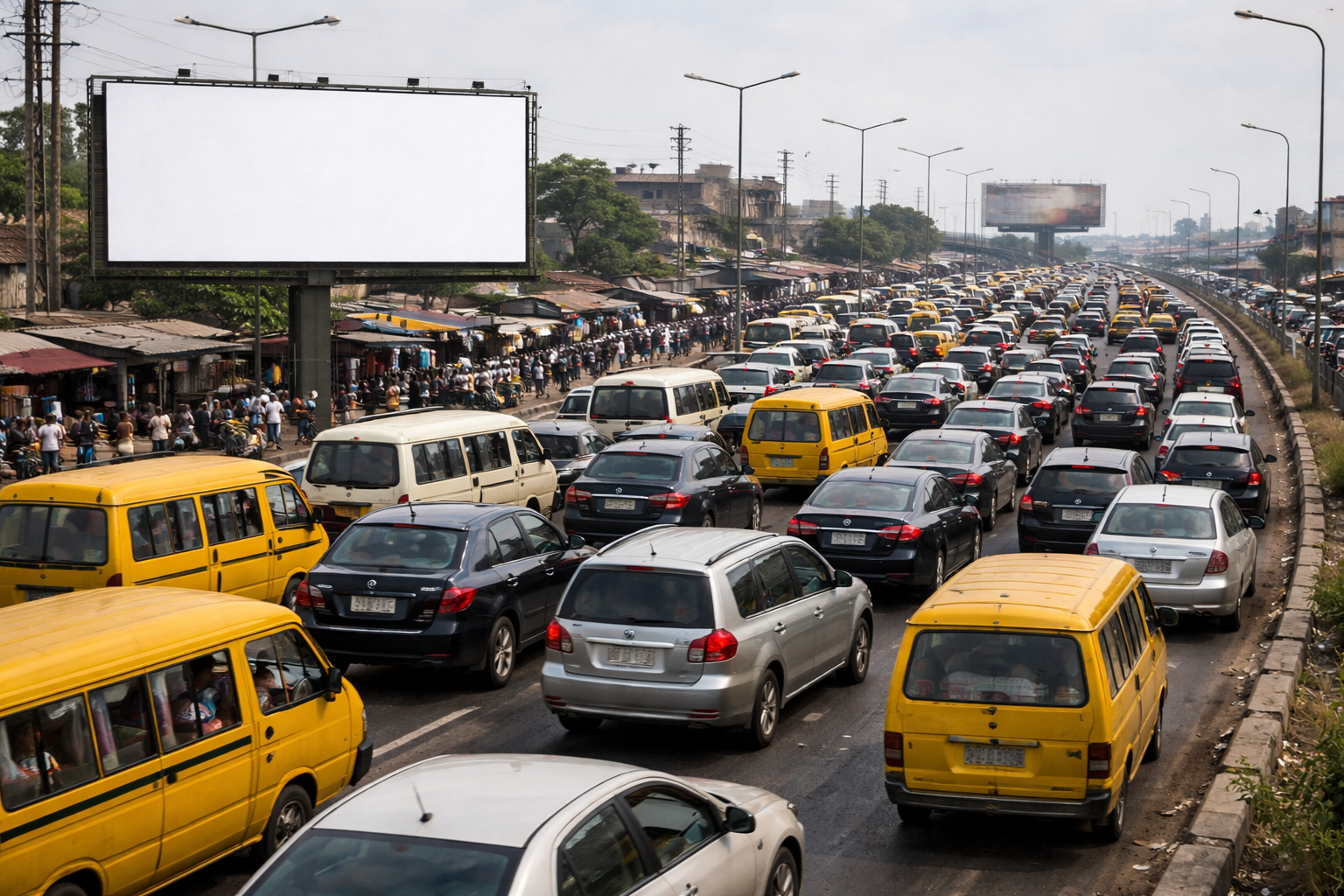
In places like Lagos, traffic congestion isn’t an exception, it’s the norm. Long hours on the road mean people spend more time looking ahead, waiting, and moving slowly.
This creates longer viewing time for billboards without requiring any extra effort from the audience.
Slower movement naturally increases exposure. When cars move slowly or stop completely, billboards stop being background objects and become part of what people are staring at.
This repeated, unhurried exposure helps messages stick far more easily than quick flashes at speed.
Urban Density and Shared Routes
Some cities in Nigeria are built around a few major routes. Large numbers of people use the same roads daily to get to work, school, markets, and business districts. This means the same audience sees the same billboards repeatedly.
That predictability is a major advantage. Instead of chasing attention across multiple platforms, billboard advertising stays planted where people already pass every day.
Over time, familiarity builds naturally because the message becomes part of the environment.
Billboards vs Digital Ads in 2026
Digital advertising dominates conversations, but billboards still hold a different kind of value.
Billboards tend to feel more trustworthy because they exist in physical space. Seeing a brand displayed publicly, day after day, gives it a sense of legitimacy that quick online ads often lack.
There’s also a difference in longevity. Digital ads appear and disappear instantly, sometimes within seconds. Billboards stay visible for weeks or months, reinforcing the same message consistently. That steady presence helps brands remain top of mind.
This is why many brands don’t choose one over the other. They use billboards for visibility and recall, while digital ads handle targeting and follow-up. Together, they cover both attention and action, online and offline.
The Evolution of Billboard Advertising
Billboard advertising hasn’t stayed the same. What’s changed over the years isn’t the idea of billboards, but how they’re used.
Digital and LED Billboards
Digital and LED billboards have added flexibility to outdoor advertising. Instead of one fixed message, brands can display motion, rotate content, or update messages without changing the structure itself.
Movement naturally attracts the eye, especially in busy areas, making these formats useful for announcements, promotions, and time-based campaigns.
They also allow brands to adjust messaging depending on the time of day or traffic patterns, which wasn’t possible with traditional static boards.
Better Placement and Data-Driven Location Choices
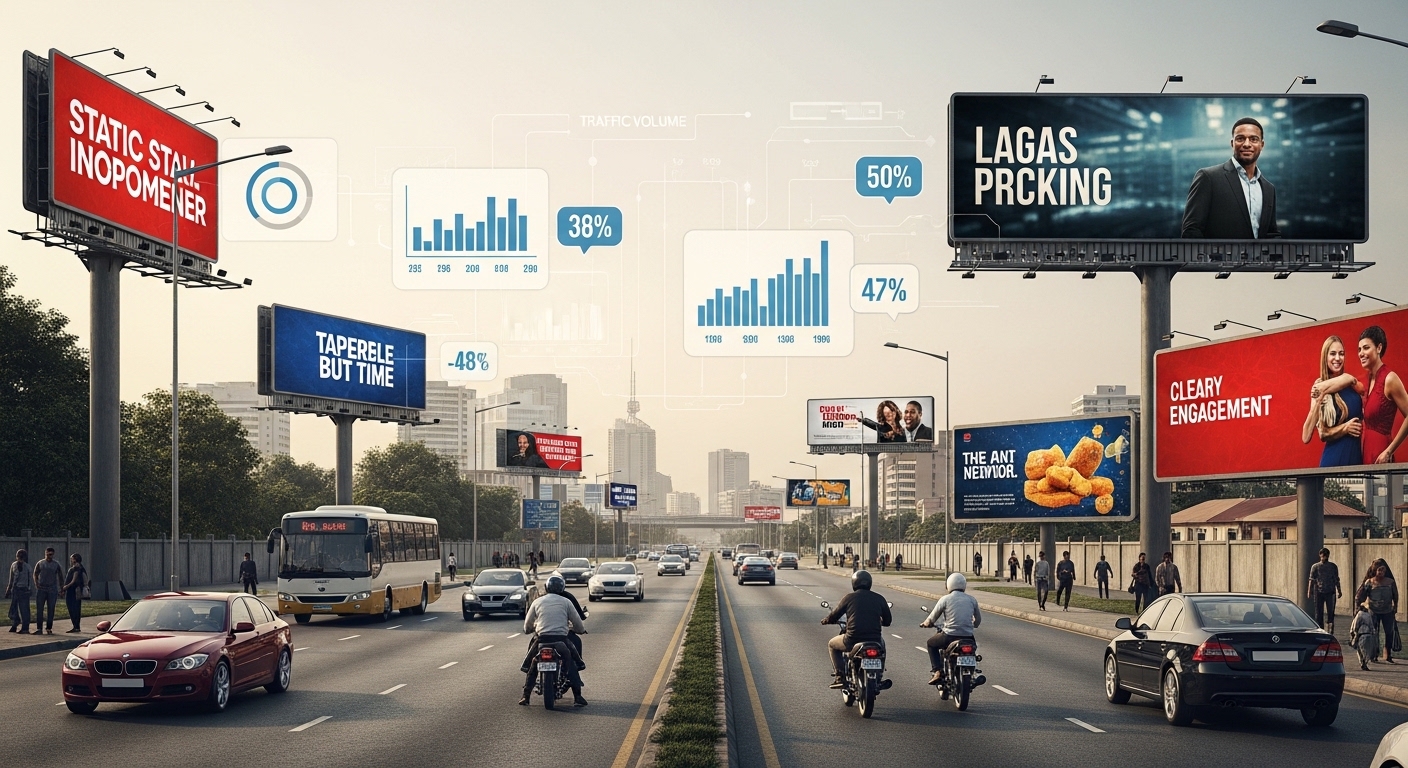
Placement decisions today are far more intentional than they used to be. Instead of guessing, billboard locations are now chosen based on traffic behaviour, audience movement, and visibility.
This smarter planning reduces guesswork. Brands are no longer paying just to “be somewhere,” but to be seen in the right places, at the right time, by the right people.
Why Brands Still Invest in Billboard Advertising
Despite all the new marketing channels available, billboards remain part of serious advertising plans for a reason.
Brand Presence and Authority
Being visible in public spaces carries weight. When people see a brand consistently displayed on major roads or busy routes, it creates a sense of presence. The brand feels established, familiar, and credible simply because it’s seen regularly in the real world.
This kind of visibility is difficult to replicate online, where ads appear briefly and disappear just as quickly.
Supporting Larger Marketing Campaigns
Billboards rarely work alone. They’re often used to support bigger campaigns like product launches, promotions, or brand awareness efforts.
A billboard reinforces messages people may later see online, on social media, or through word of mouth. It keeps the brand visible while other channels handle engagement, making the overall campaign feel more connected and complete.
When Billboard Advertising Works Best in 2026
Billboard advertising works best when it’s used for the right purpose. It’s especially effective for brand awareness, where the goal is to stay visible and familiar rather than drive instant action. Seeing the same message repeatedly in everyday settings helps brands settle into people’s minds over time.
Long-term visibility also plays a big role. Billboards are most effective when they’re allowed to run long enough for repetition to do its job.
High-traffic locations bring everything together. When a billboard sits along routes people use daily, especially where traffic slows down, it benefits from consistent exposure.
In these situations, the billboard doesn’t need to fight for attention; it becomes part of the environment.
Common Reasons Billboard Campaigns Fail (And Why the Medium Isn’t the Problem)
When billboard campaigns don’t deliver, the issue is rarely the medium itself. More often, it comes down to how the campaign was planned.
Poor placement is a common problem. A billboard can look impressive, but still underperform if it’s placed where traffic moves too fast, or visibility is limited.
Short duration is another issue. Ending a campaign too early usually means stopping before people have had enough time to recognize and remember the message.
Wrong expectations also play a role. Billboards aren’t designed for instant clicks or quick feedback. When success is judged too soon, campaigns can be labeled as failures even when they were starting to work.
When these factors are addressed, billboard advertising remains a reliable and effective channel, even in 2026.
Conclusion
Billboard advertising hasn’t disappeared. It has simply adjusted to how people live, move, and consume information today. Roads are still busy, routines still exist, and brands still need to be seen outside of screens.
Physical visibility continues to matter in a world dominated by digital ads. Seeing a brand in public spaces builds familiarity and trust in a way online impressions often can’t achieve on their own. That steady, real-world presence is why billboards remain part of serious marketing plans in 2026.
For brands looking to use billboard advertising strategically, understanding placement, duration, and traffic behaviour makes all the difference. Oxbillboards helps businesses plan outdoor campaigns that fit modern realities and give messages the time and visibility they need to work.
Read More:
How Traffic Patterns Affect Billboard Performance in Nigeria
How Long Should You Run a Billboard Campaign?
Billboard Advertising in Nigeria: All Questions Answered