
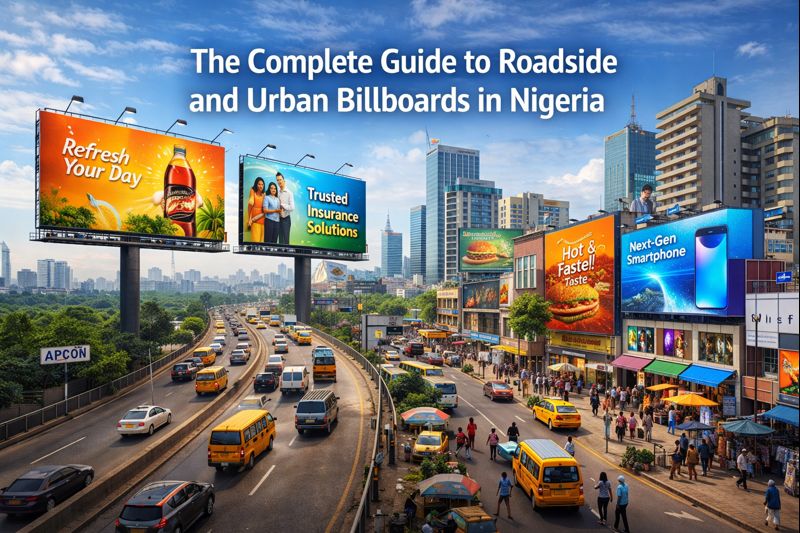
Billboard advertising remains one of the most visible and influential marketing channels in Nigeria. Marketers, business owners, and brand managers deploy billboards to reach large audiences on highways, in city centers, and in high‑traffic commercial districts. While the medium is broadly categorized as out‑of‑home (OOH) advertising, there are important differences between roadside billboards and urban billboards that every advertiser should understand.
Each type delivers unique benefits and challenges. Knowing which one to choose, how they function, and how much they cost will determine whether your campaign achieves visibility, resonates with your audience, and delivers measurable impact. This article lays out everything you need to know.
Introduction to Billboards in Nigeria
In Nigeria, billboards are found in every major city, from Lagos and Abuja to Port Harcourt, Kano, and Enugu. They appear along highways and expressways, but also along busy streets, near shopping centers, and in business districts. Billboards are used to influence brand awareness and support marketing objectives for products ranging from consumer goods to financial services and public awareness campaigns.
Billboard advertising is a form of outdoor media where a brand’s message is displayed on a large physical board designed to be seen by people outside their homes. These messages are static or dynamic, depending on the technology, and aim to reach people as they travel through public spaces.
Despite the rise of digital marketing, billboards continue to play a key role in the media mix in Nigeria because of three key strengths:
- Wide Exposure: Billboards can reach millions of people who commute daily, shop, or move through urban corridors.
- High Recall: Because billboards are large and continuously visible, they are difficult for people to ignore.
- Brand Presence: Billboards reinforce brand visibility in a physical way that complements online and broadcast campaigns.
What Are Roadside Billboards?
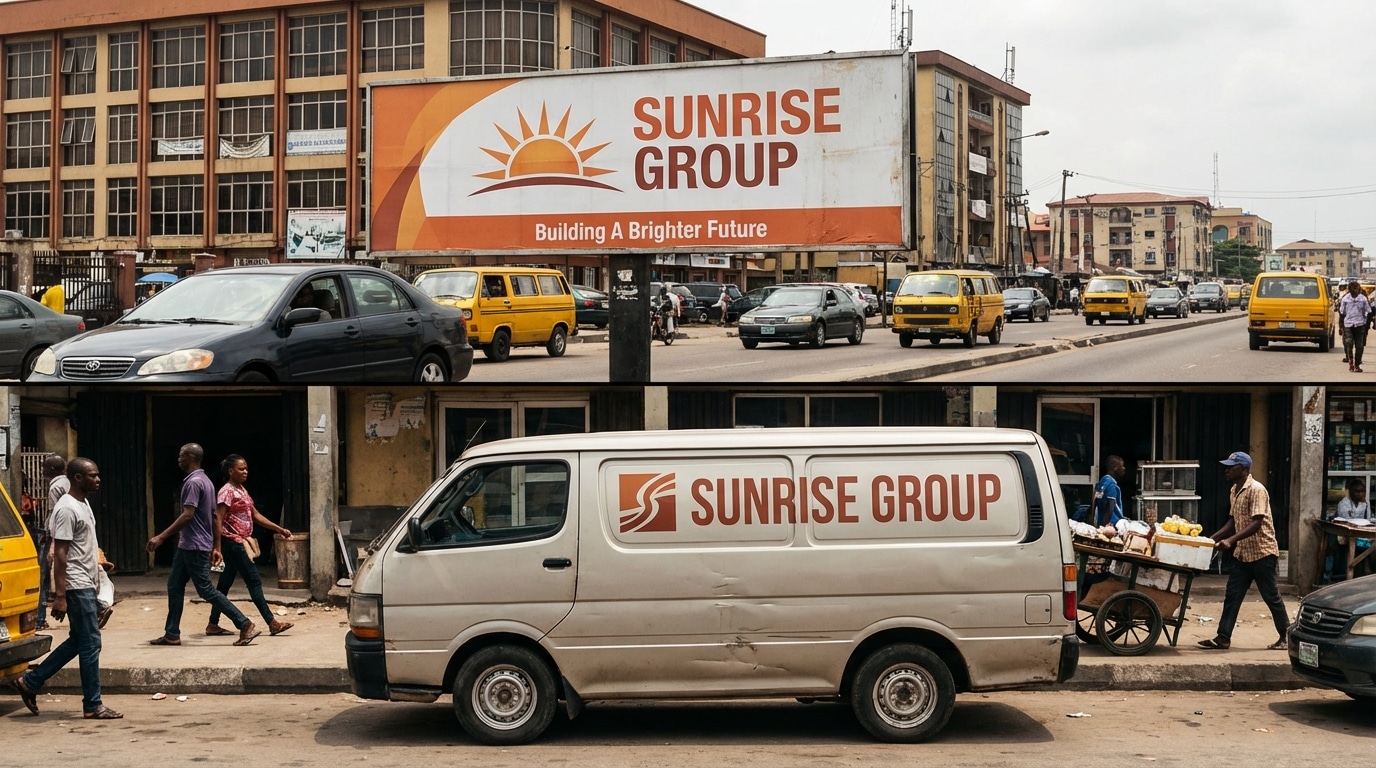
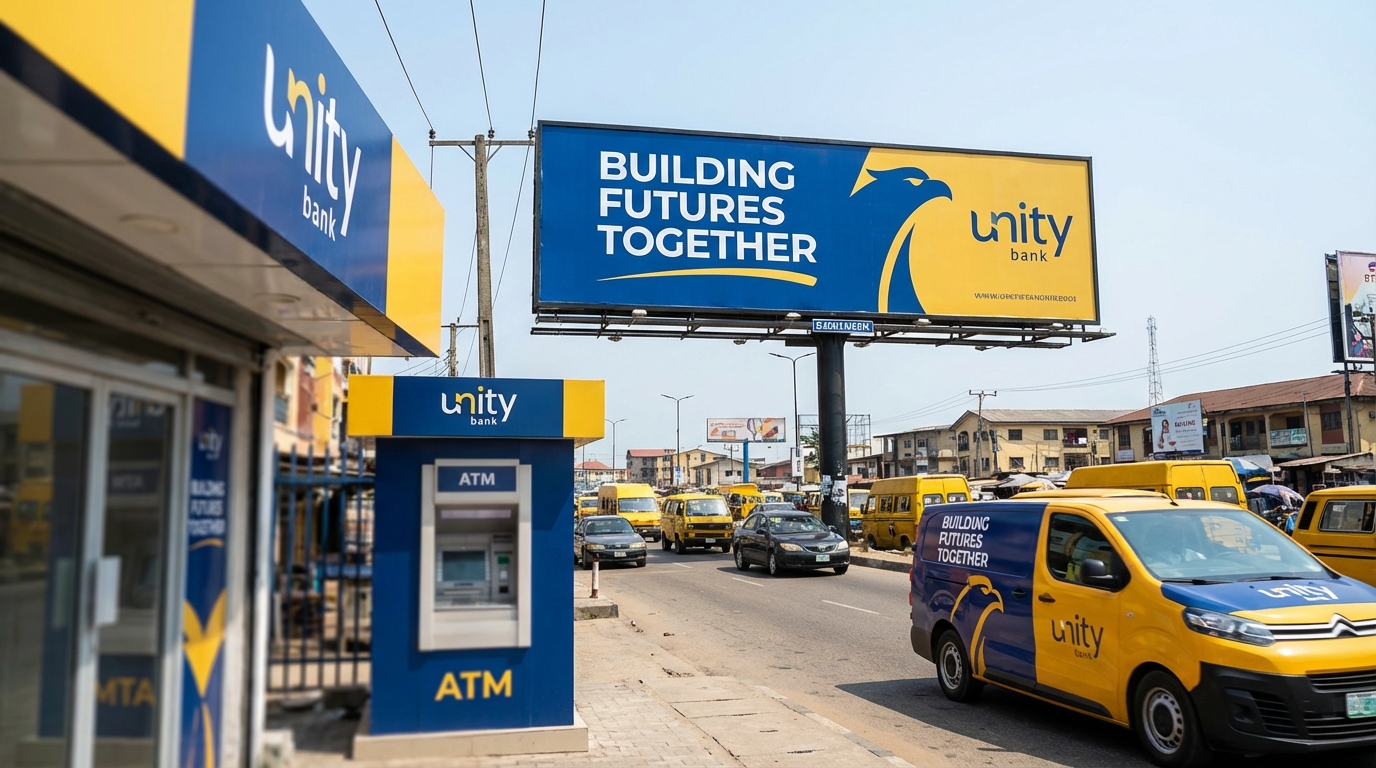
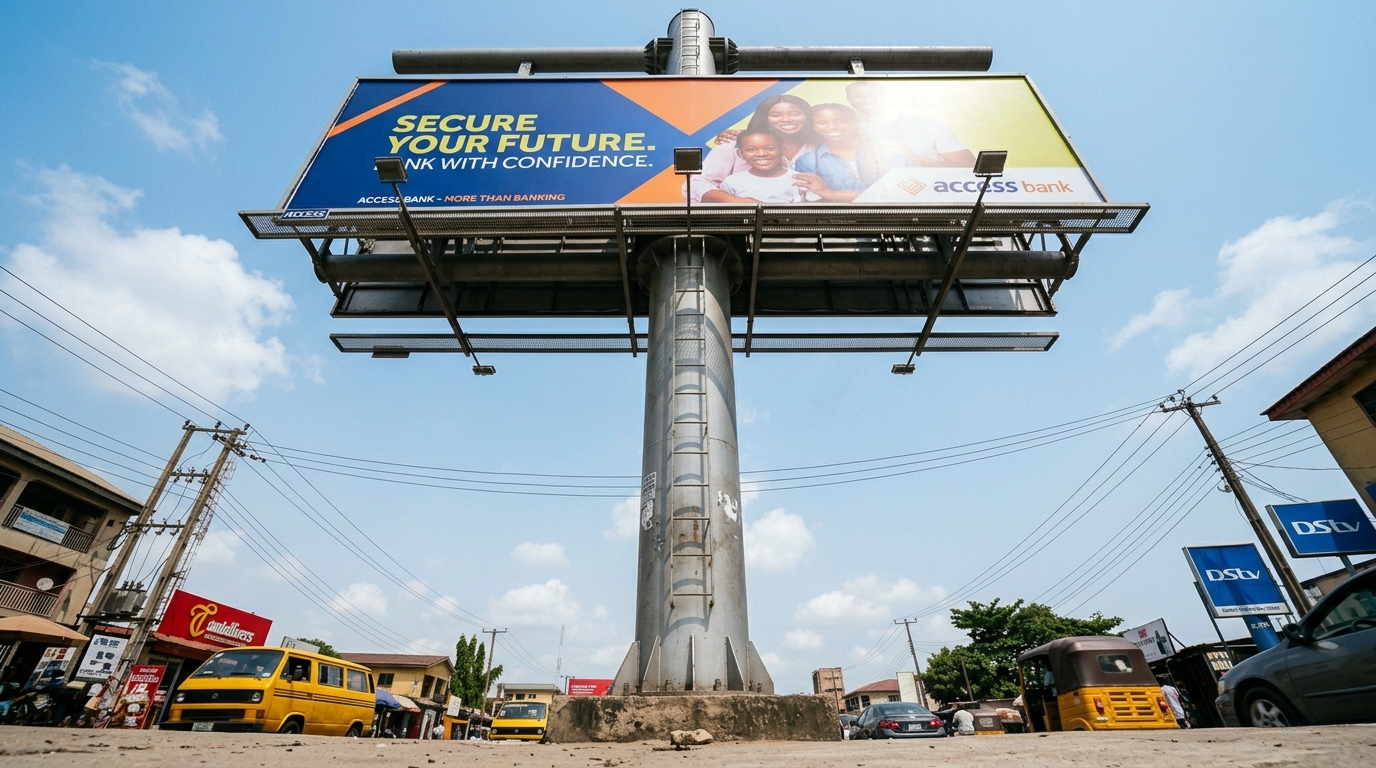
Roadside billboards are outdoor advertising structures located alongside major roads, expressways, and commuter routes. These boards are designed to capture the attention of people in moving vehicles and long‑distance commuters. Because they are placed in high‑speed traffic environments, the creative approach and placement strategy differ from those used in urban contexts.
Characteristics of Roadside Billboards
Roadside billboards typically appear:
- Along highways and expressways
- On major feeder roads into cities
- On approaches to bridges, intersections, and toll plazas
These displays are commonly large format, such as 48‑sheet billboards (about 6 meters by 3 meters), which are visible from long distances and effective at capturing attention at highway speeds.
Audience and Exposure Patterns
Roadside billboards target drivers, passengers, and long‑distance commuters. Traffic congestion in Nigerian cities like Lagos often means that vehicles move slowly or sit in traffic jams for extended periods of time. This slow movement effectively increases the exposure time and the number of impressions a billboard generates.
For example, expressways like the Lekki‑Epe Expressway, Third Mainland Bridge approaches, and major intercity routes see hundreds of thousands of vehicles daily, creating a captive audience for billboards along these routes.
This exposure pattern makes roadside billboards especially useful for campaigns focused on wide reach and repeated visibility. The same commuter sees the billboard daily, which reinforces brand recall.
Creative Requirements for Roadside Boards
Because drivers and passengers have only a few seconds to view a billboard, roadside creative must be:
- Simple and easy to understand at a glance
- Bold and visually striking with large fonts
- Focused on one clear message
- Designed with high contrast so it is legible from a distance
Complex imagery or long copy is ineffective in this context because viewers do not have time to read detailed text.
Common Uses for Roadside Billboards
Advertisers use roadside billboards for:
- Product launches that need broad awareness
- Nation‑wide campaigns targeting large populations
- Reinforcing larger media campaigns
- Supporting retail distribution or service access
Because roadside boards reach people on the go, they are ideal for influence marketing rather than direct call‑to‑action campaigns.
What Are Urban Billboards?
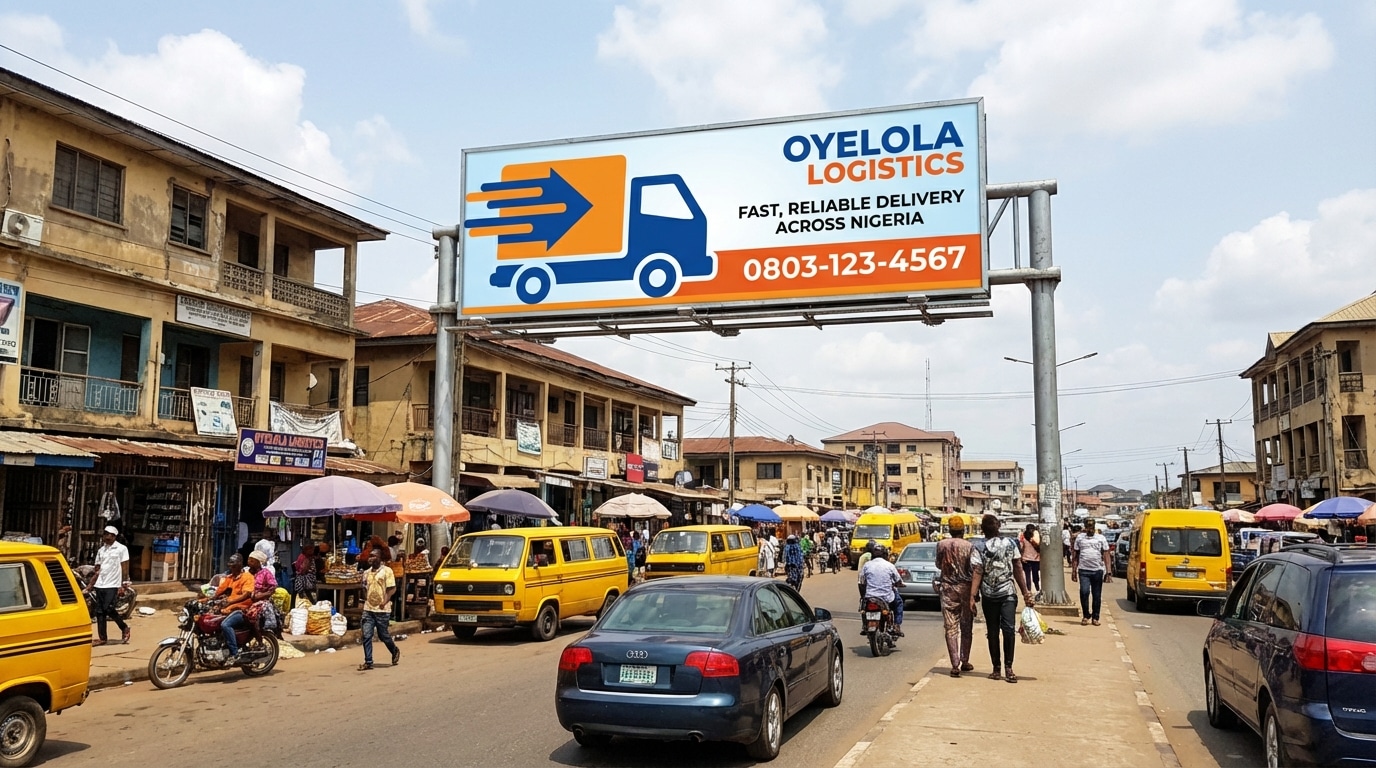
Urban billboards are located within cities and towns, typically in business districts, residential areas, near shopping centers, and close to transit hubs. These boards are designed to capture attention in areas with slower vehicle and pedestrian traffic.
Characteristics of Urban Billboards
Urban billboards appear:
- Along city streets with heavy foot and vehicle traffic
- In commercial zones near shopping malls or transit terminals
- On building facades or elevated structures in densely populated areas
Urban billboards may be smaller than roadside billboards, but they are placed where people spend more time moving slowly or stopping at lights and intersections.
Audience and Engagement Patterns
Urban billboards engage a broader mix of pedestrians and vehicles. People walking or waiting at intersections have more time to absorb creative content compared with drivers on high‑speed roads. This means urban placements often support slightly more detailed messaging while still prioritizing clarity and brevity.
When audiences encounter a billboard multiple times on their daily commute, brand messages become more familiar and integrated into their daily routines.
Creative Requirements for Urban Boards
Creative for urban placements can take advantage of the slower pace. Effective designs for urban boards:
- Use slightly richer visuals while maintaining clarity
- Include calls to action that may direct people to nearby stores or online venues
- Consider placement context, such as malls or marketplaces, to align messaging with local behavior
Urban boards also often include digital LED screens, which allow motion content and scheduled messaging that changes throughout the day.
Common Uses for Urban Billboards
Urban billboards are used for:
- Local promotions tied to businesses, events, or retail offers
- Targeted campaigns for city residents
- Brand visibility in walkable urban districts
- Reinforcing online campaigns with offline presence
Because these boards are closer to points of purchase and daily activity, they can be particularly effective at supporting local sales initiatives.
Key Differences Between Roadside and Urban Billboards
Understanding the distinction between roadside and urban billboards helps advertisers select the right placement based on campaign goals, audience behavior, and budget.
Audience Reach and Exposure Time
Roadside billboards are designed for mass reach. They maximize impressions by capturing attention from:
- Drivers traveling long distances
- High commuter traffic
- Intercity travellers
Urban billboards engage both vehicle and pedestrian traffic, with exposure patterns that vary based on foot traffic, intersections, and proximity to commercial areas.
The key difference is exposure time. Roadside audiences may only get a few seconds of visibility, while urban audiences often have longer viewing times due to slower speeds or walking behavior.
Creative Messaging Differences
For roadside billboards, simple, single‑idea messaging is essential because viewers do not have time to engage with complex content. Urban boards allow slightly richer visuals and messaging due to slower motion and pedestrian proximity.
Cost Variations
Pricing for billboards in Nigeria reflects location, format, and demand:
- Static roadside boards in Lagos and other major cities typically range from about ₦1.5 million to ₦3 million for a 90‑day campaign.
- Digital billboards in prime corridors can cost much more, depending on screen size and location.
- Urban placements in busy commercial districts often cost less than premium roadside expressway locations, but costs vary widely depending on foot traffic and proximity to business districts.
Advertisers must also factor in production and regulatory approval costs, which can add several tens of thousands of naira to the total campaign expense.
Measurement and Engagement Tracking
Roadside billboards are traditionally harder to measure directly because they lack built‑in analytics. Urban digital billboards, however, can provide more interaction data since their content can be updated and analyzed based on impressions, rotation cycles, and dayparting (different content at different times).
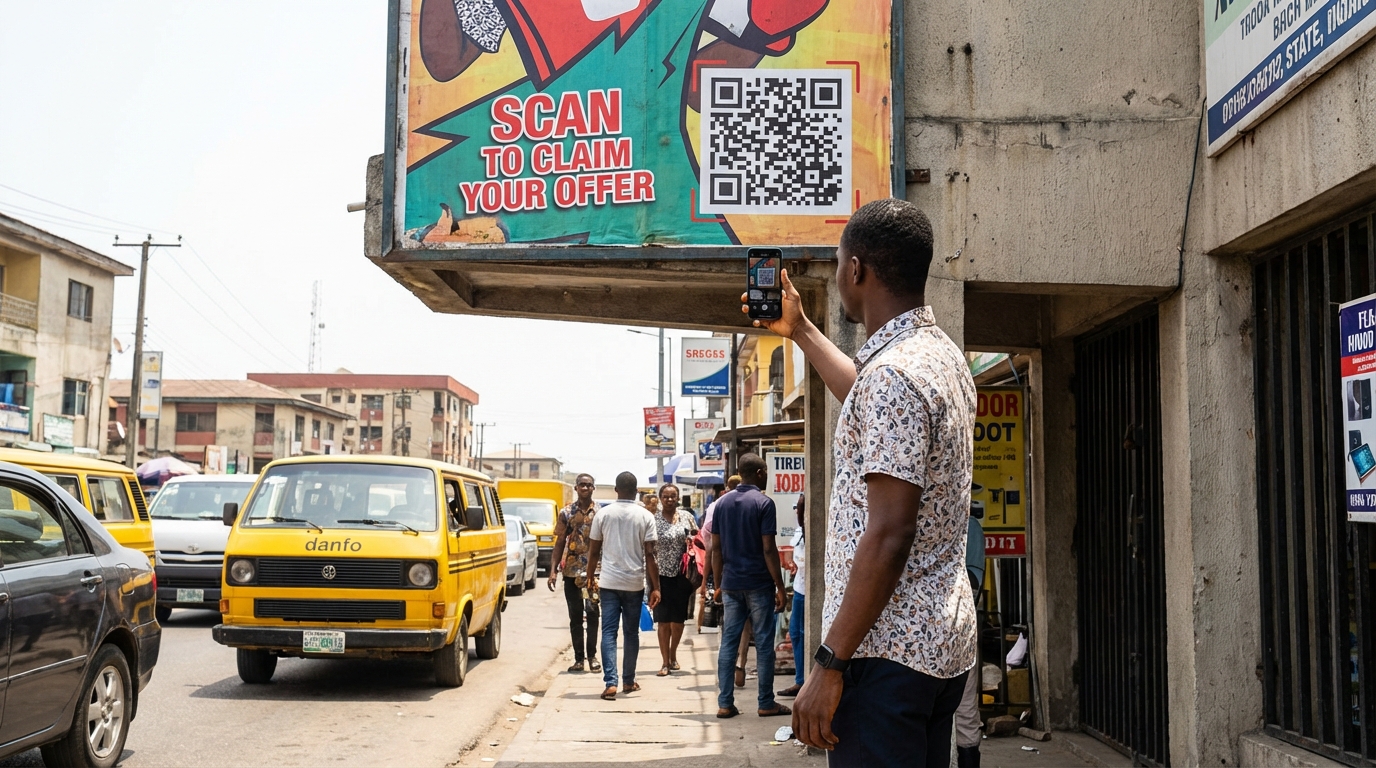
Branded short URLs and QR codes can help track engagement and connect offline exposure to online actions.
Choosing the Right Billboard Type
Selecting between roadside and urban billboards depends on campaign objectives.
When to Use Roadside Billboards
Choose roadside placement if your goal is:
- Mass reach and visibility across regions
- A unified brand message that needs repeat impressions
- Long-duration campaigns that build familiarity over time
Roadside placements work best for national or regional brand awareness rather than immediate call‑to‑action objectives.
When to Use Urban Billboards
Urban placements are more effective when your objective is:
- Localized engagement or store visits
- Supporting retail promotions with nearby physical presence
- Engaging audiences in dense commercial zones
- Reinforcing digital campaigns with physical visibility
Urban boards are also ideal for brands whose customers are city dwellers with regular commuting patterns.
Practical Tips for Nigerian Advertisers
To make the most of billboard advertising in Nigeria:
- Define Your Audience: Know who you want to reach and where they travel.
- Analyze Traffic Patterns: High‑volume locations yield more impressions but also command higher costs.
- Keep Messaging Clear: Use bold fonts and simple messages for roadside boards.
- Test Creative Options: Urban boards allow for testing different visuals or messaging sequences.
Advertisers often allocate a portion of their budget to both roadside and urban placements to balance reach with engagement. Combining both can maximize visibility and influence across multiple audience segments.
Conclusion
Billboards remain a foundational element of out‑of‑home advertising in Nigeria because they reach audiences where they live, work, and travel. Roadside billboards dominate highways and expressways, targeting commuters and drivers with broad reach and repeat exposure. Urban billboards are embedded in city life, engaging pedestrians and local consumers with clear, context‑sensitive messaging.
Understanding the differences between these two placement types empowers advertisers to make strategic decisions that align with their marketing goals, budget, and audience behavior. By choosing the right mix of roadside and urban boards, you can build campaigns that deliver strong visibility, reinforce brand presence, and contribute to long‑term awareness in Nigeria’s dynamic advertising industry.
Recommended Reading:
What is Billboard Advertising in Nigeria?
Common Billboard Advertising Mistakes to Avoid in Nigeria
Types of Billboard Advertising in Nigeria And Their Use Cases
How First-Time Advertisers Use Billboards in Nigeria